


Wydawcy
Katalog tematyczny
- Archeologia (109)
- Ekonomia, finanse, business (13704)
- Filozofia (1445)
- Historia (3040)
- Języki i językoznawstwo (2356)
- Lifestyle, hobby i rozrywka (475)
- Medycyna (9704)
- Nauki humanistyczne (4)
- Nauki o Ziemi i środowisku (2638)
- Nauki ścisłe (20412)
- Nauki społeczne (8486)
- Nauki techniczne (13450)
- Prawo (1696)
- Publikacje informacyjne i interdyscyplinarne (1288)
- Religia i wierzenia (917)
- Technika komputerowa (4067)
- Bazy danych (75)
- Bezpieczeństwo komputerowe (454)
- Certyfikacja komputerowa (1)
- Grafika i media cyfrowe (32)
- Informatyka (779)
- Komputery, ogólnie (74)
- Programowanie (351)
- Programy komercyjne (49)
- Sieci komputerowe (350)
- Sprzęt komputerowy (4)
- Systemy operacyjne (32)
- Technika cyfrowa na co dzień (7)
- Zdrowie, relacje międzyludzkie i rozwój osobisty (657)





Informacje szczegółowe o książce
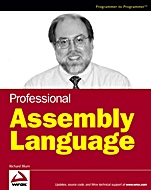
Professional Assembly Language
ISBN 9780764579011
Autor: Richard Blum
Wydawca: Wiley
Dostępność: 3-6 tygodni
Cena: 192,15 zł
Przed złożeniem zamówienia prosimy o kontakt mailowy celem potwierdzenia ceny.
ISBN13: |
9780764579011 |
ISBN10: |
0764579010 |
Autor: |
Richard Blum |
Oprawa: |
Paperback |
Rok Wydania: |
2005-02-11 |
Ilość stron: |
576 |
Wymiary: |
235x187 |
Tematy: |
UP |
Professional Assembly Language
Every high level language program (such as C and C++) is converted by a compiler into assembly language before it is linked into an executable program. This book shows you how to view the assembly language code generated by the compiler and understand how it is created. With that knowledge you can tweak the assembly language code generated by the compiler or create your own assembly language routines.
This code–intensive guide is divided into three sections — basics of the assembly language program development environment, assembly language programming, and advanced assembly language techniques. It shows how to decipher the compiler–generated assembly language code, and how to make functions in your programs faster and more efficient to increase the performance of an application.
What you will learn from this book:The benefits of examining the assembly language code generated from your high–level language programHow to create stand–alone assembly language programs for the Linux Pentium environmentWays to incorporate advanced functions and libraries in assembly language programsHow to incorporate assembly language routines in your C and C++ applicationsWays to use Linux system calls in your assembly language programsHow to utilize Pentium MMX and SSE functions in your applications
Spis treści:
Acknowledgments.
Contents.
Introduction.
Chapter 1: What Is Assembly Language?
Chapter 2: The IA–32 Platform.
Chapter 3: The Tools of the Trade.
Chapter 4: A Sample Assembly Language Program.
Chapter 5: Moving Data.
Chapter 6: Controlling Execution Flow.
Chapter 7: Using Numbers.
Chapter 8: Basic Math Functions.
Chapter 9: Advanced Math Functions.
Chapter 10: Working with Strings.
Chapter 11: Using Functions.
Chapter 12: Using Linux System Calls.
Chapter 13: Using Inline Asse
mbly.
Chapter 14: Calling Assembly Libraries.
Chapter 15: Optimizing Routines.
Chapter 16: Using Files.
Chapter 17: Using Advanced IA–32 Features.
Index.
Nota biograficzna:
Richard Blum has worked for a large U.S. government organization for more than 15 years. During that time, he has had the opportunity to program utilities in various programming languages: C, C++, Java, and Microsoft VB.NET and C#. With this experience, Rich has often found the benefit of reviewing assembly language code generated by compilers and utilizing assembly language routines to speed up higher–level language programs.
Rich has a bachelor of science degree in electrical engineering from Purdue University, where he worked on many assembly language projects. (Of course, this was back in the eight–bit processor days.) He also has a master of science degree in management from Purdue University, specializing in Management Information Systems.
Okładka tylna:
Professional Assembly Language
Every high level language program (such as C and C++) is converted by a compiler into assembly language before it is linked into an executable program. This book shows you how to view the assembly language code generated by the compiler and understand how it is created. With that knowledge you can tweak the assembly language code generated by the compiler or create your own assembly language routines.
This code–intensive guide is divided into three sections — basics of the assembly language program development environment, assembly language programming, and advanced assembly language techniques. It shows how to decipher the compiler–generated assembly language code, and how to make functions in your programs faster and more efficient to increase the performance of an application.
What you will learn from this book:The benefits of examining the assembly language code generated from your high̵
1;level language programHow to create stand–alone assembly language programs for the Linux Pentium environmentWays to incorporate advanced functions and libraries in assembly language programsHow to incorporate assembly language routines in your C and C++ applicationsWays to use Linux system calls in your assembly language programsHow to utilize Pentium MMX and SSE functions in your applications
Koszyk
Książek w koszyku: 0 szt.
Wartość zakupów: 0,00 zł
Informacje


Kontakt
Gambit
Centrum Oprogramowania
i Szkoleń Sp. z o.o.
Al. Pokoju 29b/22-24
31-564 Kraków
Siedziba Księgarni
ul. Kordylewskiego 1
31-542 Kraków
+48 12 410 5991
+48 12 410 5987
+48 12 410 5989
Subskrypcje
Administratorem danych osobowych jest firma Gambit COiS Sp. z o.o. Na podany adres będzie wysyłany wyłącznie biuletyn informacyjny.
Autoryzacja płatności

Informacje na temat autoryzacji płatności poprzez PayU.

© Copyright 2012: GAMBIT COiS Sp. z o.o. Wszelkie prawa zastrzeżone.
Projekt i wykonanie: Alchemia Studio Reklamy