


Wydawcy
Katalog tematyczny
- Archeologia (109)
- Ekonomia, finanse, business (13704)
- Filozofia (1445)
- Historia (3040)
- Języki i językoznawstwo (2356)
- Lifestyle, hobby i rozrywka (475)
- Medycyna (9704)
- Nauki humanistyczne (4)
- Nauki o Ziemi i środowisku (2638)
- Nauki ścisłe (20412)
- Nauki społeczne (8486)
- Nauki techniczne (13450)
- Prawo (1696)
- Publikacje informacyjne i interdyscyplinarne (1288)
- Religia i wierzenia (917)
- Technika komputerowa (4067)
- Bazy danych (75)
- Bezpieczeństwo komputerowe (454)
- Certyfikacja komputerowa (1)
- Grafika i media cyfrowe (32)
- Informatyka (779)
- Komputery, ogólnie (74)
- Programowanie (351)
- Programy komercyjne (49)
- Sieci komputerowe (350)
- Sprzęt komputerowy (4)
- Systemy operacyjne (32)
- Technika cyfrowa na co dzień (7)
- Zdrowie, relacje międzyludzkie i rozwój osobisty (657)





Informacje szczegółowe o książce
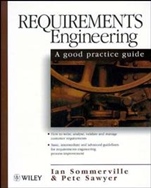
Requirements Engineering: A Good Practice Guide
ISBN 9780471974444
Autor: Ian Sommerville, Pete Sawyer
Wydawca: Wiley
Dostępność: 3-6 tygodni
Cena: 346,50 zł
Przed złożeniem zamówienia prosimy o kontakt mailowy celem potwierdzenia ceny.
ISBN13: |
9780471974444 |
ISBN10: |
0471974447 |
Autor: |
Ian Sommerville, Pete Sawyer |
Oprawa: |
Paperback |
Rok Wydania: |
1997-03-19 |
Ilość stron: |
404 |
Wymiary: |
235x191 |
Tematy: |
UP |
"A marvellous book.a unique focus on what practising engineers need to do." Watts Humphrey, Software Engineering Institute, USA Requirements Engineering A good practice guide Find more RE resources at this web support site http://www.comp.lancs.ac.uk/computing/resources/re–gpg/ Visit our Web page! http://www.wiley.com/ compbooks/ Requirements engineering is the process of discovering, documenting and managing the requirements for a computer–based system. The goal of requirements engineering is to produce a set of system requirements which, as far as possible, is complete, consistent, relevant and reflects what the customer actually wants. Although this ideal is probably unattainable, the use of a systematic approach based on engineering principles leads to better requirements than the informal approach which is still commonly used. This book presents a set of guidelines which reflect the best practice in requirements engineering. Based on the authors′ experience in research and in software and systems development, these guidelines explain in an easy–to–understand way how you can improve your requirements engineering processes. The guidelines are applicable for any type of application and, in general, apply to both systems and software engineering. The guidelines here range from simple ′common sense′ to those which propose the introduction of complex new methods. The guidelines and process improvement schemes have been organised so that you can pick and choose according to your problems, goals and available budget. There are few dependencies between guidelines so you can introduce them in any order in your organisation. Guidelines presented in the book
∗ are consistent with ISO 9000 and CMM
∗ are ranked with cost/benefit analysis
∗ give implementation advice
∗ can be combined and applied to suit your organisation′s needs
∗ are supported by a web page pointing to RE tools and
resources
Spis treści:
Practical Process Improvement.
The Requirements Document.
Requirements Elicitation.
Requirements Analysis and Negotiation.
Describing Requirements.
System Modelling.
Requirements Validation.
Requirements Management.
Requirements Engineering for Critical Systems.
System Modelling with Structured Methods.
Formal Specification.
Viewpoints.
Index.
Okładka tylna:
"A marvellous book.a unique focus on what practising engineers need to do." Watts Humphrey, Software Engineering Institute, USA Requirements Engineering A good practice guide Find more RE resources at this web support site http://www.comp.lancs.ac.uk/computing/resources/re–gpg/ Visit our Web page! http://www.wiley.com/ compbooks/ Requirements engineering is the process of discovering, documenting and managing the requirements for a computer–based system. The goal of requirements engineering is to produce a set of system requirements which, as far as possible, is complete, consistent, relevant and reflects what the customer actually wants. Although this ideal is probably unattainable, the use of a systematic approach based on engineering principles leads to better requirements than the informal approach which is still commonly used. This book presents a set of guidelines which reflect the best practice in requirements engineering. Based on the authors′ experience in research and in software and systems development, these guidelines explain in an easy–to–understand way how you can improve your requirements engineering processes. The guidelines are applicable for any type of application and, in general, apply to both systems and software engineering. The guidelines here range from simple ′common sense′ to those which propose the introduction of complex new methods. The guidelines and process improvement schemes have been organised so that you can pick and choose accordin
g to your problems, goals and available budget. There are few dependencies between guidelines so you can introduce them in any order in your organisation. Guidelines presented in the book
∗ are consistent with ISO 9000 and CMM
∗ are ranked with cost/benefit analysis
∗ give implementation advice
∗ can be combined and applied to suit your organisation′s needs
∗ are supported by a web page pointing to RE tools and resources
Koszyk
Książek w koszyku: 0 szt.
Wartość zakupów: 0,00 zł
Informacje


Kontakt
Gambit
Centrum Oprogramowania
i Szkoleń Sp. z o.o.
Al. Pokoju 29b/22-24
31-564 Kraków
Siedziba Księgarni
ul. Kordylewskiego 1
31-542 Kraków
+48 12 410 5991
+48 12 410 5987
+48 12 410 5989
Subskrypcje
Administratorem danych osobowych jest firma Gambit COiS Sp. z o.o. Na podany adres będzie wysyłany wyłącznie biuletyn informacyjny.
Autoryzacja płatności

Informacje na temat autoryzacji płatności poprzez PayU.

© Copyright 2012: GAMBIT COiS Sp. z o.o. Wszelkie prawa zastrzeżone.
Projekt i wykonanie: Alchemia Studio Reklamy