


Wydawcy
Katalog tematyczny
- Archeologia (109)
- Ekonomia, finanse, business (13704)
- Filozofia (1445)
- Historia (3040)
- Języki i językoznawstwo (2356)
- Lifestyle, hobby i rozrywka (475)
- Medycyna (9704)
- Nauki humanistyczne (4)
- Nauki o Ziemi i środowisku (2638)
- Nauki ścisłe (20412)
- Nauki społeczne (8486)
- Nauki techniczne (13450)
- Prawo (1696)
- Publikacje informacyjne i interdyscyplinarne (1288)
- Religia i wierzenia (917)
- Technika komputerowa (4067)
- Bazy danych (75)
- Bezpieczeństwo komputerowe (454)
- Certyfikacja komputerowa (1)
- Grafika i media cyfrowe (32)
- Informatyka (779)
- Komputery, ogólnie (74)
- Programowanie (351)
- Programy komercyjne (49)
- Sieci komputerowe (350)
- Sprzęt komputerowy (4)
- Systemy operacyjne (32)
- Technika cyfrowa na co dzień (7)
- Zdrowie, relacje międzyludzkie i rozwój osobisty (657)





Informacje szczegółowe o książce
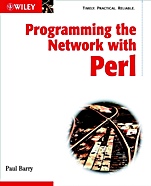
Programming the Network with Perl
ISBN 9780471486701
Autor: Paul Barry
Wydawca: Wiley
Dostępność: 3-6 tygodni
Cena: 233,10 zł
Przed złożeniem zamówienia prosimy o kontakt mailowy celem potwierdzenia ceny.
ISBN13: |
9780471486701 |
ISBN10: |
0471486701 |
Autor: |
Paul Barry |
Oprawa: |
Paperback |
Rok Wydania: |
2002-02-26 |
Ilość stron: |
394 |
Wymiary: |
234x191 |
Tematy: |
UP |
It is no longer enough for today′s software engineers to be able to program the computer and debug programs – the modern programmer needs to know how to program the network and debug communications. This book shows you how, using Perl.
Originally created as a tool for System Administrators, the Perl Programming languauge has matured into a powerful, yet easy–to–use, general–purpose programming language. Widely used on the Internet, Perl is the programming language of choice when it comes to adding dynamic content to websites using the Common Gateway Interface (CGI). Its strengths – simplicity, power and adaptability – make it an excellent vehicle with which to study computer networking and to program computer networks in general.
In Programming the Network with Perl, Paul Barry applies Perl to the study of tradiitonal computer networking topics. After an introductory tutorial to the Perl programming language appropriate for the non–Perl programmer, five key computer networking topics are examined from the perspective of the software engineer using Perl.
∗ Snooping details the creation of a successively more functional set of Ethernet Network Analaysers and cumulates in the development of The Network Debugger, a tool for monitoring the traffic generated by both standard and custom–built networked applications.
∗ Sockets details how to use Perl to create custom networked applications by programming the TCP/IP transport protocols (TCP and UDP), using the Client/Server Model and the standard Berkeley Socket API.
∗ Protocols details just how easy it is to program the HTTP (web), SMTP (e–mail), NNTP (news) and TELNET (remote login) protocols with Perl. HTML parsing is also described.
∗ Management uses Perl to program the Simple Network Management Protocol (SNMP), the cornerstone network management technology on the modern Internet.
∗ Mobile Agents is a presentat
ion of one of the technologies that can be added to Perl to provide for the development of custom networked applications that can transport themselves from network device to network device while executing.
Each chapter concludes with a set of Print and Web Resources, as well as suggested Exercises to support further study by the reader.
The associated website provides Perl links, downloadable source code, presentation materials (in PDF format), and instructions for joining the pertnetbook discussion mailing list.
Spis treści:
1. Meet Perl
Perl′s Default Behaviour
Using Variables in Perl
Controlling Flow
Boolean in Perl
Perl Operators
Subroutines
Perl I/O
Packages, Modules and Objects
More Perl
Where to From Here?
Print Resources
Web Resources
2. Snooping
Thank You, Tim Potter
Preparing to Snoop
Building Low–Level Snooping Tools
Snooping IP Datagrams
Transport Snoopers
The Network Debugger
Where to From Here?
Print Resources
Web Resources
3. Sockets
Clients and Servers
Transport Services
Introducing the Perl Socket API
Socket Support Subroutines
Simple UDP Clients and Servers
Genericity and Robustness
UDP is Unreliable
Sending and Receiving with UDP
Dealing with Deadlock
TCP Clients and Servers
A Common TCP Gotcha
More TCP Socket Communication
The Concurrent Syntax Checker
Object–Oriented Sockets
Where to From Here?
Print Resources
Web Resources
4. Protocols
Gotcha!
Working with the Web
The World′s Worst Web Browser
HTTP Status Codes
It′s the Gisle and Graham Show!
The Library for WWW Access in Perl
The LWPwwwb Program
Doing More with LWPwwwb
Building a Custom Web Server
The libnet Library
Email Enabling simplehttpd
Other Networking Add–on Modules
Where to From Here?
Print Resources
Web Resources
5. Management
Simple Management with
ICMP
Doing the Ping Thing
Doing the Net: Ping Thing
Tracing Routes
Not So Simple Management with SNMP
The SNMP Management Framework
Managed Data
The SNMP Protocol
The Net: SNMP Module
Working with Net: SNMP
What′s Up?
Setting MIB–II Data
IP Router Mapping
Where to From Here?
Print Resources
Web Resources
6. Mobile Agents
What is a Mobile Agent?
Mobile–Agent Examples
Mobile–Agent Advantages/Disavantages
Perl Agents
The Agent.pm Module
Ooooh, Objects!
The Default Mobile Agent
A Launching Mobile–Agent Environment
A One–Shot Location
Relocating to Multiple Locations
The Mobile–Agent multiwho
The Mobile–Agent ipdetermine
The Cloning Mobile–Agent ipdetermine
Other Perl Agent Examples
Where to From Here?
Print Resources
Web Resources
Appendices
Index
Okładka tylna:
It is no longer enough for today′s software engineers to be able to program the computer and debug programs – the modern programmer needs to know how to program the network and debug communications. This book shows you how, using Perl.
Originally created as a tool for System Administrators, the Perl Programming languauge has matured into a powerful, yet easy–to–use, general–purpose programming language. Widely used on the Internet, Perl is the programming language of choice when it comes to adding dynamic content to websites using the Common Gateway Interface (CGI). Its strengths – simplicity, power and adaptability – make it an excellent vehicle with which to study computer networking and to program computer networks in general.
In Programming the Network with Perl, Paul Barry applies Perl to the study of tradiitonal computer networking topics. After an introductory tutorial to the Perl programming language appropriate for the non–Perl programmer, five key computer networking to
pics are examined from the perspective of the software engineer using Perl.
∗ Snooping details the creation of a successively more functional set of Ethernet Network Analaysers and cumulates in the development of The Network Debugger, a tool for monitoring the traffic generated by both standard and custom–built networked applications.
∗ Sockets details how to use Perl to create custom networked applications by programming the TCP/IP transport protocols (TCP and UDP), using the Client/Server Model and the standard Berkeley Socket API.
∗ Protocols details just how easy it is to program the HTTP (web), SMTP (e–mail), NNTP (news) and TELNET (remote login) protocols with Perl. HTML parsing is also described.
∗ Management uses Perl to program the Simple Network Management Protocol (SNMP), the cornerstone network management technology on the modern Internet.
∗ Mobile Agents is a presentation of one of the technologies that can be added to Perl to provide for the development of custom networked applications that can transport themselves from network device to network device while executing.
Each chapter concludes with a set of Print and Web Resources, as well as suggested Exercises to support further study by the reader.
The associated website provides Perl links, downloadable source code, presentation materials (in PDF format), and instructions for joining the pertnetbook discussion mailing list.
Koszyk
Książek w koszyku: 0 szt.
Wartość zakupów: 0,00 zł
Informacje


Kontakt
Gambit
Centrum Oprogramowania
i Szkoleń Sp. z o.o.
Al. Pokoju 29b/22-24
31-564 Kraków
Siedziba Księgarni
ul. Kordylewskiego 1
31-542 Kraków
+48 12 410 5991
+48 12 410 5987
+48 12 410 5989
Subskrypcje
Administratorem danych osobowych jest firma Gambit COiS Sp. z o.o. Na podany adres będzie wysyłany wyłącznie biuletyn informacyjny.
Autoryzacja płatności

Informacje na temat autoryzacji płatności poprzez PayU.

© Copyright 2012: GAMBIT COiS Sp. z o.o. Wszelkie prawa zastrzeżone.
Projekt i wykonanie: Alchemia Studio Reklamy