


Wydawcy
Katalog tematyczny
- Archeologia (109)
- Ekonomia, finanse, business (13704)
- Filozofia (1445)
- Historia (3040)
- Języki i językoznawstwo (2356)
- Lifestyle, hobby i rozrywka (475)
- Medycyna (9704)
- Chirurgia (272)
- Inne gałęzie medycyny (1871)
- Medycyna kliniczna (4187)
- Choroby wewnętrzne (514)
- Dermatologia (51)
- Diagnostyka medyczna (3)
- Endokrynologia (144)
- Gastroenterologia (27)
- Geriatria (50)
- Ginekologia i położnictwo (134)
- Hematologia (46)
- Hepatologia (10)
- Kardiologia (71)
- Laryngologia (12)
- Nefrologia (10)
- Neurologia (500)
- Oftalmologia (50)
- Pediatria (33)
- Pulmunologia (32)
- Reumatologia (14)
- Terapia genowa (1)
- Układ mięśniowo-szkieletowy (1)
- Urologia (14)
- Medycyna niekonwencjonalna (14)
- Medycyna przedkliniczna (269)
- Medycyna, ogólnie (1740)
- Medyczne służby pomocnicze (745)
- Studia medyczne (16)
- Weterynaria (548)
- Nauki humanistyczne (4)
- Nauki o Ziemi i środowisku (2638)
- Nauki ścisłe (20412)
- Nauki społeczne (8486)
- Nauki techniczne (13450)
- Prawo (1696)
- Publikacje informacyjne i interdyscyplinarne (1288)
- Religia i wierzenia (917)
- Technika komputerowa (4067)
- Zdrowie, relacje międzyludzkie i rozwój osobisty (657)





Informacje szczegółowe o książce
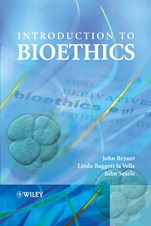
Introduction to Bioethics
ISBN 9780470021989
Autor: John A. Bryant, Linda Baggott la Velle, John F. Searle
Wydawca: Wiley
Dostępność: 3-6 tygodni
Cena: 270,90 zł
Przed złożeniem zamówienia prosimy o kontakt mailowy celem potwierdzenia ceny.
ISBN13: |
9780470021989 |
ISBN10: |
0470021985 |
Autor: |
John A. Bryant, Linda Baggott la Velle, John F. Searle |
Oprawa: |
Paperback |
Rok Wydania: |
2005-07-28 |
Ilość stron: |
250 |
Wymiary: |
244x169 |
Tematy: |
MJ |
Introduction to Bioethics provides a very comprehensive and yet concise coverage of the broad field of bioethics, dealing with the scientific, medical, social, religious and, where appropriate, political and international concerns. The book introduces the various modes of ethical thinking and then helps the reader to apply that thinking to issues relating to the environment, to plants and animals and to humans
Written in an accessible manner, Introduction to Bioethics focuses on key issues directly relevant to those studying courses ranging from medicine through to biology and agriculture. Ethical analysis is threaded throughout each chapter and supplementary examples are included to stimulate further thought. In addition there are numerous mini–case studies to aid understanding, together with key references and further reading.A concise introduction covering the whole field of bioethicsEthical analysis included throughout.Mini case–studies in each chapter place ethics into specific contexts
Written by three professional practitioners Introduction to Bioethics will be an invaluable tool for students, researchers, lecturers and teachers in biological, medical and veterinary sciences, agriculture, food science and related disciplines.
Spis treści:
Table of contents.
Preface.
Chapter 1 Science and Society.
1.1 What′s it all about?
1.2 What is science?
1.3 Modern science.
1.4 Science, ethics and values.
1.5 Attitudes to Science.
Chapter 2 Ethics and Bioethics
2.1 Introduction.
2.2 What is ethics?
2.3 The development of ethics.
2.4 The growth of bioethics.
2.5 Ethics in the 21st century.
2.6 Making ethical decisions.
Chapter 3 Humans and the Natural World.
3.1 Introduction.
3.2 What′s the problem?
3.3 Valuing the environment.
3.4
The place of humans in nature.
3.5 Some thoughts on stewardship.
3.6 Two current themes in environmental ethics.
3.7 Three current issues in environmental ethics.
3.8 Concluding remarks.
Chapter 4 Humans and Non–human Animals.
4.1 Introduction.
4.2 Humankind′s place in the animal kingdom.
4.3 Human use of animals.
4.4 The ethics of animal research.
4.5 Animals in sport, companionship, leisure and fashion.
4.6 Animals for food.
4.7 Conclusion.
Chapter 5 Biotechnology and Bioethics.
5.1 Introduction.
5.2 General ethical issues related to genetic modification.
5.3 Nano–technology.
5.4 Cybernetics.
Chapter 6 Applications of Genetic Modification.
6.1 Pharmaceuticals.
6.2 Food and crops.
6.3 Genetic modification of animals.
6.4 Research uses of genetic modification.
Chapter 7 Human Genes and the Human Genome Project.
7.1 Some history.
7.2 Molecular genetics and the human genome project.
7.3 Some thoughts on eugenics.
7.4 Use of human genetic information.
7.5 Genetic modification of humans – fact or fiction?
Chapter 8 Genes – the Wider Issues.
8.1 Introduction.
8.2 Crop GM technology, world trade and global justice.
8.3 Gene patenting.
8.4 Genetic piracy.
Chapter 9 Cloning and Stem Cells
9.1 Introduction.
9.2 Frogs and sheep.
9.3 Genes and clones.
9.4 It’s not natural – it should be banned!
9.5 The ethics of human cloning – an overview.
9.6 Unlocking the genetic potential of stem cells.
Chapter 10 The New Reproductive Technologies.
10.1 I
ntroduction.
10.2 Gametes outside the body.
10.3 Techniques of assisted reproductive medicine.
10.4 Designer babies.
10.5 Men and women – do we need both?
10.7 Conclusion.
Chapter 11 Embryos, Foetuses and Abortion: Issues of Life Before Birth.
11.1 Introduction.
11.2 The early human embryo.
11.3 Embryo research.
11.4 Abortion.
Chapter 12 Decisions at the End of Life – When May I Die and When Am I Dead?
12.1 Introduction – two important examples.
12.2 How did we get here?
12.3 What is euthanasia?
12.4 The arguments for voluntary euthanasia.
12.5 The arguments against voluntary euthanasia.
12.6 When should medical treatment be withheld or withdrawn?
Chapter 13 A Code of Ethics for Biologists?
13.1 Introduction.
13.2 The wider responsibilities of a scientist.
13.3 Should there be an ethical code of practice for bioscientists?
Appendix A Code of Ethics for Bioscience.
Glossary.
Suggestions for Further Reading.
Index.
Okładka tylna:
Introduction to Bioethics provides a very comprehensive and yet concise coverage of the broad field of bioethics, dealing with the scientific, medical, social, religious and, where appropriate, political and international concerns. The book introduces the various modes of ethical thinking and then helps the reader to apply that thinking to issues relating to the environment, to plants and animals and to humans
Written in an accessible manner, Introduction to Bioethics focuses on key issues directly relevant to those studying courses ranging from medi
cine through to biology and agriculture. Ethical analysis is threaded throughout each chapter and supplementary examples are included to stimulate further thought. In addition there are numerous mini–case studies to aid understanding, together with key references and further reading.A concise introduction covering the whole field of bioethicsEthical analysis included throughout.Mini case–studies in each chapter place ethics into specific contexts
Written by three professional practitioners Introduction to Bioethics will be an invaluable tool for students, researchers, lecturers and teachers in biological, medical and veterinary sciences, agriculture, food science and related disciplines.
Koszyk
Książek w koszyku: 0 szt.
Wartość zakupów: 0,00 zł
Informacje


Kontakt
Gambit
Centrum Oprogramowania
i Szkoleń Sp. z o.o.
Al. Pokoju 29b/22-24
31-564 Kraków
Siedziba Księgarni
ul. Kordylewskiego 1
31-542 Kraków
+48 12 410 5991
+48 12 410 5987
+48 12 410 5989
Subskrypcje
Administratorem danych osobowych jest firma Gambit COiS Sp. z o.o. Na podany adres będzie wysyłany wyłącznie biuletyn informacyjny.
Autoryzacja płatności

Informacje na temat autoryzacji płatności poprzez PayU.

© Copyright 2012: GAMBIT COiS Sp. z o.o. Wszelkie prawa zastrzeżone.
Projekt i wykonanie: Alchemia Studio Reklamy