


Wydawcy
Katalog tematyczny
- Archeologia (109)
- Ekonomia, finanse, business (13704)
- Filozofia (1445)
- Historia (3040)
- Języki i językoznawstwo (2356)
- Lifestyle, hobby i rozrywka (475)
- Medycyna (9704)
- Nauki humanistyczne (4)
- Nauki o Ziemi i środowisku (2638)
- Nauki ścisłe (20412)
- Astronomia (294)
- Biologia (5119)
- Chemia (6540)
- Fizyka (3309)
- Elektryczność i magnetyzm (90)
- Fizyka atomowa i molekularna (110)
- Fizyka cząstek elementarnych (36)
- Fizyka jądra atomowego (36)
- Fizyka kwantowa (210)
- Fizyka matematyczna (121)
- Fizyka relatywistyczna (36)
- Fizyka statystyczna (51)
- Fizyka stosowana (498)
- Mechanika klasyczna (186)
- Optyka i światło (133)
- Stany materii (202)
- Matematyka (4574)
- Nauki ścisłe, ogólnie (503)
- Nauki społeczne (8486)
- Nauki techniczne (13450)
- Prawo (1696)
- Publikacje informacyjne i interdyscyplinarne (1288)
- Religia i wierzenia (917)
- Technika komputerowa (4067)
- Zdrowie, relacje międzyludzkie i rozwój osobisty (657)





Informacje szczegółowe o książce
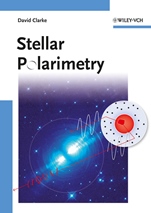
Stellar Polarimetry
ISBN 9783527408955
Autor: David Clarke
Wydawca: Wiley
Dostępność: 3-6 tygodni
Cena: 746,55 zł
Przed złożeniem zamówienia prosimy o kontakt mailowy celem potwierdzenia ceny.
ISBN13: |
9783527408955 |
ISBN10: |
3527408959 |
Autor: |
David Clarke |
Oprawa: |
Hardback |
Rok Wydania: |
2009-11-25 |
Ilość stron: |
431 |
Wymiary: |
243x177 |
Tematy: |
PH |
Written by an experienced teacher and author, this must–have source for work with polarimetric equipment and polarimetry in astronomy conveys the knowledge of the technology and techniques needed to measure and interpret polarizations. As such, this monograph offers a brief introduction and refresher, while also covering in detail statistics and data treatment as well as telescope optics.
For astronomers, physicists and those working in the optical industry.
Spis treści:
Preface.
Part I History – Mathematics – Instruments – Observational Procedures – Polarigenic Mechanisms.
1 Introduction and History.
1.1 General History.
1.2 Early Astronomical Polarimetry.
1.3 The Dawning of Stellar Polarimetry.
1.4 The Discovery of Interstellar Polarization.
1.5 Intrinsic Polarization.
1.6 Circular Polarization.
1.7 Polarization and Geometry.
1.8 Chirality and the Origin of Life.
1.9 Conclusion.
References.
2 The Polarization Ellipse.
2.1 Electromagnetic Waves.
2.2 The Ellipse Figure.
2.3 The Poincaré Sphere.
2.4 Conclusion.
References.
3 The Algebra of Polarization.
3.1 Introduction.
3.2 The Jones Calculus.
3.3 The Description of Scattering.
3.4 Poincaré Sphere.
3.5 Conclusion.
References.
4 The Stokes Parameters.
4.1 Introduction.
4.2 The Mueller Calculus.
4.3 Normalized Stokes Parameters.
4.4 The Practicality of Stokes Parameters.
4.5 Additivity Theorem for Small Polarizations.
4.6 Conventions in Astronomical Polarimetry.
4.7 Polarization Magnitudes.
References.
5 Polarization Statistics and Data Treatment.<
/i>
5.1 Introduction.
5.2 Basic Statistics.
5.3 The Statistics ofp.
5.4 The Statistics of Position Angle.
5.5 Instrumental Correction.
5.6 Intrinsic/Interstellar Separation.
5.7 Interpreting Measurements.
References.
6 The Basics of Polarimetric Elements.
6.1 Introduction.
6.2 Polarizers.
6.3 Retarders.
6.4 Metallic Reflection.
6.5 Depolarizers.
6.6 Detectors.
6.7 Notes on Polarization and Related Observations.
References.
7 Pre–measurement Distortions.
7.1 Introduction.
7.2 The Earth’s Atmosphere.
7.3 The Telescope Optics.
7.4 Optical Depolarization.
References.
8 Polarimetric Principles and Instruments.
8.1 Introduction.
8.2 Rotation of a Polarizer or Wave Plate.
8.3 Fixed Position Records.
8.4 Continuous Rotation Records.
8.5 Variable Phase Delay Modulators.
8.6 Simultaneous NSP Measurements.
8.7 Spatial Recording of the Polarimetric Modulation.
8.8 Spectropolarimetry.
8.9 Polarimetric Instruments.
8.10 Instrument Calibrations.
References.
9 Some Polarigenic Mechanisms.
9.1 Introduction.
9.2 The Presence of Magnetic Fields.
9.3 Electron Scattering – A Simple Stellar Model.
References.
Part II The Interstellar Medium – Binary Stars – Early and Late Type Stars – Variable Stars.
10 Interstellar Polarization.
10.1 Introduction 197.
10.2 Polarization Growth with Distance.
10.3 Polarization and Extinction.
10.4 The p(λ) Curve.
10.5 Rotation of Position Angle.
10.6 Circular Polarization.
10.7 Origin
and Alignment Mechanism.
10.8 DIBS.
10.9 Particle Types and Galactic Structure.
10.10 Stellar Clusters.
10.11 Simple Models.
10.12 Beyond the Galaxy.
References.
11 Binary Stars.
11.1 Introduction.
11.2 Eclipsing Binaries.
11.3 Close Binaries.
11.4 Binary Orbit Theory.
11.5 AMHer Stars – Polars.
References.
References to Binary Stars and Models.
References to AMHer Stars – Polars.
12 Stars With Magnetic Fields.
12.1 Introduction.
12.2 Magnetic and Ap Stars.
12.3 Helium Rich/Weak Stars.
12.4 White Dwarfs.
References.
References to Magnetic and Ap Stars.
References to Helium Stars.
References to White Dwarfs.
13 Early–type Stars.
13.1 Introduction.
13.2 Be Stars.
13.3 Disc Orientations.
13.4 Be Star Models.
13.5 Herbig Ae/Be Stars.
13.6 Early–Type Supergiants.
13.7 Wolf–Rayet (WR) Stars.
13.8 Luminous Blue Variables.
References.
References to Introduction.
References to Be Stars.
References to Disc Orientations.
References to Be Star Models.
References to Herbig Ae/Be Stars.
References to Early–Type Supergiants.
References to Wolf–Rayet (WR) Stars.
References to Luminous Blue Variables.
14 Late–type Stars.
14.1 Introduction and Surveys.
14.2 Late–Type Supergiants.
14.3 Mira Variables.
14.4 AGB and RCor Bor Stars.
14.5 Symbiotic Stars.
14.6 Carbon Stars/RV Tauri Stars.
14.7 FK Comae Stars.
14.8 Infrared Stars.
14.9 Red dwarfs/BY Dra Stars.
14.10 Non–Extreme Late
–Type Stars.
References.
References to Introduction and Surveys.
References to Late–Type Supergiants.
References to Mira Variables.
References to AGB and RCor Bor Stars.
References to Symbiotic Stars.
References to Carbon Stars/RV Tauri Stars.
References to FK Comae Stars.
References to Infrared Stars/Molecular Clouds.
References to Red Dwarfs/BY Dra Stars.
References to Non–Extreme Late–Type Stars.
15 General Stellar Variability.
15.1 Introduction.
15.2 X–Ray Sources.
15.3 T Tauri Stars.
15.4 Solar–Type Stars.
15.5 RS Can Ven (CVn) Stars.
15.6 RVTauri Stars.
15.7 Pulsating Stars.
15.8 Novae.
15.9 Supernovae.
15.10 Pulsars.
15.11 Stars within Nebulosities and Stellar Discs.
15.12 Gravitational Lensing.
15.13 Extra–Solar Planets.
References.
References to Introduction.
References to X–Ray Sources.
References to T Tauri Stars.
References to Solar Type Stars.
References to RS Can Ven Stars.
References to RV Tauri Stars.
References to Pulsating Stars.
References to Novae and Supernovae.
References to Pulsars.
References to Stars With Discs.
References to Gravitational Lensing.
References to Extra–Solar Planets.
Appendix A The Fresnel Laws.
A.1 Introduction.
A.2 Optical Interfaces.
A.3 Reflection at a Dense– to Less–Dense Medium.
A.4 Metallic Reflection.
A.5 Handedness Calibration.
References.
Appendix B Papers of the AJ Series.
Appendix C Reference Abbreviations.
Acknowledgements.
<
b>Author Index.
Cited Stars/Objects.
General Index.
Nota biograficzna:
Koszyk
Książek w koszyku: 0 szt.
Wartość zakupów: 0,00 zł
Informacje


Kontakt
Gambit
Centrum Oprogramowania
i Szkoleń Sp. z o.o.
Al. Pokoju 29b/22-24
31-564 Kraków
Siedziba Księgarni
ul. Kordylewskiego 1
31-542 Kraków
+48 12 410 5991
+48 12 410 5987
+48 12 410 5989
Subskrypcje
Administratorem danych osobowych jest firma Gambit COiS Sp. z o.o. Na podany adres będzie wysyłany wyłącznie biuletyn informacyjny.
Autoryzacja płatności

Informacje na temat autoryzacji płatności poprzez PayU.

© Copyright 2012: GAMBIT COiS Sp. z o.o. Wszelkie prawa zastrzeżone.
Projekt i wykonanie: Alchemia Studio Reklamy