


Wydawcy
Katalog tematyczny
- Archeologia (109)
- Ekonomia, finanse, business (13704)
- Filozofia (1445)
- Historia (3040)
- Języki i językoznawstwo (2356)
- Lifestyle, hobby i rozrywka (475)
- Medycyna (9704)
- Nauki humanistyczne (4)
- Nauki o Ziemi i środowisku (2638)
- Nauki ścisłe (20412)
- Astronomia (294)
- Biologia (5119)
- Chemia (6540)
- Chemia analityczna (361)
- Chemia fizyczna (346)
- Chemia nieorganiczna (137)
- Chemia organiczna (535)
- Krystalografia (27)
- Minerologia (46)
- Fizyka (3309)
- Matematyka (4574)
- Nauki ścisłe, ogólnie (503)
- Nauki społeczne (8486)
- Nauki techniczne (13450)
- Prawo (1696)
- Publikacje informacyjne i interdyscyplinarne (1288)
- Religia i wierzenia (917)
- Technika komputerowa (4067)
- Zdrowie, relacje międzyludzkie i rozwój osobisty (657)




Informacje szczegółowe o książce
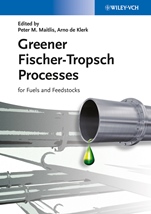
Greener Fischer–Tropsch Processes: For Fuels and Feedstocks
ISBN 9783527329458
Autor: Peter M. Maitlis, Arno de Klerk
Wydawca: Wiley
Dostępność: 3-6 tygodni
Cena: 693,00 zł
Przed złożeniem zamówienia prosimy o kontakt mailowy celem potwierdzenia ceny.
ISBN13: |
9783527329458 |
ISBN10: |
3527329455 |
Autor: |
Peter M. Maitlis, Arno de Klerk |
Oprawa: |
Hardback |
Rok Wydania: |
2013-02-13 |
Ilość stron: |
390 |
Wymiary: |
244x175 |
Tematy: |
PN |
H ow can we use our carbon–based resources in the most responsible manner? How can we most efficiently transform natural gas, coal, or biomass into diesel, jet fuel or gasoline to drive our machines? The Big Questions today are energy–related, and the Fischer–Tropsch process provides industrially tested solutions. This book offers a comprehensive and up–to–date overview of the Fischer–Tropsch process, from the basic science and engineering to commercial issues. It covers industrial, economic, environmental, and fundamental aspects, with a specific focus on “green” concepts such as sustainability, process improvement, waste–reduction, and environmental care. The result is a practical reference for researchers, engineers, and financial analysts working in the energy sector, who are interested in carbon conversion, fuel processing or synthetic fuel technologies. It is also an ideal introductory book on the Fischer–Tropsch process for graduate courses in chemistry and chemical engineering
Preface XV List of Contributors XVII Part One Introduction 1 1 What is Fischer – Tropsch? 3 Peter M. Maitlis Synopsis 3 1.1 Feedstocks for Fuel and for Chemicals Manufacture 3 1.2 The Problems 5 1.3 Fuels for Transportation 6 1.4 Feedstocks for the Chemical Industry 8 1.5 Sustainability and Renewables: Alternatives to Fossil Fuels 8 1.6 The Way Forward 10 1.7 XTL and the Fischer–Tropsch Process (FTP) 11 1.8 Alternatives to Fischer–Tropsch 14 References 15 Part Two Industrial and Economics Aspects 17 2 Syngas: The Basis of Fischer – Tropsch 19 Roberto Zennaro, Marco Ricci, Letizia Bua, Cecilia Querci, Lino Carnelli, and Alessandra d ’ Arminio Monforte Synopsis 19 2.1 Syngas as Feedstock 19 2.2 Routes to Syngas: XTL (X ¼ Gas, Coal, Biomass, and Waste) 21 2.3 Water–Gas Shift Reaction (WGSR) 31 2.4 Synthesis Gas Cleanup 34 2.5 Thermal and Carbon Efficiency 37 2.6 The XTL Gas Loop 41 2.7 CO2 Production and CO2 as Feedstock 46 References 49 3 Fischer – Tropsch Technology 53 Arno de Klerk, Yong–Wang Li, and Roberto Zennaro Synopsis 53 3.1 Introduction 53 3.2 Industrially Applied FT Technologies 54 3.3 FT Catalysts 58 3.4 Requirements for Industrial Catalysts 59 3.5 FT Reactors 61 3.6 Selecting the Right FT Technology 71 3.7 Selecting the FT Operating Conditions 74 3.8 Selecting the FT Catalyst Type 75 3.9 Other Factors That Affect FT Technology Selection 76 References 78 4 What Can We Do with Fischer – Tropsch Products? 81 Arno de Klerk and Peter M. Maitlis Synopsis 81 4.1 Introduction 81 4.2 Composition of Fischer–Tropsch Syncrude 82 4.3 Syncrude Recovery after Fischer–Tropsch Synthesis 92 4.4 Fuel Products from Fischer–Tropsch Syncrude 96 4.5 Lubricants from Fischer–Tropsch Syncrude 101 4.6 Petrochemical Products from Fischer–Tropsch Syncrude 102 References 104 5 Industrial Case Studies 107 Yong–Wang Li and Arno de Klerk Synopsis 107 5.1 Introduction 107 5.2 A Brief History of Industrial FT Development 108 5.3 Industrial FT Facilities 116 5.4 Perspectives on Industrial Developments 124 References 128 6 Other Industrially Important Syngas Reactions 131 Peter M. Maitlis Synopsis 131 6.1 Survey of CO Hydrogenation Reactions 131 6.2 Syngas to Methanol 133 6.3 Syngas to Dimethyl Ether (DME) 137 6.4 Syngas to Ethanol 137 6.5 Syngas to Acetic Acid 139 6.6 Higher Hydrocarbons and Higher Oxygenates 143 6.7 Hydroformylation 144 6.8 Other Reactions Based on Syngas 146 References 148 7 Fischer – Tropsch Process Economics 149 Roberto Zennaro Synopsis 149 7.1 Introduction and Background 149 7.2 Market Outlook (Natural Gas) 150 7.3 Capital Cost 156 7.4 Operating Costs 162 7.5 Revenues 162 7.6 Economics and Sensitivity Analysis 164 References 169 Part Three Fundamental Aspects 171 8 Preparation of Iron FT Catalysts 173 Burtron H. Davis Synopsis 173 8.1 Introduction 173 8.2 High–Temperature Fischer–Tropsch (HTFT) Catalysts 174 8.3 Low–Temperature Catalysts 176 8.4 Individual Steps 177 References 190 9 Cobalt FT Catalysts 193 Burtron H. Davis Synopsis 193 9.1 Introduction 193 9.2 Early German Work 193 9.3 Support Preparation 194 9.4 Addition of Cobalt and Promoters 202 9.5 Calcination 203 9.6 Reduction 204 9.7 Catalyst Transfer 205 9.8 Catalyst Attrition 205 9.9 Addendum Recent Literature Summary 205 References 205 10 Other FT Catalysts 209 Burtron H. Davis and Peter M. Maitlis Synopsis 209 10.1 Introduction 209 10.2 Ni Catalysts 210 10.3 Ruthenium Catalysts 211 10.4 Rhodium Catalysts 217 10.5 Other Catalysts and Promoters 218 References 218 11 Surface Science Studies Related to Fischer – Tropsch Reactions 221 Peter M. Maitlis Synopsis 221 11.1 Introduction: Surfaces in Catalysts and Catalytic Cycles 221 11.2 Heterogeneous Catalyst Characterization 222 11.3 Species Detected on Surfaces 226 11.4 Theoretical Calculations 233 References 234 12 Mechanistic Studies Related to the Fischer – Tropsch Hydrocarbon Synthesis and Some Cognate Processes 237 Peter M. Maitlis Synopsis 237 12.1 Introduction 237 12.2 Basic FT Reaction: Dissociative and Associative Paths 240 12.3 Some Mechanisms–Related Experimental Studies 244 12.4 Current Views on the Mechanisms of the FT–S 251 12.5 Now: Toward a Consensus? 253 12.6 Dual FT Mechanisms 256 12.7 Cognate Processes: The Formation of Oxygenates in FT–S 259 12.8 Dual Mechanisms Summary 260 12.9 Improvements by Catalyst Modifications 260 12.10 Catalyst Activation and Deactivation Processes 261 12.11 Desorption and Displacement Effects 262 12.12 Directions for Future Researches 262 12.13 Caveat 264 References 264 Part Four Environmental Aspects 267 13 Fischer – Tropsch Catalyst Life Cycle 269 Julius Pretorius and Arno de Klerk Synopsis 269 13.1 Introduction 269 13.2 Catalyst Manufacturing 270 13.3 Catalyst Consumption 272 13.4 Catalyst Disposal 276 References 277 14 Fischer – Tropsch Syncrude: To Refine or to Upgrade? 281 Vincenzo Calemma and Arno de Klerk Synopsis 281 14.1 Introduction 281 14.2 Wax Hydrocracking and Hydroisomerization 286 14.3 Olefin Dimerization and Oligomerization 301 References 307 15 Environmental Sustainability 311 Roberta Miglio, Roberto Zennaro, and Arno de Klerk Synopsis 311 15.1 Introduction 311 15.2 Impact of FT Facilities on the Environment 313 15.3 Water and Wastewater Management 316 15.4 Solid Waste Management 325 15.5 Air Quality Management 326 15.6 Environmental Footprint of FT Refineries 330 References 334 Part Five Future Prospects 337 16 New Directions, Challenges, and Opportunities 339 Peter M. Maitlis and Arno de Klerk Synopsis 339 16.1 Introduction 339 16.2 Why Go Along the Fischer–Tropsch Route? 341 16.3 Considerations against Fischer–Tropsch Facilities 343 16.4 Opportunities to Improve Fischer–Tropsch Facilities 344 16.5 Fundamental Studies: Keys to Improved FT Processes 351 16.6 Challenges for the Future 353 16.7 Conclusions 356 References 357 Glossary 359 Index 363
Peter Maitlis is Professor Emeritus of Inorganic Chemistry at the University of Sheffield. His researches are concerned with the interaction of organic molecules with metals, where he is currently developing a closer understanding of heterogeneously catalyzed reactions. He has co–authored over 350 scientific papers as well as three books on catalysis, and has lectured extensively. His work has been recognized internationally: he was elected FRS in 1984, and was made a Socio of the Accademia dei Lincei in Rome in 1999. He has been President of the Dalton Division of the RSC, Chairman, of the SERC Chemistry Committee in the UK, and has also worked in the USA (Cornell and Harvard), and in Canada (McMaster University). Arno de Klerk holds postgraduate qualifications in both analytical chemistry and chemical engineering. In 2001 he was appointed as research manager of the Fischer–Tropsch Refinery Catalysis group, being responsible for catalysis research related to conversion processes for upgrading Fischer–Tropsch syncrude to fuels and chemicals. In 2009 he relocated from South Africa to Canada and took up his present position at the University of Alberta. He has authored publications in the fields of engineering, catalysis, chemistry and refining. He is author of the book “Fischer–Tropsch Refining” also published by Wiley–VCH (ISBN 978–3–527–32605–1).
Koszyk
Książek w koszyku: 0 szt.
Wartość zakupów: 0,00 zł
Informacje


Kontakt
Gambit
Centrum Oprogramowania
i Szkoleń Sp. z o.o.
Al. Pokoju 29b/22-24
31-564 Kraków
Siedziba Księgarni
ul. Kordylewskiego 1
31-542 Kraków
+48 12 410 5991
+48 12 410 5987
+48 12 410 5989
Subskrypcje
Administratorem danych osobowych jest firma Gambit COiS Sp. z o.o. Na podany adres będzie wysyłany wyłącznie biuletyn informacyjny.
Autoryzacja płatności

Informacje na temat autoryzacji płatności poprzez PayU.

© Copyright 2012: GAMBIT COiS Sp. z o.o. Wszelkie prawa zastrzeżone.
Projekt i wykonanie: Alchemia Studio Reklamy