


Wydawcy
Katalog tematyczny
- Archeologia (109)
- Ekonomia, finanse, business (13704)
- Filozofia (1445)
- Historia (3040)
- Języki i językoznawstwo (2356)
- Lifestyle, hobby i rozrywka (475)
- Medycyna (9704)
- Nauki humanistyczne (4)
- Nauki o Ziemi i środowisku (2638)
- Nauki ścisłe (20412)
- Astronomia (294)
- Biologia (5119)
- Chemia (6540)
- Chemia analityczna (361)
- Chemia fizyczna (346)
- Chemia nieorganiczna (137)
- Chemia organiczna (535)
- Krystalografia (27)
- Minerologia (46)
- Fizyka (3309)
- Matematyka (4574)
- Nauki ścisłe, ogólnie (503)
- Nauki społeczne (8486)
- Nauki techniczne (13450)
- Prawo (1696)
- Publikacje informacyjne i interdyscyplinarne (1288)
- Religia i wierzenia (917)
- Technika komputerowa (4067)
- Zdrowie, relacje międzyludzkie i rozwój osobisty (657)





Informacje szczegółowe o książce
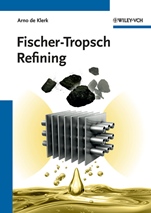
Fischer–Tropsch Refining
ISBN 9783527326051
Autor: Arno de Klerk
Wydawca: Wiley
Dostępność: 3-6 tygodni
Cena: 827,40 zł
Przed złożeniem zamówienia prosimy o kontakt mailowy celem potwierdzenia ceny.
ISBN13: |
9783527326051 |
ISBN10: |
3527326057 |
Autor: |
Arno de Klerk |
Oprawa: |
Hardback |
Rok Wydania: |
2011-07-20 |
Ilość stron: |
642 |
Wymiary: |
250x179 |
Tematy: |
PN |
The Fischer–Tropsch process is gaining recognition again due to the world–wide increase in energy needs and decrease in oil availability. The increasing interest in utilizing biomass as a potential renewable feedstock in energy generation is further supporting this development.
The book covers the production and refining of Fischer–Tropsch syncrude to fuels and chemicals systematically and comprehensively, presenting a wealth of new knowledge and material. As such, it deals extensively with aspects of engineering, chemistry and catalysis. This handbook and ready reference adopts a fundamental approach, looking at the molecules and their transformation from feed to product. Numerous examples illustrate the possibilities and limitations of Fischer–Tropsch syncrude as feesdstock.
Of great interest to everyone interested in refining – not just Fischer–Tropsch specialists.
From the Contents:
Fischer–Tropsch Facilities and Refineries at a Glance Production of Fischer–Tropsch Syncrude Industrial Fischer–Tropsch Facilities Synthetic Transportation Fuels Refining Technology Refinery DesignPreface.
Part I Introduction.
1 Fischer Tropsch Facilities at a Glance.
1.1 Introduction.
1.2 Feed–to–Syngas Conversion.
1.3 Syngas–to–Syncrude Conversion.
1.4 Syncrude–to–Product Conversion.
1.5 Indirect Liquefaction Economics.
2 Refining and Refineries at a Glance.
2.1 Introduction.
2.2 Conventional Crude Oil.
2.3 Products from Crude Oil.
2.4 Evolution of Crude Oil Refineries.
Part II Production of Fischer Tropsch Syncrude.
3 Synthesis Gas Production, Cleaning, and Conditioning.
3.1 Introduction.
3.2 Raw Materials.
3.3 Syngas from Natural Gas.
3.4 Syngas from Solid Carbon Sources.
3.5 Syngas Cleaning.
3.6 Syngas Conditioning.
4 Fischer Tropsch Synthesis.
4.1 Introduction.
4.2 Fischer Tropsch Mechanism.
4.3 Fischer Tropsch Product Selectivity.
4.4 Selectivity Manipulation in Fischer Tropsch Synthesis.
4.5 Fischer Tropsch Catalyst Deactivation.
5 Fischer Tropsch Gas Loop.
5.1 Introduction.
5.2 Gas Loop Configurations.
5.3 Syncrude Cooling and Separation.
Part III Industrial Fischer Tropsch Facilities.
6 German Fischer Tropsch Facilities.
6.1 Introduction.
6.2 Synthesis Gas Production.
6.3 Fischer Tropsch Synthesis.
6.4 Fischer Tropsch Refining.
6.5 Discussion of the Refinery Design.
7 American Hydrocol Facility.
7.1 Introduction.
7.2 Synthesis Gas Production.
7.3 Fischer Tropsch Synthesis.
7.4 Fischer Tropsch Refining.
7.5 Discussion of the Refinery Design.
References.
8 Sasol 1 Facility.
8.1 Introduction.
8.2 Synthesis Gas Production.
8.3 Fischer Tropsch synthesis.
8.4 Fischer Tropsch Refining.
8.5 Evolution of the Sasol 1 Facility.
8.6 Discussion of the Refinery Design.
9 Sasol 2 and 3 Facilities.
9.1 Introduction.
9.2 Synthesis Gas Production.
9.3 Fischer Tropsch Synthesis.
9.4 Fischer Tropsch Refining.
9.5 Evolution of Sasol Synfuels.
9.6 Discussion of the Refinery Design.
10 Mossgas Facility.
10.1 Introduction.
10.2 Synthesis Gas Production.
10.3 Fischer Tropsch Synthesis.
10.4 Fischer Tropsch Refining.
10.5 Evolution of the PetroSA Facility.
10.6 Discussion of the Refinery Design.
11 Shell Middle Distillate Synthesis (SMDS) Facilities.
11.1 Introduction.
11.2 Synthesis Gas Production in Bintulu GTL.
11.3 Fischer Tropsch Synthesis in Bintulu GTL.
11.4 Fischer Tropsch Refining in Bintulu GTL.
11.5 Pearl GTL Facility.
11.6 Discussion of the Refinery Design.
12 Oryx and Escravos Gas–to–Liquids Facilities.
12.1 Introduction.
12.2 Synthesis Gas Production in Oryx GTL.
12.3 Fischer Tropsch Synthesis in Oryx GTL.
12.4 Fischer Tropsch Refining in Oryx GTL.
12.5 Discussion of the Refinery Design.
Part IV Synthetic Transportation Fuels.
13 Motor–Gasoline.
13.1 Introduction.
13.2 Motor–Gasoline Specifications.
13.3 Motor–Gasoline Properties.
13.4 Aviation–Gasoline.
13.5 Future Motor–Gasoline Specification Changes.
14 Jet Fuel.
14.1 Introduction.
14.2 Jet Fuel Specifications.
14.3 Jet Fuel Properties.
14.4 Future Jet Fuel Specification Changes.
15 Diesel Fuel.
15.1 Introduction.
15.2 Diesel Fuel Specifications.
15.3 Diesel Fuel Properties.
15.4 Diesel Fuel Additives That Affect Refinery Design.
15.5 Future Diesel Fuel Specification Changes.
Part V Refining Technology.
16 Refining Technology Selection.
16.1 Introduction.
16.2 Hydrotreating.
16.3 Addition and Removal of Oxygen.
16.4 Alkene Conversion.
16.5 Alkane Conversion.
16.6 Residue Conversion.
16.7 Fischer Tropsch Refining Technology Selection.
17 Dehydration, Etherification, and Hydration.
17.1 Introduction.
17.2 Dehydration.
17.3 Etherification.
17.4 Hydration.
18 Isomerization.
18.1 Introduction.
18.2 Reaction Chemistry.
18.3 Skeletal Isomerization.
18.4 Hydroisomerization.
19 Oligomerization.
19.1 Introduction.
19.2 Reaction Chemistry.
19.3 Catalysis.
19.4 Syncrude Process Technology.
20 Aromatic Alkylation.
20.1 Introduction.
20.2 Reaction Chemistry.
20.3 Catalysis.
20.4 Syncrude Process Technology.
21 Cracking.
21.1 Introduction.
21.2 Reaction Chemistry.
21.3 Thermal Cracking.
21.4 Catalytic Cracking.
21.5 Hydrocracking.
22 Reforming and Aromatization.
22.1 Introduction.
22.2 Thermal Naphtha Reforming.
22.3 Conventional Catalytic Naphtha Reforming.
22.4 Monofunctional Nonacidic Pt/L–Zeolite Naphtha Reforming.
22.5 Aromatization.
23 Chemical Technologies.
23.1 Introduction.
23.2 Production of n–1–Alkenes (Linear a–Olefins).
23.3 Autoxidation.
Part VI Refinery Design.
24 Principles of Refinery Design.
24.1 Introduction.
24.2 Refinery Design Concepts.
24.3 Conceptual Refinery Design.
24.4 Real–World Refinery Design.
25 Motor–Gasoline Refining.
25.1 Introduction.
25.2 Gap Analysis for Syncrude to Motor–Gasoline.
25.3 Decisions Affecting Motor–Gasoline Refining.
25.4 Motor–Gasoline Refining from HTFT Syncrude.
25.5 Motor–Gasoline Refining from LTFT Syncrude.
26 Jet Fuel Refining.
26.1 Introduction.
26.2 Gap Analysis for Syncrude to Jet Fuel.
26.3 Decisions Affecting Jet Fuel Refining.
26.4 Jet Fuel Refining from HTFT Syncrude.
26.5 Jet Fuel Refining from LTFT Syncrude.
27 Diesel Fuel Refining.
27.1 Introduction.
27.2 Gap Analysis for Syncrude to Diesel Fuel.
27.3 Decisions Affecting Diesel Fuel Refining.
27.4 Diesel Fuel Refining from HTFT Syncrude.
27.5 Diesel Fuel Refining from LTFT Syncrude.
28 Chemicals and Lubricant Refining.
28.1 Introduction.
28.2 Petrochemical and Lubricant Markets.
28.3 Overview of Chemicals Refining Concepts for Syncrude.
28.4 Fischer Tropsch–Based Petrochemical Refining.
28.5 Fischer Tropsch–Based Lubricant Base Oil Refining.
References.
Index.
Arno de Klerk has been active in the field of Fischer–Tropsch refining for more than 15 years. Most of his industrial career was spent at Sasol, where he headed the Fischer–Tropsch Refinery Catalysis group from 2001–2008. Presently, he is the Nexen Professor of Catalytic Reaction Engineering in the Department of Chemical and Materials Engineering at the University of Alberta. He is registered as professional engineer in both South Africa and Canada (Alberta), holding a PhD in Chemical Engineering and an MSc in Chemistry. Professor de Klerk received the Innovation Award from the South African Institution of Chemical Engineers for his work on refining and refining catalysis on three occasions.
I would strongly recommend this book to all who wish to become informed about the FT industry and its technology. It may well be the case that FT processes will play a dominant role in tomorrow′s energy sources. (Chemistry World, 2012)
Koszyk
Książek w koszyku: 0 szt.
Wartość zakupów: 0,00 zł
Informacje


Kontakt
Gambit
Centrum Oprogramowania
i Szkoleń Sp. z o.o.
Al. Pokoju 29b/22-24
31-564 Kraków
Siedziba Księgarni
ul. Kordylewskiego 1
31-542 Kraków
+48 12 410 5991
+48 12 410 5987
+48 12 410 5989
Subskrypcje
Administratorem danych osobowych jest firma Gambit COiS Sp. z o.o. Na podany adres będzie wysyłany wyłącznie biuletyn informacyjny.
Autoryzacja płatności

Informacje na temat autoryzacji płatności poprzez PayU.

© Copyright 2012: GAMBIT COiS Sp. z o.o. Wszelkie prawa zastrzeżone.
Projekt i wykonanie: Alchemia Studio Reklamy