


Wydawcy
Katalog tematyczny
- Archeologia (109)
- Ekonomia, finanse, business (13704)
- Filozofia (1445)
- Historia (3040)
- Języki i językoznawstwo (2356)
- Lifestyle, hobby i rozrywka (475)
- Medycyna (9704)
- Chirurgia (272)
- Inne gałęzie medycyny (1871)
- Medycyna kliniczna (4187)
- Medycyna niekonwencjonalna (14)
- Medycyna przedkliniczna (269)
- Medycyna, ogólnie (1740)
- Historia medycyny (3)
- Lekarze, sprawy zawodowe (8)
- Medycyna, aspekty prawne (10)
- Służba zdrowia (36)
- Wyposażenie medyczne (157)
- Zdrowie publiczne (460)
- Medyczne służby pomocnicze (745)
- Studia medyczne (16)
- Weterynaria (548)
- Nauki humanistyczne (4)
- Nauki o Ziemi i środowisku (2638)
- Nauki ścisłe (20412)
- Nauki społeczne (8486)
- Nauki techniczne (13450)
- Prawo (1696)
- Publikacje informacyjne i interdyscyplinarne (1288)
- Religia i wierzenia (917)
- Technika komputerowa (4067)
- Zdrowie, relacje międzyludzkie i rozwój osobisty (657)





Informacje szczegółowe o książce
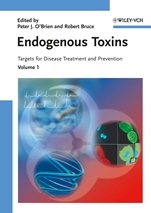
Endogenous Toxins: Targets for Disease Treatment and Prevention 2 Volume Set
ISBN 9783527323630
Autor: Peter J. OBrien, William Robert Bruce
Wydawca: Wiley
Dostępność: 3-6 tygodni
Cena: 1 747,20 zł
Przed złożeniem zamówienia prosimy o kontakt mailowy celem potwierdzenia ceny.
ISBN13: |
9783527323630 |
ISBN10: |
3527323635 |
Autor: |
Peter J. OBrien, William Robert Bruce |
Oprawa: |
Hardback |
Rok Wydania: |
2009-10-21 |
Ilość stron: |
994 |
Wymiary: |
248x181 |
Tematy: |
MB |
Contrary to popular belief, a fair number of human diseases are not dependent on outside factors but are caused by molecules generated within our own body. These so–called endogenous toxins come in many varieties and can be due to malnutrition, an imbalanced diet, excessive eating or drinking, or genetic defects. There is now a growing awareness of these ever–present "silent toxins", which largely determine our risk of developing such chronic diseases as diabetes, metabolic syndrome or neurodegeneration.
Designed as a first–stop reference for researchers and professionals in toxicology, pharmacology and medicine, this handbook is the very first to tie together the knowledge from many disciplines that has so far only been available in widely dispersed sources throughout the primary literature. As such, it presents the complete picture on what is currently known about endogenous toxins, including their generation, mode of action, resulting disease condition, and available countermeasures.
Clearly divided into four parts, the first systematically covers important toxic molecule species, including metabolic intermediates and reactive oxygen species. The second discusses the role of genetically determined metabolic malfunctions, such as galactosemia, hyperlipidemia, porphyria, hemochromatosis and related conditions, while part three looks at acquired and chronic diseases caused or exacerbated by endogenous toxins, such as hepatic injury, asthma, rheumatism, colorectal cancer, reperfusion diseases, neurodegeneration and aging. The final part reviews currents strategies to control and minimize the effect of endogenous toxins, either by nutritional or pharmacological interventions.
With its complete coverage integrating molecular and systemic aspects from the biochemical basis to human disease conditions, this is an invaluable reference for toxicologists, biochemists, nutrition specialists and physicians.
Spis treści:
VOLUME I.
Preface.
List of Contributors.
Abbreviations.
Part One Endogenous Toxins Associated with Excessive Sugar, Fat, Meat, or Alcohol Consumption.
Sub–Part Chemistry and Biochemistry.
1 Endogenous DNA Damage (Erin G. Prestwich and Peter C. Dedon).
1.1 Introduction.
1.2 Oxidatively Damaged DNA.
1.3 DNA Alkylation by Endogenous Electrophiles.
1.4 DNA and RNA Deamination.
1.5 Summary.
References.
2 Modification of Cysteine Residues in Protein by Endogenous Oxidants and Electrophiles (Norma Frizzell and John W. Baynes).
2.1 Introduction.
2.2 Autoxidation of Cysteine.
2.3 Glutathione.
2.4 Lipoxidation.
2.5 Maillard Reactions of Cysteine.
2.6 Succination.
2.7 Conclusion.
Acknowledgment.
References.
3 Endogenous Macromolecule Radicals (Arno G. Siraki and Marilyn Ehrenshaft).
3.1 Introduction.
3.2 What is a Free Radical?
3.3 Free Radicals as Initiators of Macromolecule Damage.
3.4 Macromolecule Radical Formation Induced by Small Molecule Free Radicals.
3.5 Examples and Potential Application of Immuno–Spin Trapping (IST) for the Detection of Macromolecule Radicals.
3.6 Immunological Detection of Oxidized Tryptophan Residues in Proteins.
References.
4 Alcohol–Derived Bioadducts (Geoffrey M. Thiele and Lynell W. Klassen).
4.1 Introduction.
4.2 The Generation of Reactive Metabolites.
4.3 Ethanol Metabolites React with Proteins.
4.4 Acetaldehyde Adducts.
4.5 Malondialdehyde.
4.6 Malondialdehyde–Acetaldehyde (MAA) Adducts.
4.7 4–Hydroxyalkenals.
4.8 Free Radical–Derived Adducts.
4.9 5–Deo
xy–D–xylulose–1–phosphate (DXP).
4.10 Acetaldehyde–Glucose Amadori Product Adduct.
4.11 Immune Responses to Proteins Modified with Alcohol Metabolites.
4.12 The Role of Alcohol–Derived Bioadducts in Alcohol–Related Tissue Injury.
4.13 Future Directions.
Acknowledgments.
References.
5 Iron from Meat Produces Endogenous Procarcinogenic Peroxides (Denis E. Corpet, Françoise Guéraud, and Peter J. O’Brien).
5.1 Introduction.
5.2 Toxic Effects of Iron: Molecular Mechanisms.
5.3 Procarcinogenic Effects of Iron: In vitro Studies.
5.4 Procarcinogenic Effects of Iron in the Gut.
5.5 Procarcinogenic Effects of Iron Inside the Body.
5.6 General Conclusion.
References.
Sub–Part Molecular Toxicology Mechanisms of Dietary Endogenous Toxins.
6 Short Chain Sugars as Endogenous Toxins (Ludmil T. Benov).
6.1 Definition and Properties.
6.2 Short Chain Sugars and Reactive Oxygen Species.
6.3 Dicarbonyls.
6.4 Direct Reactions with Biomolecules.
6.5 Short Chain Sugars and Their Sources.
6.6 Glyceraldehyde 3–phosphate Dehydrogenase.
6.7 Triosephosphate Isomerase.
Acknowledgment.
References.
7 Fructose–Derived Endogenous Toxins (Peter J. O’Brien, Cynthia Y. Feng, Owen Lee, Q. Dong, Rhea Mehta, Jeff Bruce, and W. Robert Bruce).
7.1 Introduction.
7.2 Recent Increased Consumption of Fructose.
7.3 Health Concerns Associated with High Chronic Consumption of Fructose.
7.4 Sugars as a Source of Endogenous Reactive Carbonyl Formation and AGEs.
7.5 Rat Hepatocyte Studies on Endogenous Toxins Formed by Fructose Metabolism and/or Oxidation.
7.6 Cancer Risk and Genotoxicit
y of Fructose or Carbonyl Metabolites.
7.7 Disease Prevention by Fruits and Vegetables versus Fructose Concern.
7.8 Conclusions.
References.
8 Glyceraldehyde–Related Reaction Products (Teruyuki Usui, Hirohito Watanabe, and Fumitaka Hayase).
8.1 Maillard Reaction.
8.2 Maillard–Related Diseases.
8.3 Glyceraldehyde–Modified Protein.
8.4 Glyceraldehyde–Derived AGEs.
8.5 Cytotoxicity and Oxidative Stress.
References.
9 Estrogens as Endogenous Toxins (Jason Matthews).
9.1 Introduction.
9.2 Estrogen Synthesis.
9.3 Receptor–Mediated Estrogen Signaling.
9.4 DNA Damage Induced by Estrogen.
9.5 Oxidative Metabolism of Estrogen.
9.6 Role for Estrogen Receptor in ROS Generations.
9.7 Treatment of Estrogen–Dependent Diseases.
9.8 Conclusions.
References.
10 Reactive Oxygen Species, Hypohalites, and Reactive Nitrogen Species in Liver Pathophysiology (Hartmut Jaeschke).
10.1 Introduction.
10.2 Reactive Oxygen Species.
10.3 Reactive Nitrogen Species.
10.4 Hypohalites.
10.5 Summary.
References.
Part Two Genetics: Endogenous Toxins Associated with Inborn Errors of Metabolism.
11 Oxalate and Primary Hyperoxaluria (Christopher J. Danpure).
11.1 Oxalate as an Endogenous Toxin.
11.2 Hereditary Oxalate Overproduction – The Primary Hyperoxalurias.
11.3 Cytotoxicity of Oxalate, Calcium Oxalate, and Related Metabolites.
11.4 Conclusions.
References.
12 Pathophysiology of Endogenous Toxins and Their Relation to Inborn Errors of Metabolism and Drug–Mediated Toxicities (Vangala Subrahmanyam).
12.1 Introduction.
12.2 Pathophysiology of Hepatobil
iary System.
12.3 Inborn Errors of Bile Acid/Salt Transporter Deficiencies.
12.4 Drugs and Cholestatic Liver Disease.
12.5 Phospholipases and Phospholipidosis.
12.6 Mechanisms of Toxicity Associated with Accumulated Metabolites during Inborn Errors of Metabolism.
12.7 Pathophysiology of Phenylketonuria and Hyperphenylalaninemia.
12.8 Conclusions.
References.
13 Mechanisms of Toxicity in Fatty Acid Oxidation Disorders (J. Daniel Sharer).
13.1 Introduction.
13.2 Mitochondrial β–Oxidation.
13.3 Peroxisomal Fatty Acid Oxidation.
13.4 Conclusions.
Acknowledgments.
References.
14 Homocysteine as an Endogenous Toxin in Cardiovascular Disease (Sana Basseri, Jennifer Caldwell, Shantanu Sengupta, Arun Kumar, and Richard C. Austin).
14.1 Cardiovascular Disease Risk.
14.2 Overview of Atherosclerosis.
14.3 Homocysteine Metabolism.
14.4 Hyperhomocysteinemia and CVD.
14.5 Genetic Causes of Hyperhomocysteinemia.
14.6 Recent Studies.
14.7 Potential Mechanisms through which Hyperhomocysteinemia Contributes to Atherogenesis.
14.8 Conclusions.
References.
15 Uric Acid Alterations in Cardiometabolic Disorders and Gout (Renato Ippolito, Ferruccio Galletti, and Pasquale Strazzullo).
15.1 Introduction.
15.2 Dual Properties of Uric Acid as Antioxidant or Pro–Oxidant Molecule.
15.3 Effects of Uric Acid on the Arterial Wall Properties and Endothelial Function.
15.4 Causes of Hyperuricemia and Hypouricemia.
15.5 Hyperuricemia, Gout, and Their Treatment.
15.6 Uric Acid and Cardiovascular Disease.
References.
16 Genetic Defects in Iron and Copper Trafficking (Douglas M. Templeton).
16.1 Introduction and Termin
ology.
16.2 Iron.
16.3 Copper.
16.4 Summary.
References.
17 Polyglutamine Neuropathies: Animal Models to Molecular Mechanisms (Kelvin Hui and Jeffrey Henderson).
17.1 Neurobiology of Polyglutamine Diseases.
17.2 Animal Models of Polyglutamine Diseases.
17.3 Mechanisms of Polyglutamine–Induced Neural Injury.
17.4 Future Perspectives.
Acknowledgments.
References.
VOLUME II.
Abbreviations.
Part Three Examples of Endogenous Toxins Associated with Acquired Diseases or Animal Disease Models.
18 Alcohol–Induced Hepatic Injury (Emanuele Albano).
18.1 Introduction.
18.2 Ethanol Metabolism and Toxicity.
18.3 Mechanisms of Alcohol Hepatotoxicity.
18.4 Conclusions.
References.
19 Ethanol–Induced Endotoxemia and Tissue Injury (Radhakrishna K. Rao).
19.1 Alcoholic Endotoxemia.
19.2 Causes of Alcoholic Endotoxemia.
19.3 Influence of Alcoholic Endotoxemia on Different Organs.
19.4 Mechanism of Tissue Damage by Alcoholic Endotoxemia.
19.5 Factors that Ameliorate Alcoholic Endotoxemia and Tissue Damage.
19.6 Summary and Perspectives.
Acknowledgments.
References.
20 Gut Microbiota, Diet, Endotoxemia, and Diseases (Patrice D. Cani and Nathalie M. Delzenne).
20.1 Introduction.
20.2 Gut Microbiota and Energy Homeostasis.
20.3 Energy Harvest, Obesity, and Metabolic Disorders: Paradoxes?
20.4 Role of the Gut Microbiota in the Inflammatory Associated with Obesity.
20.5 Metabolic Endotoxemia and High–Fat Feeding: Human Evidence.
20.6 Conclusion.
References.
21 Nutrient–Derived Endogenous Toxins in the Pathogenesis of Type 2 Diabetes at the β–Cell Level (Christine Tang, Andrei I. Oprescu, and Adria Giacca).
21.1 Introduction.
21.2 Acute Effect of Glucose and FFA on Insulin Secretion.
21.3 Insulin Secretory Abnormalities in Type 2 Diabetic Patients.
21.4 β–Cell Glucotoxicity.
21.5 β–Cell Lipotoxicity.
21.6 Glucolipotoxicity.
21.7 Oxidative Stress as an Endogenous Toxin.
21.8 Oxidative Stress, β–Cell Glucotoxicity, and Lipotoxicity.
21.9 Conclusion.
References.
22 Endogenous Toxins and Susceptibility or Resistance to Diabetic Complications (Paul J. Beisswenger).
22.1 Introduction and Background.
22.2 Synthetic Pathways for Glycation Products.
22.3 Enzymatic Deglycation Pathways.
22.4 Susceptibility to Diabetic Complications Varies Widely among Individuals.
22.5 Overproduction of α–Dicarbonyls is Characteristic of Individuals Who are Prone to Diabetic Complications.
22.6 Oxidative Stress and Propensity to Diabetic Nephropathy.
22.7 Conclusions.
References.
23 Serum Advanced Glycation End Products Associated with NASH and Other Liver Diseases (Hideyuki Hyogo, Sho–ichi Yamagishi, and Susumu Tazuma).
23.1 Introduction.
23.2 Formation Pathways of AGEs.
23.3 AGEs’ Association in the Liver.
23.4 Circulating AGEs and Liver Disease.
23.5 Possible Molecular Mechanisms by which the AGEs–RAGE System is Involved in Liver Disease.
23.6 Conclusions.
Acknowledgment.
References.
24 Oxidative Stress in the Pathogenesis of Hepatitis C (Tom S. Chan and Marc Bilodeau).
24.1 Hepatitis C.
24.2 The Molecular Basis of Oxidative Stress in Hepatitis C.
24.3 The Emerging Role of Antioxidants in th
e Treatment of HCV.
24.4 Summary and Conclusions.
References.
25 Oxidized Low Density Lipoprotein Cytotoxicity and Vascular Disease (Steven P. Gieseg, Elizabeth Crone, and Zunika Amit).
25.1 Introduction to Vascular Disease.
25.2 oxLDL Formation.
25.3 Toxicity of oxLDL.
25.4 Types of oxLDL.
25.5 Cell–Mediated Oxidation and Atherosclerotic Plaques.
25.6 Endogenous Antioxidants.
25.7 Mechanism of oxLDL Cytotoxicity.
25.8 Oxysterol and the Mitochondria.
25.9 Oxysterols and Calcium.
25.10 NADPH Oxidase and Apoptosis versus Necrosis.
25.11 The Future.
References.
26 Oxidative Stress in Breast Cancer Carcinogenesis (Lisa J. Martin and Norman Boyd).
26.1 Introduction.
26.2 Markers of Oxidative Stress.
26.3 Oxidative Stress and Breast Cancer.
26.4 Oxidative Stress and Breast Cancer Risk Factors.
26.5 Mammographic Density (MD).
26.6 Association of Hormones, Mitogens, and Mutagens with Mammographic Density.
26.7 Potential Mechanisms for the Association of Mitogens and MDA with Mammographic Density and Breast Cancer Risk.
26.8 Summary.
References.
27 Lifestyle, Endogenous Toxins, and Colorectal Cancer Risk (Gail McKeown–Eyssen, Jeff Bruce, Owen Lee, Peter J. O’Brien, and W. Robert Bruce).
27.1 Introduction.
27.2 Lifestyle Risk Factors for CRC.
27.3 Oxidative Stress Relates to Lifestyle and CRC Risk.
27.4 Energy Excess Relates Lifestyle and CRC Risk.
27.5 Interaction of Toxicity of Energy Excess and Oxidative Stress.
27.6 Future Research.
References.
28 Dopamine–Derived Neurotoxicity and Parkinson’s Disease (Jose Luis Labandeira–Garcia).
28.1 The Neurotransmitter Dopamin
Koszyk
Książek w koszyku: 0 szt.
Wartość zakupów: 0,00 zł
Informacje


Kontakt
Gambit
Centrum Oprogramowania
i Szkoleń Sp. z o.o.
Al. Pokoju 29b/22-24
31-564 Kraków
Siedziba Księgarni
ul. Kordylewskiego 1
31-542 Kraków
+48 12 410 5991
+48 12 410 5987
+48 12 410 5989
Subskrypcje
Administratorem danych osobowych jest firma Gambit COiS Sp. z o.o. Na podany adres będzie wysyłany wyłącznie biuletyn informacyjny.
Autoryzacja płatności

Informacje na temat autoryzacji płatności poprzez PayU.

© Copyright 2012: GAMBIT COiS Sp. z o.o. Wszelkie prawa zastrzeżone.
Projekt i wykonanie: Alchemia Studio Reklamy