


Wydawcy
Katalog tematyczny
- Archeologia (109)
- Ekonomia, finanse, business (13704)
- Filozofia (1445)
- Historia (3040)
- Języki i językoznawstwo (2356)
- Lifestyle, hobby i rozrywka (475)
- Medycyna (9704)
- Nauki humanistyczne (4)
- Nauki o Ziemi i środowisku (2638)
- Nauki ścisłe (20412)
- Astronomia (294)
- Biologia (5119)
- Chemia (6540)
- Chemia analityczna (361)
- Chemia fizyczna (346)
- Chemia nieorganiczna (137)
- Chemia organiczna (535)
- Krystalografia (27)
- Minerologia (46)
- Fizyka (3309)
- Matematyka (4574)
- Nauki ścisłe, ogólnie (503)
- Nauki społeczne (8486)
- Nauki techniczne (13450)
- Prawo (1696)
- Publikacje informacyjne i interdyscyplinarne (1288)
- Religia i wierzenia (917)
- Technika komputerowa (4067)
- Zdrowie, relacje międzyludzkie i rozwój osobisty (657)





Informacje szczegółowe o książce
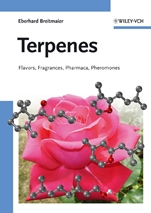
Terpenes: Flavors, Fragrances, Pharmaca, Pheromones
ISBN 9783527317868
Autor: Eberhard Breitmaier
Wydawca: Wiley
Dostępność: 3-6 tygodni
Cena: 401,10 zł
Przed złożeniem zamówienia prosimy o kontakt mailowy celem potwierdzenia ceny.
ISBN13: |
9783527317868 |
ISBN10: |
3527317864 |
Autor: |
Eberhard Breitmaier |
Oprawa: |
Hardback |
Rok Wydania: |
2006-08-18 |
Ilość stron: |
223 |
Wymiary: |
240x183 |
Tematy: |
PN |
This introductory textbook provides a perfectly structured and concise overview of this fascinating of natural products, together with their major applications. It covers both the structure, natural sources, biological and pharmacological effects, as well as selected total syntheses and important industrial syntheses for odorous substances and vitamin A.
The book includes sections on biogenesis, polycyclic terpenes, gingkoloids and neo–hopanes, among others.
From the contents:Significance, structure and biosynthesis of terpenesHemi–, mono–, sesqui–, di–, sester–, tri–, tetra– and polyterpenesBiological, olfactorial and pharmacological propertiesSelected terpene synthesesIsolation and structure determination of terpenes
For students of chemistry, biochemistry, biology and pharmacy, as well as ideal for anybody starting work in this field.
Spis treści:
Preface.
1 Terpenes: Importance, General Structure, and Biosynthesis.
1.1 Term and Significance.
1.2 General Structure: The Isoprene Rule.
1.3 Biosynthesis.
2 Hemi– and Monoterpenes.
2.1 Hemiterpenes.
2.2 Acyclic Monoterpenes.
2.3 Monocyclic Monoterpenes.
2.3.1 Cyclopropane and Cyclobutane Monoterpenes.
2.3.2 Cyclopentane Monoterpenes.
2.3.3 Cyclohexane Monoterpenes.
2.3.4 Cymenes.
2.4 Bicyclic Monoterpenes.
2.4.1 Survey.
2.4.2 Caranes and Thujanes.
2.4.3 Pinanes.
2.4.4 Camphanes and Fenchanes.
2.5 Cannabinoids.
3 Sesquiterpenes.
3.1 Farnesanes.
3.2 Monocyclic Farnesane Sesquiterpenes.
3.2.1 Cyclofarnesanes and Bisabolanes.
3.2.2 Germacranes and Elemanes.
3.2.3 Humulanes.
3.3 Polycyclic Farnesane Sesquiterpenes.
3.3.1 Caryophyllanes.
3.3.2 Eudesmanes and Furanoeudesmanes.
3.3.3 Eremophilanes, Furanoeremonphilanes, Valeranes.
3.3.4 Cadinanes.
3.3.5 Drimanes.
3.3.6 Guaianes and Cycloguaiane
s.
3.3.7 Himachalanes, Longipinanes, Longifolanes.
3.3.8 Picrotoxanes.
3.3.9 Isodaucanes and Daucanes.
3.3.10 Protoilludanes, Illudanes, Illudalanes.
3.3.11 Marasmanes, Isolactaranes, Lactaranes, Sterpuranes.
3.3.12 Acoranes.
3.3.13 Chamigranes.
3.3.14 Cedranes and Isocedranes.
3.3.15 Zizaanes and Prezizaanes.
3.3.16 Campherenanes and Santalanes.
3.3.17 Thujopsanes.
3.3.18 Hirsutanes.
3.4 Other Polycyclic Sesquiterpenes.
3.4.1 Pinguisanes.
3.4.2 Presilphiperfolianes, Silphiperfolianes, Silphinanes, Isocomanes.
4 Diterpenes.
4.1 Phytanes.
4.2 Cyclophytanes.
4.3 Bicyclophytanes.
4.3.1 Labdanes.
4.3.2 Rearranged Labdanes.
4.4 Tricyclophytanes.
4.4.1 Pimaranes and Isopimaranes.
4.4.2 Cassanes, Cleistanthanes, Isocopalanes.
4.4.3 Abietanes and Totaranes.
4.5 Tetracyclophytanes.
4.5.1 Survey.
4.5.2 Beyeranes.
4.5.3 Kauranes and Villanovanes.
4.5.4 Atisanes.
4.5.5 Gibberellanes.
4.5.6 Grayanatoxanes.
4.6 Cembranes and Cyclocembranes.
4.6.1 Survey.
4.6.2 Cembranes.
4.6.3 Casbanes.
4.6.4 Lathyranes.
4.6.5 Jatrophanes.
4.6.6 Tiglianes.
4.6.7 Rhamnofolanes and Daphnanes.
4.6.8 Eunicellanes and Asbestinanes.
4.6.9 Biaranes.
4.6.10 Dolabellanes.
4.6.11 Dolastanes.
4.6.12 Fusicoccanes.
4.6.13 Verticillanes and Taxanes.
4.6.14 Trinervitanes and Kempanes.
4.7 Prenylsesquiterpenes.
4.7.1 Xenicanes and Xeniaphyllanes.
4.7.2 Prenylgermacranes and Lobanes.
4.7.3 Prenyleudesmanes and Bifloranes.
4.7.4 Sacculatanes (Prenyldrimanes).
4.7.5 Prenylguaianes and Prenylaromadendranes.
4.7.6 Sphenolobanes (Prenyldaucanes).
4.8 Ginkgolides.
5 Sesterterpenes.
5.1 Acyclic Sesterterpenes.
5.2 Monocyclic Sesterterpenes.
5.3 Polycyclic Sesterterpenes.
5.3.1 Bicyclic Sesterterpenes.
5.3.2 Tricyclic Sesterterpenes.
5.3.3 Tetra– and Pentacyclic Sesterterpenes.
6 Triterpenes.
6.1 Linear T
riterpenes.
6.2 Tetracyclic Triterpenes, Gonane Type.
6.2.1 Survey.
6.2.2 Protostanes and Fusidanes.
6.2.3 Dammaranes.
6.2.4 Apotirucallanes.
6.2.5 Tirucallanes and Euphanes.
6.2.6 Lanostanes.
6.2.7 Cycloartanes.
6.2.8 Cucurbitanes.
6.3 Pentacyclic Triterpenes, Baccharane Type.
6.3.1 Survey.
6.3.2 Baccharanes and Lupanes.
6.3.3 Oleananes.
6.3.4 Taraxeranes, Multifloranes, Baueranes.
6.3.5 Glutinanes, Friedelanes, Pachysananes.
6.3.6 Taraxastanes and Ursanes.
6.4 Pentacyclic Triterpenes, Hopane Type.
6.4.1 Survey.
6.4.2 Hopanes and Neohopanes.
6.4.3 Fernanes.
6.4.4 Adiananes and Filicanes.
6.4.5 Gammaceranes.
6.5 Other Pentacyclic Triterpenes.
6.5.1 Survey.
6.5.2 Stictanes and Arboranes.
6.5.3 Onoceranes and Serratanes.
6.6 Iridals.
7 Tetraterpenes.
7.1 Carotenoids.
7.2 Apocarotenoids.
7.3 Diapocarotenoids.
7.4 Megastigmanes.
8 Polyterpenes and Prenylquinones.
8.1 Polyterpenes.
8.2 Prenylquinones.
9 Selected Syntheses of Terpenes.
9.1 Monoterpenes.
9.1.1 Concept of Industrial Syntheses of Monoterpenoid Fragrances.
9.1.2 (R)–(+)–Citronellal.
9.1.3 Rose oxide.
9.1.4 Chrysanthemic Acid Methyl Ester.
9.1.5 α–Terpineol.
9.1.6 (1R,3R,4S)–(.)–Menthol.
9.1.7 Camphor from α–Pinene.
9.1.8 α–Pinene and Derivatives for Stereospecific Syntheses of Chiral Monoterpenes.
9.1.9 Hexahydrocannabinol.
9.2 Sesquiterpenes.
9.2.1 β–Selinene.
9.2.2 Isocomene.
9.2.3 Cedrene.
9.2.4 Periplanone B.
9.3 Diterpenes.
9.3.1 Vitamin A (Retinol Acetate).
9.3.2 Cafestol.
9.3.3 Baccatin III as the Precursor of Taxol.
9.4 Triterpenes.
9.4.1 Lupeol.
10 Isolation and Structure Elucidation.
10.1 Isolation from Plants.
10.2 Spectroscopic Methods of Structure Elucidation.
10.3 Structure Elucidation of a Se
squiterpene.
10.3.1 Double Bond Equivalents.
10.3.2 Functional Groups and Partial Structures detected by 13C NMR.
10.3.3 Skeletal Structure (Connectivities of Atoms).
10.3.4 Relative Configuration.
10.3.5 Absolute Configuration.
10.4 Determination of the Crystal Structure.
10.5 Molecular Structure and Odor of Terpenes.
Bibliography.
Survey of Important Parent Skeletons of Terpenes.
Subject Index.
Nota biograficzna:
Eberhard Breitmaier received his PhD at the University of Tübingen, Germany, as a member of the research group of Ernst Bayer. After a postdoctoral stay followed by a position as assistant professor at the University of Houston, Texas, he returned to Tübingen to gain his lecturing qualification in 1971. He was Professor for Organic and Analytical Chemistry at the University of Bonn from 1975 until 2004. His research focuses on 3–alkoxyacroleine as a reagent for chemical syntheses, porphyrinoid annulenes and natural products. Professor Breitmaier has authored many scientific publications and several textbooks on NMR–spectroscopy, organic chemistry and natural products.
Okładka tylna:
This introductory textbook provides a perfectly structured and concise overview of this fascinating of natural products, together with their major applications. It covers both the structure, natural sources, biological and pharmacological effects, as well as selected total syntheses and important industrial syntheses for odorous substances and vitamin A.
The book includes sections on biogenesis, polycyclic terpenes, gingkoloids and neo–hopanes, among others.
From the contents:Significance, structure and biosynthesis of terpenesHemi–, mono–, sesqui–, di–, sester–, tri–, tetra– and polyterpenesBiological, olfactorial and pharmacological propertiesSelected terpene synthesesIsola
Koszyk
Książek w koszyku: 0 szt.
Wartość zakupów: 0,00 zł
Informacje


Kontakt
Gambit
Centrum Oprogramowania
i Szkoleń Sp. z o.o.
Al. Pokoju 29b/22-24
31-564 Kraków
Siedziba Księgarni
ul. Kordylewskiego 1
31-542 Kraków
+48 12 410 5991
+48 12 410 5987
+48 12 410 5989
Subskrypcje
Administratorem danych osobowych jest firma Gambit COiS Sp. z o.o. Na podany adres będzie wysyłany wyłącznie biuletyn informacyjny.
Autoryzacja płatności

Informacje na temat autoryzacji płatności poprzez PayU.

© Copyright 2012: GAMBIT COiS Sp. z o.o. Wszelkie prawa zastrzeżone.
Projekt i wykonanie: Alchemia Studio Reklamy