


Wydawcy
Katalog tematyczny
- Archeologia (109)
- Ekonomia, finanse, business (13704)
- Filozofia (1445)
- Historia (3040)
- Języki i językoznawstwo (2356)
- Lifestyle, hobby i rozrywka (475)
- Medycyna (9704)
- Nauki humanistyczne (4)
- Nauki o Ziemi i środowisku (2638)
- Nauki ścisłe (20412)
- Nauki społeczne (8486)
- Nauki techniczne (13450)
- Prawo (1696)
- Publikacje informacyjne i interdyscyplinarne (1288)
- Religia i wierzenia (917)
- Technika komputerowa (4067)
- Zdrowie, relacje międzyludzkie i rozwój osobisty (657)





Informacje szczegółowe o książce
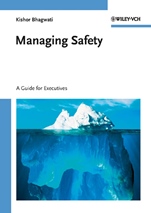
Managing Safety: A Guide for Executives
ISBN 9783527315833
Autor: Kishor Bhagwati
Wydawca: Wiley
Dostępność: 3-6 tygodni
Cena: 584,85 zł
Przed złożeniem zamówienia prosimy o kontakt mailowy celem potwierdzenia ceny.
ISBN13: |
9783527315833 |
ISBN10: |
3527315837 |
Autor: |
Kishor Bhagwati |
Oprawa: |
Hardback |
Rok Wydania: |
2006-10-10 |
Ilość stron: |
235 |
Wymiary: |
243x176 |
Tematy: |
KJ |
What are accidents? Are they just statistics that your safety department sends to you monthly and which you glance over and ask yourself whether the safety professional you have employed is doing his job right?
Aimed primarily at top and middle management, this book adopts the new approach to preventing serious incidents rather than minimal compliance with regulations. It takes you step–by–simple–step to show how accidents can be avoided with little effort and money, allowing you to reap the rewards such an injury–free culture brings: higher worker morale, better product quality, and maximum productivity. Plus the inner satisfaction of reaching a goal that is worth striving for, namely zero accidents.
Kishor Bhagwati studied chemistry and physics in Bombay, and chemical engineering in Germany. He worked several years as project engineer, development chemist, project manager, plant manager, government relations manager, chief product steward and director of environment, health and safety for the European division of a major US chemical company. After that he started consulting in safety and environmental management. He has given many lectures and seminars, has taught at universities, was Chairman of the European Safety Council, and works today as an independent consultant for safety and environmental management near Lausanne in Switzerland.
Spis treści:
Preface.
1. Introduction.
2. Consequences of Accidents.
1. The victim himself.
2. His family.
3. His colleagues.
4. His superiors.
5. The worker morale.
6. The company.
3. A Small Experiment.
Step 1.
Step 2.
Step 3.
Results.
4. Man or Machine?
Bhopal, India.
Chernobyl.
“The Herald of Free Enterprise”.
5. Why Do Accidents Happen?
6. The Underlying Reasons.
7. How to Make People not Take Risks.
8. The Myths of Management.
9. W
ho “Makes” Safety?
W.hat is the Safety Professional responsible for?
1. Improving the attitude of workers towards safety.
2. Keeping the managers’ heads free of all safety matters.
3. Discovering the need for safety training programmes of individuals.
4. Organising site–wide safety seminars on selected topics.
5. Writing the Company Safety Policy.
6. Checking for compliance with Site Safety Policy.
7. Bearing responsibility for site safety performance.
8. Investigating all accidents at site and writing investigation reports.
9. Coordinating safety activities of the site.
10. Chairing the Central Safety Committee.
11. Participating in and coordinating outside safety audits.
12. Being the information source for safety–related legislation and appliances.
13. Being the advisor to management on safety issues.
Conclusion.
10. Management Tools.
11. Pillar 1: Total Management Commitment.
1. Interest.
2. Involvement.
3. Investment.
12. Pillar 2: Safety Visits – The Basics.
13. Safety Visits – The System.
14. Safety Visits – The Procedure.
1. Follow all safety rules.
2. Build a Safety–visit Team.
3. Entering the area to be visited.
4. Approaching a worker.
5. The talking sequence.
6. Noting down.
7. Thanking the worker.
8. Report writing.
15. The Art of Talking.
16. Pillar 3: Involving the Worker.
17. Brainstorming.
1. Criticism.
2. Free–wheeling.
3. Quantity.
4. Refining the information.
18. Pillar 4: Accident Investigation.
19. The Methodology of an Accident Investigation.
1. When to start investigating?
2. The investigation team.
3. The investigating team leader.
4. No culprit is to be sought.
5. The investigation report.
20. The Art of Questioning.
21. Accident or Incident?
22. Res
ponsibility & Authority.
23. The Safety Committees.
24. Lock Out – Tag Out.
25. Communications.
26. Other Managerial Tools.
The Permit–to–Work System.
Operating Procedures.
Contractors.
Rewards and Incentives.
27. How to Proceed.
To Do List for the Top Management.
To Do List for the Middle Management in Production.
To Do List for Nonproduction Management (HR, IT, Finance, etc.).
Appendix 1: Understanding the Numbers in Safety Statistics.
Appendix 2: Job Description of a Safety Professional.
Appendix 3: Safety Visit Reports.
Appendix 4: Accident Investigation Reports.
Appendix 5: About audit and audits.
Appendix 6: Safety Visit Control Sheet.
Index.
Nota biograficzna:
Kishor Bhagwati studied chemistry and physics in Bombay, and chemical engineering in Germany. He worked several years as project engineer, development chemist, project manager, plant manager, government relations manager, chief product steward and director of environment, health and safety for the European division of a major US chemical company. After that he started consulting in safety and environmental management. He has given many lectures and seminars, has taught at universities, was Chairman of the European Safety Council, and works today as an independent consultant for safety and environmental management near Lausanne in Switzerland. bhagwati@bluewin.ch
Okładka tylna:
What are accidents? Are they just statistics that your safety department sends to you monthly and which you glance over and ask yourself whether the safety professional you have employed is doing his job right?
Aimed primarily at top and middle management, this book adopts the new approach to preventing serious incidents rather than minimal compliance with regulations. It takes you step–by–simpl
e–step to show how accidents can be avoided with little effort and money, allowing you to reap the rewards such an injury–free culture brings: higher worker morale, better product quality, and maximum productivity. Plus the inner satisfaction of reaching a goal that is worth striving for, namely zero accidents.
Kishor Bhagwati studied chemistry and physics in Bombay, and chemical engineering in Germany. He worked several years as project engineer, development chemist, project manager, plant manager, government relations manager, chief product steward and director of environment, health and safety for the European division of a major US chemical company. After that he started consulting in safety and environmental management. He has given many lectures and seminars, has taught at universities, was Chairman of the European Safety Council, and works today as an independent consultant for safety and environmental management near Lausanne in Switzerland.
Koszyk
Książek w koszyku: 0 szt.
Wartość zakupów: 0,00 zł
Informacje


Kontakt
Gambit
Centrum Oprogramowania
i Szkoleń Sp. z o.o.
Al. Pokoju 29b/22-24
31-564 Kraków
Siedziba Księgarni
ul. Kordylewskiego 1
31-542 Kraków
+48 12 410 5991
+48 12 410 5987
+48 12 410 5989
Subskrypcje
Administratorem danych osobowych jest firma Gambit COiS Sp. z o.o. Na podany adres będzie wysyłany wyłącznie biuletyn informacyjny.
Autoryzacja płatności

Informacje na temat autoryzacji płatności poprzez PayU.

© Copyright 2012: GAMBIT COiS Sp. z o.o. Wszelkie prawa zastrzeżone.
Projekt i wykonanie: Alchemia Studio Reklamy