


Wydawcy
Katalog tematyczny
- Archeologia (109)
- Ekonomia, finanse, business (13704)
- Filozofia (1445)
- Historia (3040)
- Języki i językoznawstwo (2356)
- Lifestyle, hobby i rozrywka (475)
- Medycyna (9704)
- Nauki humanistyczne (4)
- Nauki o Ziemi i środowisku (2638)
- Nauki ścisłe (20412)
- Astronomia (294)
- Biologia (5119)
- Chemia (6540)
- Chemia analityczna (361)
- Chemia fizyczna (346)
- Chemia nieorganiczna (137)
- Chemia organiczna (535)
- Krystalografia (27)
- Minerologia (46)
- Fizyka (3309)
- Matematyka (4574)
- Nauki ścisłe, ogólnie (503)
- Nauki społeczne (8486)
- Nauki techniczne (13450)
- Prawo (1696)
- Publikacje informacyjne i interdyscyplinarne (1288)
- Religia i wierzenia (917)
- Technika komputerowa (4067)
- Zdrowie, relacje międzyludzkie i rozwój osobisty (657)





Informacje szczegółowe o książce
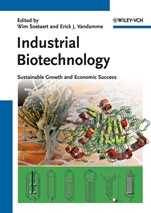
Industrial Biotechnology: Sustainable Growth and Economic Success
ISBN 9783527314423
Autor: Wim Soetaert, Erick J. Vandamme
Wydawca: Wiley
Dostępność: 3-6 tygodni
Cena: 882,00 zł
Przed złożeniem zamówienia prosimy o kontakt mailowy celem potwierdzenia ceny.
ISBN13: |
9783527314423 |
ISBN10: |
3527314423 |
Autor: |
Wim Soetaert, Erick J. Vandamme |
Oprawa: |
Hardback |
Rok Wydania: |
2010-04-21 |
Ilość stron: |
522 |
Wymiary: |
251x179 |
Tematy: |
PN |
Industrial Biotechnology, also referred to as "White Biotechnology", is a green and clean technology based on renewable resources, with promising increased conversion efficiency and specificity, less waste generation, lower energy consumption and reduced greenhouse gas emission.
Describing most of the topics on white biotechnology admitted to the 7th EU Framework Program as well as new industrial production processes aiming towards reaching the Kyoto objectives, this comprehensive textbook covers the enabling sciences and technologies, the application domains, as well as the economic potential and societal impact.
From the contents:
∗ History of industrial biotechnology
∗ Use of renewable versus fossil resources
∗ Systems microbial biotechnology
∗ Metabolic engineering and modeling
∗ Fermentation technologies
∗ Directed evolution and production of of industrial enzymes
∗ Nanobiotechnology
∗ Downstreamprocessing
∗ Chemicals and biopharmaceuticals
∗ Food and feed
∗ Paper and pulp
∗ Fuels from biomass
∗ Enviromental, economic and societal aspects
This comprehensive text is primarily directed at readers with a general interest in Industrial Biotechnology. It is equally very suitable as an introductory handbook to students , scientists and academics as well as researchers and engineers now active in a wide range of industries, including the bulk, fine and petrochemical sector, biotechnology and pharmaceutical companies, the personal care sector, the food and feed industries, agriculture and biorefineries, the paper and pulp sector, energy and fuel production and many more.
Spis treści:
Preface
THE SCOPE AND IMPACT OF INDUSTRIAL BIOTECHNOLOGY
HISTORY OF INDUSTRIAL BIOTECHNOLOGY
Early History
The Penicillin Story
The Coming of the Cephalosporins
The Waksman Era
Strain Improvement
Semi–Synthetic Antibiotics to Combat Resistant Microbes
The Primary Metabolites
The Shift from Antibiotics to Pharmacological Agents
The Biopharmaceutical Revolution
Recombinant Hosts
Enzymes
Bioconversions
Vaccines
Systems Microbiology
INDUSTRIAL SYSTEMS BIOLOGY
Introduction
Industrial Biotechnology
Market Drivers for Industrial Biotechnology
Industrial Systems Biology
Metabolic Models
Reconstructed Metabolic Network Models
Industrial Systems Biology Case Studies
Conclusion and Future Perspectives
FERMENTATION TECHNOLOGY
Introduction
Types of Fermentations
Fermentation Process
Fermentation Medium Design
sterilization of Air and Fermentation Medium
Environmental Factors
Fermentation Kinetics
Fermentation Equipment
Recovery of Fermentation Products
Concluding Remarks
DIRECTED EVOLUTION OF INDUSTRIAL BIOCATALYSTS
Introduction
Strategies for Protein Design
Assay Systems
Examples
Conclusions
THE INDUSTRIAL PRODUCTION OF ENZYMES
Introduction
Enzyme Production
Enzyme Improvement
Large–Scale Enzyme Applications
Conclusions
APPLIED BIOCATALYSIS: AN OVERVIEW
Introduction
The Design of the Bioconversion System
Bioreactors
Rationalizing and Speeding Up the Development and Characterization of a Bioconversion Process
Concluding Remarks
NANOBIOTECHNOLOGY
Setting the Stage
Industrial Perspective
Nanotechnology in Biology and Biochemistry
Biomimicry
Materials and Products
Processes and Devices
Outlook
DOWNSTREAM PROCESSING IN INDUSTRIAL BIOTECHNOLOGY
Introduction
Separations in Industrial Biotechnology
Examples of Downstream Processing of Different Product Groups
INDUSTRIAL BIOTECHNOLOGY IN THE CHEMICAL AND PHARMACEUTICAL INDUSTRIES
Introduction
Biocatalytic Processes: Scientific and Technological Perspectives
Biocatalytic Processes: Business and Commercial Perspective
Safety, Health
, and the Environmental Perspective
Outlook
INDUSTRIAL BIOTECHNOLOGY IN THE FOOD AND FEED SECTOR
Introduction
Food Applications
Food and Feed Applications
Feed Applications
INDUSTRIAL BIOTECHNOLOGY IN THE PAPER AND PULP SECTOR
Introduction
Enzymes for the Pulp and Paper Industry
Enzymes as Process Aids
Enzymes for Product Design
Biorefinery Concepts
Conclusions
BIOFUELS: PRODUCTION AND APPLICATIONS
A Renewed Interest in Biofuels
Present Conversion Pathways
Biodiesel Production from Vegetable Oils and Fats
Ethanol and ETBE Production
The Need for New Developments
Lignocellulosic Biomass Resources
Production of Ethanol from Lignocellulosic Biomass
Production of Biofuels Through the Thermochemical Pathway
Biorefineries
Biofuels and Sustainability
Conclusion
ENVIRONMENTAL AND ECONOMIC ASPECTS OF INDUSTRIAL BIOTECHNOLOGY
Introduction
Methodology
Overall Results
Conclusions
SOCIETAL ISSUES IN INDUSTRIAL BIOTECHNOLOGY
Introduction
The Impact of Industrial Biotechnology
Public Perceptions of Industrial Biotechnology
Societal Issues in Industrial Biotechnology
Conclusions and Discussions: A Joint Agenda for the Smooth Introduction of Acceptable Sustainable Industrial Biotechnology
Nota biograficzna:
Professor Wim Soetaert is a Professor of Biotechnology at the University of Ghent, Belgium. After being awarded his PhD in 1991, he started his career in industry as research director of large agro–industrial companies in Germany and France. He then moved to Ghent University in 2003 to become full professor at the Center of Expertise InBio.be. He is vice–chairman of the biocatalysis section within the European Federation of Biotechnology (ESAB). Prof. Soetaert is the founder and chairman of Ghent Bio–Energy Valley and the bio Base Europe Pilot Plant, an open innovation pilot plant for biobased products and processes.
Professor Eric
k J. Vandamme is Emeritus Professor at the Laboratory of Industrial Microbiology and Biocatalysis, Ghent University, Belgium, where he received his MSc, PhD and DSc in molecular biology, fermentation science and industrial biotechnology, respectively. He held postdoctoral positions at Oxford University, UK, MIT, Cambridge, USA, and at the University of London, UK. Professor Vandamme has edited or c–edited 12 reference books, written over 400 papers, holds several patents, and serves on the editorial boards of a number of journals. He has been awarded three honorary doctorates, and is the recipient of national and international scientific awards. He is an Elected Fellow of the American Academy of Microbiology and of the Society for Industrial Microbiology, has served on the boards of several European microbiological societies and is a member of the Royal Flemish Academy of Belgium for Science and the Arts.
Okładka tylna:
Industrial Biotechnology, also referred to as "White Biotechnology", is a green and clean technology based on renewable resources, with promising increased conversion efficiency and specificity, less waste generation, lower energy consumption and reduced greenhouse gas emission.
Describing most of the topics on white biotechnology admitted to the 7th EU Framework Program as well as new industrial production processes aiming towards reaching the Kyoto objectives, this comprehensive textbook covers the enabling sciences and technologies, the application domains, as well as the economic potential and societal impact.
From the contents:
∗ History of industrial biotechnology
∗ Use of renewable versus fossil resources
∗ Systems microbial biotechnology
∗ Metabolic engineering and modeling
∗ Fermentation technologies
∗ Directed evolution and production of of industrial enzymes
∗ Nanobiotechnology
∗ Downstreamprocessing
∗ Che
micals and biopharmaceuticals
∗ Food and feed
∗ Paper and pulp
∗ Fuels from biomass
∗ Enviromental, economic and societal aspects
This comprehensive text is primarily directed at readers with a general interest in Industrial Biotechnology. It is equally very suitable as an introductory handbook to students , scientists and academics as well as researchers and engineers now active in a wide range of industries, including the bulk, fine and petrochemical sector, biotechnology and pharmaceutical companies, the personal care sector, the food and feed industries, agriculture and biorefineries, the paper and pulp sector, energy and fuel production and many more.
Koszyk
Książek w koszyku: 0 szt.
Wartość zakupów: 0,00 zł
Informacje


Kontakt
Gambit
Centrum Oprogramowania
i Szkoleń Sp. z o.o.
Al. Pokoju 29b/22-24
31-564 Kraków
Siedziba Księgarni
ul. Kordylewskiego 1
31-542 Kraków
+48 12 410 5991
+48 12 410 5987
+48 12 410 5989
Subskrypcje
Administratorem danych osobowych jest firma Gambit COiS Sp. z o.o. Na podany adres będzie wysyłany wyłącznie biuletyn informacyjny.
Autoryzacja płatności

Informacje na temat autoryzacji płatności poprzez PayU.

© Copyright 2012: GAMBIT COiS Sp. z o.o. Wszelkie prawa zastrzeżone.
Projekt i wykonanie: Alchemia Studio Reklamy