


Wydawcy
Katalog tematyczny
- Archeologia (109)
- Ekonomia, finanse, business (13704)
- Filozofia (1445)
- Historia (3040)
- Języki i językoznawstwo (2356)
- Lifestyle, hobby i rozrywka (475)
- Medycyna (9704)
- Nauki humanistyczne (4)
- Nauki o Ziemi i środowisku (2638)
- Nauki ścisłe (20412)
- Astronomia (294)
- Biologia (5119)
- Chemia (6540)
- Chemia analityczna (361)
- Chemia fizyczna (346)
- Chemia nieorganiczna (137)
- Chemia organiczna (535)
- Krystalografia (27)
- Minerologia (46)
- Fizyka (3309)
- Matematyka (4574)
- Nauki ścisłe, ogólnie (503)
- Nauki społeczne (8486)
- Nauki techniczne (13450)
- Prawo (1696)
- Publikacje informacyjne i interdyscyplinarne (1288)
- Religia i wierzenia (917)
- Technika komputerowa (4067)
- Zdrowie, relacje międzyludzkie i rozwój osobisty (657)





Informacje szczegółowe o książce
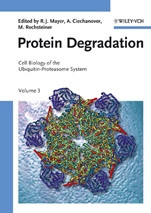
Cell Biology of the Ubiquitin–Proteasome System: Volume 3
ISBN 9783527314355
Autor: R. John Mayer, Aaron J. Ciechanover, Martin Rechsteiner
Wydawca: Wiley
Dostępność: 3-6 tygodni
Cena: 1 151,85 zł
Przed złożeniem zamówienia prosimy o kontakt mailowy celem potwierdzenia ceny.
ISBN13: |
9783527314355 |
ISBN10: |
3527314350 |
Autor: |
R. John Mayer, Aaron J. Ciechanover, Martin Rechsteiner |
Oprawa: |
Hardback |
Rok Wydania: |
2006-10-06 |
Ilość stron: |
252 |
Wymiary: |
244x177 |
Tematy: |
PN |
Protein degradation is a major component in cellular metabolism, regulating numerous cell functions, such as the removal of misfolded proteins, growth and cell division, DNA repair, the immune response and the stress response to emergency conditions.
This third volume in the series discusses the role of ubiquitin–mediated protein breakdown in cellular regulation and physiology.
Drawing on the combined knowledge of the world′s leading protein degradation experts, this handy reference includes information ondeubiquitylating enzymestyrosine kinase receptorsthe COP9/signalosome complexregulation of the NFKB systemubiquitin in transcription, DNA monitoring and repair, and peroxisomesendocytosis and membrane traffickingthe ubiquitin–proteasome system in plants and muscle development.
Required reading for molecular biologists, cell biologists and physiologists with an interest in the topic.
Spis treści:
Preface.
List of Contributors.
1 Ubiquitin: A New Player in the Peroxisome Field (Astrid Kragt, Rob Benne, and Ben Distel).
1.1 Introduction.
1.2 Matrix Protein Import into Peroxisomes is Mediated by Cycling Receptors.
1.3 Pex5p is Monoubiquitinated in Wild–type Cells, but Polyubiquitinated in Late–acting pex Mutants.
1.4 Ubiquitination of Pex18p.
1.5 Role for the RING Finger and AAA Peroxins in Pex5p Ubiquitination and Recycling.
1.6 Pex5p Monoubiquitination: A Role in Receptor Recycling.
1.7 Conclusions/Future Prospects.
Acknowledgements.
References.
2 The Ubiquitin Proteasome System and Muscle Development (Johnny Kim and Thorsten Hoppe).
2.1 Introduction.
2.2 Muscle Histology.
2.3 UPS and Developing Muscle.
2.4 UPS and Organizing Muscle.
2.5 UPS and Muscle Destruction or Degeneration.
2.6 Concluding Remarks.
References.
3 The COP9 Signalosome: Structural and Biochemical Conserv
ation and Its Roles in the Regulation of Plant Development (Vicente Rubio and Xing Wang Deng).
3.1 Introduction.
3.2 The Plant COP9 Signalosome.
3.3 CSN Involvement in the Ubiquitinâ Proteasome Pathway.
3.4 Plant CSN Biochemical Activities.
3.5 CSN Functions in Plant Development.
3.6 Conclusions.
References.
4 Ubiquitin and Protein Sorting to the Lysosome (John McCullough, Michael J. Clague, and Sylvie Urbé).
4.1 Introduction.
4.2 Identification of Ubiquitin as an Endosomal Sorting Signal.
4.3 Ubiquitin–mediated Sorting at the Endosome: The MVB Sorting Machinery.
4.4 Ubiquitin Ligases and Endosomal Sorting.
4.5 Endosomal DUBs.
4.6 Polyubiquitin Linkages and Endocytosis.
4.7 Future Directions.
Acknowledgements.
References.
5 ISG15–dependent Regulation (Arthur L. Haas).
5.1 Introduction and Overview.
5.2 The Discovery of ISG15.
5.3 Structure and Properties of the ISG15 Protein.
5.4 The ISG15 Conjugation Pathway.
5.5 Regulation of Intracellular ISG15 Pools.
5.6 Functional Roles for ISG15.
5.7 Perspective.
Acknowledgements.
References.
6 The Role of the Ubiquitinâ Proteasome Pathway in the Regulation of the Cellular Hypoxia Response (Koh Nakayama and Zeâ ev Ronai).
6.1 Overview of the Hypoxia Response.
6.2 Players in the Hypoxia–response Signalling Pathway.
6.3 pVHL–dependent Degradation of HIF–1a.
6.4 Siah–dependent Regulation of PHD.
6.5 Other Examples of Altered Ubiquitination During Hypoxia.
6.6 Ischemia Model.
6.7 Regulation of the Ubiquitin System in Hypoxia.
6.8 Concluding Remarks.
References.
7 p97 and Ubiquitin: A Complex Story (Louise C. Briggs, Ingrid Dreveny, Valerie E. Pye, Fabienne Beuron, Ciarán McKeown, Xiaodong Zhang, and Paul S. Freemont).
Abstract.
7.1 Introduction.
7.2 Interactions
of Ubiquitin, p97 and Adaptors.
7.3 The Cellular Roles of p97 and Ubiquitin.
7.4 The Action of p97.
7.5 When Things Go Wrong: p97 in Disease.
7.6 Conclusions.
Acknowledgments.
References.
8 Cdc48 (p97) and Its Cofactors (Alexander Buchberger).
8.1 Introduction.
8.2 Cdc48 Cofactors.
8.3 Cellular Functions.
8.4 Outlook.
Acknowledgements.
References.
9 Deubiquitinating Enzymes, Cell Proliferation, and Cancer (Rohan T. Baker).
9.1 Introduction.
9.2 DUBs, Oncogenes, and Cell Transformation.
9.3 Conclusions and Perspectives.
References.
Index.
Nota biograficzna:
John Mayer obtained his MS and PhD degrees from the University of Birmingham (UK). He is currently serving as Professor of Biochemistry at the School of Biomedical Sciences at Nottingham University.
For the past 30 years, he has investigated intracellular proteolysis and particularly the ubiquitin/proteasome system. Presently, he is particularly interested in intracellular proteolysis in relation to neurodegenerative illnesses.
Aaron Ciechanover obtained his MD from the Hebrew University in Jerusalem (Israel), and his PhD from the Technion–Israel Institute of Technology in Haifa, where he is presently serving as Professor of Biochemistry. Professor Ciechanover is known for his discovery of the first ubiquitin system mutant cell, demonstrating the role of the ubiquitin–proteasome proteolytic system in protein degradation in vivo. In 2004, he has received the Nobel Prize in Chemistry for his ground–breaking work on the ubiquitin–proteasome system.
Martin Rechsteiner is Professor of Biochemistry at the University of Utah in Salt Lake City (USA). He is interested in the proteasome component of the ubiquitin–proteasome pathway. He has identified several key regulators of proteasome function and is currently working on their structural and functional el
ucidation.
Okładka tylna:
Protein degradation is a major component in cellular metabolism, regulating numerous cell functions, such as the removal of misfolded proteins, growth and cell division, DNA repair, the immune response and the stress response to emergency conditions.
This third volume in the series discusses the role of ubiquitin–mediated protein breakdown in cellular regulation and physiology.
Drawing on the combined knowledge of the world′s leading protein degradation experts, this handy reference includes information ondeubiquitylating enzymestyrosine kinase receptorsthe COP9/signalosome complexregulation of the NFKB systemubiquitin in transcription, DNA monitoring and repair, and peroxisomesendocytosis and membrane traffickingthe ubiquitin–proteasome system in plants and muscle development.
Required reading for molecular biologists, cell biologists and physiologists with an interest in the topic.
Koszyk
Książek w koszyku: 0 szt.
Wartość zakupów: 0,00 zł
Informacje


Kontakt
Gambit
Centrum Oprogramowania
i Szkoleń Sp. z o.o.
Al. Pokoju 29b/22-24
31-564 Kraków
Siedziba Księgarni
ul. Kordylewskiego 1
31-542 Kraków
+48 12 410 5991
+48 12 410 5987
+48 12 410 5989
Subskrypcje
Administratorem danych osobowych jest firma Gambit COiS Sp. z o.o. Na podany adres będzie wysyłany wyłącznie biuletyn informacyjny.
Autoryzacja płatności

Informacje na temat autoryzacji płatności poprzez PayU.

© Copyright 2012: GAMBIT COiS Sp. z o.o. Wszelkie prawa zastrzeżone.
Projekt i wykonanie: Alchemia Studio Reklamy