


Wydawcy
Katalog tematyczny
- Archeologia (109)
- Ekonomia, finanse, business (13704)
- Filozofia (1445)
- Historia (3040)
- Języki i językoznawstwo (2356)
- Lifestyle, hobby i rozrywka (475)
- Medycyna (9704)
- Chirurgia (272)
- Inne gałęzie medycyny (1871)
- Medycyna kliniczna (4187)
- Medycyna niekonwencjonalna (14)
- Medycyna przedkliniczna (269)
- Medycyna, ogólnie (1740)
- Historia medycyny (3)
- Lekarze, sprawy zawodowe (8)
- Medycyna, aspekty prawne (10)
- Służba zdrowia (36)
- Wyposażenie medyczne (157)
- Zdrowie publiczne (460)
- Medyczne służby pomocnicze (745)
- Studia medyczne (16)
- Weterynaria (548)
- Nauki humanistyczne (4)
- Nauki o Ziemi i środowisku (2638)
- Nauki ścisłe (20412)
- Nauki społeczne (8486)
- Nauki techniczne (13450)
- Prawo (1696)
- Publikacje informacyjne i interdyscyplinarne (1288)
- Religia i wierzenia (917)
- Technika komputerowa (4067)
- Zdrowie, relacje międzyludzkie i rozwój osobisty (657)





Informacje szczegółowe o książce
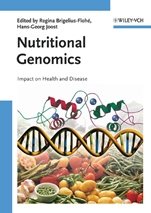
Nutritional Genomics: Impact on Health and Disease
ISBN 9783527312948
Autor: Regina Brigelius–Flohé, Hans–Georg Joost
Wydawca: Wiley
Dostępność: 3-6 tygodni
Cena: 665,70 zł
Przed złożeniem zamówienia prosimy o kontakt mailowy celem potwierdzenia ceny.
ISBN13: |
9783527312948 |
ISBN10: |
3527312943 |
Autor: |
Regina Brigelius–Flohé, Hans–Georg Joost |
Oprawa: |
Hardback |
Rok Wydania: |
2006-02-03 |
Ilość stron: |
470 |
Wymiary: |
246x180 |
Tematy: |
MB |
Nutritional genomics is a highly innovative and fast–growing field, linking genome research, plant biotechnology and molecular nutritional research. It covers nutrigenomics, which explores the effects of nutrients on the genome, proteome and metabolome, as well as nutrigenetics, the major goal of which is to elucidate the effect of genetic variation on the interaction between diet and disease. Nutritional genomics thus paves the way for novel applications in medicine and human nutrition.
This book presents the latest data on how genetic variation is associated with dietary response and how nutrients influence gene expression, bringing together the various disciplines involved in research. The result is essential reading for nutritionists, biochemists and molecular biologists.
Spis treści:
Foreword.
Preface.
Contributors.
List of Abbreviations.
PART I: INTRODUCTION–DEFINITIONS.
Chapter 1. Nutritional Genomics: Concepts, Tools and Expectations (H. Daniel & U. Wenzel).
PART II: NUTRIGENOMICS (NUTRIENT–GENE INTERACTIONS).
Chapter 2. Nuclear Receptors: An Overview (A. Aranda & A. Pascual).
Chapter 3. Mechanism of Action and Cancer Therapeutic Potential of Retinoid (E. Voltz, et al.).
Chapter 4. Nuclear Receptors and the Control of Gene Expression by Fatty Acids (J. Pégorier).
Chapter 5. Cellular Adaptation to Amino Acid Availability: Mechanisms Involved in the Regulation of Gene Expression (A. Bruhat, et al.).
Chapter 6. Transcriptional Regulation of Hepatic Genes by Insulin and Glucose (C. Postic & F. Foufelle).
Chapter 7. PPARs: Lipid Sensors that regulate Cell Differentiation Processes (F. Varnat, et al.).
Chapter 8. Advances in Selenoprotein Expression: Patterns and Individual Variations (C. Méplan, et al.).
Chapter 9. PPARs in Atherosclerosis (H. Duez, et al.).
Chapter 10. Protein Synthesis and Cancer (A. Bader & P. Vogt).
Chapter 11.
Mutation sin the PPARy Gene Relevant for Diabetes and the Metabolic Syndrome (M. Laakso).
Chapter 12. Regulation of Lipogenic Genes in Obesity (S. Mandard & S. Kersten).
PART III: NUTRIGENETICS (NUTRIENT–GENOTYPE INTERACTIONS).
Chapter 13. The Genetics of Type 2 Diabetes (C. Stevenson, et al.).
Chapter 14. Gene Variants and Obesity G. Brönner, et al.).
Chapter 15. Gene Polymorphisms, Nutrition, and the Inflammatory Response (R. Grimble).
Chapter 16. Gene Variants, Nutritional Parameters, and Hypertension (M. Gong & N. Hübner).
Chapter 17. Gene Variants, Nutrition, and Cancer (J. Little & L. Sharp).
Chapter 18. Taste receptors and Their Variants (B. Bufe & W. Meyerhof).
Chapter 19. Cancer and Gene Variants in Enzymes Metabolizing Dietary Xenobiotics (S. Nowell & F. Kadlubar).
Index.
Nota biograficzna:
Professor Regina Brigelius–Flohe is the head of the Department of Biochemistry of Micronutrients in the German Institute of Human Nutrition, Potsdam, Germany. Prior to her position in this institute, she worked in industry in the Center of Research of Gruenenthal GmbH and in the Institute for Molecular Pharmacology in Hannover, Germany. Her work has focused on understanding the mechanisms by which small nutrient molecules such as selenium and vitamin E contribute to human health
Professor Hans–Georg Joost was made scientific director of the German Institute of Human Nutrition in 2002. Throughout his career he has published more than 100 peer–reviewed papers, with a primary focus on obesity research.
Okładka tylna:
Nutritional genomics is a highly innovative and fast–growing field, linking genome research, plant biotechnology and molecular nutritional research. It covers nutrigenomics, which explores the effects of nutrients on the genome, proteome and metabolome, as well as nutrigenetics, the major
goal of which is to elucidate the effect of genetic variation on the interaction between diet and disease. Nutritional genomics thus paves the way for novel applications in medicine and human nutrition.
This book presents the latest data on how genetic variation is associated with dietary response and how nutrients influence gene expression, bringing together the various disciplines involved in research. The result is essential reading for nutritionists, biochemists and molecular biologists.
Koszyk
Książek w koszyku: 0 szt.
Wartość zakupów: 0,00 zł
Informacje


Kontakt
Gambit
Centrum Oprogramowania
i Szkoleń Sp. z o.o.
Al. Pokoju 29b/22-24
31-564 Kraków
Siedziba Księgarni
ul. Kordylewskiego 1
31-542 Kraków
+48 12 410 5991
+48 12 410 5987
+48 12 410 5989
Subskrypcje
Administratorem danych osobowych jest firma Gambit COiS Sp. z o.o. Na podany adres będzie wysyłany wyłącznie biuletyn informacyjny.
Autoryzacja płatności

Informacje na temat autoryzacji płatności poprzez PayU.

© Copyright 2012: GAMBIT COiS Sp. z o.o. Wszelkie prawa zastrzeżone.
Projekt i wykonanie: Alchemia Studio Reklamy