


Wydawcy
Katalog tematyczny
- Archeologia (109)
- Ekonomia, finanse, business (13704)
- Filozofia (1445)
- Historia (3040)
- Języki i językoznawstwo (2356)
- Lifestyle, hobby i rozrywka (475)
- Medycyna (9704)
- Nauki humanistyczne (4)
- Nauki o Ziemi i środowisku (2638)
- Nauki ścisłe (20412)
- Nauki społeczne (8486)
- Nauki techniczne (13450)
- Prawo (1696)
- Publikacje informacyjne i interdyscyplinarne (1288)
- Religia i wierzenia (917)
- Technika komputerowa (4067)
- Zdrowie, relacje międzyludzkie i rozwój osobisty (657)





Informacje szczegółowe o książce
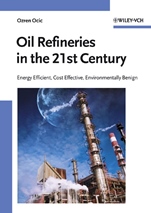
Oil Refineries in the 21st Century: Energy Efficient, Cost Effective, Environmentally Benign
ISBN 9783527311941
Autor: Ozren Ocic
Wydawca: Wiley
Dostępność: 3-6 tygodni
Cena: 638,40 zł
Przed złożeniem zamówienia prosimy o kontakt mailowy celem potwierdzenia ceny.
ISBN13: |
9783527311941 |
ISBN10: |
3527311947 |
Autor: |
Ozren Ocic |
Oprawa: |
Hardback |
Rok Wydania: |
2004-11-26 |
Ilość stron: |
166 |
Wymiary: |
247x178 |
Tematy: |
KM |
How to improve energy efficiency and cost effectiveness in petroleum processing.
Intensified global competition among refineries together with declining oil reserves is leading to a fewer and larger production sites and forcing operators to optimize both costs and energy consumption. However, these tasks are unattainable without precise knowledge of the economic and technological fundamentals of refining crude oil.
Here, the author provides a detailed and well–founded approach to the methodology, information and criteria necessary for analyzing energy use, economics and the environmental impact, as well as practical solutions for fulfilling the requirements of the Kyoto agreement. In addition, he describes in sufficient detail the energy streams within a refinery.
From the contents:Technological and Energy Characteristics of Chemical Process IndustryEconomic and Technological Aspects of Oil RefineriesInstruments for Determining Energy and Processing Efficiency ofCrude DistillationVacuum DistillationVacuum Residue VisbreakingBitumen BlowingCatalytic ReformingCatalytic CrackingGas ConcentrationJet Fuel HydrodesulphurizationGas Oil HydrodesulphurizationAlkylation
A practical guide for refinery engineers, managers, and consultants, as well as all engineers involved in the design of process technologies, in developed as well as developing countries.
Spis treści:
Preface.
1 Introduction.
2 Technological and Energy Characteristics of the Chemical Process Industry.
2.1 Possibilities for Process–Efficiency Management Based on Existing Economic and Financial Instruments and Product Specifications in Coupled Manufacturing.
2.2 Importance of Energy for Crude–Oil Processing in Oil Refineries.
3 Techno–economic Aspects of Efficiency and Effectiveness of an Oil Refinery.
3.1 Techno–economic Aspects of E
nergy Efficiency and Effectiveness in an Oil Refinery.
3.2 Techno–economic Aspects of Process Efficiency and Effectiveness in an Oil Refinery.
4 Instruments for Determining Energy and Processing Efficiency of an Oil Refinery.
4.1 Instruments for Determining Energy and Processing Efficiency of Crude Distillation Unit.
4.2 Instruments for Determining Energy and Processing Efficiency of Vacuumdistillation Unit.
4.3 Instruments for Determining Energy and Processing Efficiency of Vacuumresidue Visbreaking Unit.
4.4 Instruments for Determining Energy and Processing Efficiency of Bitumen Blowing Unit.
4.5 Instruments for Determining Energy and Processing Efficiency of Catalytic Reforming Unit.
4.6 Instruments for Determining Energy and Processing Efficiency of Catalytic Cracking Unit.
4.7 Instruments for Determining Energy and Processing Efficiency of Gas Concentration Unit.
4.8 Instruments for Determining Energy and Processing Efficiency of Jet–fuel Hydrodesulfurization Unit.
4.9 Instruments for Determining Energy and Processing Efficiency of Gas–Oil Hydrodesulfurization Unit.
4.10 Instruments for Determining Energy and Processing Efficiency of Alkylation Unit.
5 Blending of Semi–Products into Finished Products and Determining Finished Product Cost Prices.
6 Management in the Function of Increasing Energy and Processing Efficiency and Effectiveness.
6.1 Management in the Function of Increasing Energy Efficiency and Effectiveness.
6.2 Management in the Function of Increasing Processing Efficiency and Effectiveness.
References.
Subject Index.
Nota biograficzna:
Dr Ozren Ocic, Chemical Engineer, is employed in NIS–Oil Refinery Pancevo, Serbia, as Development Manager. He has over 25 years of experience in oil processing. He holds a Master Degree ("Technical and Economic Aspects of Energy Consumption Rationalization in Oil Processing
Industry") and PhD
("Plant Energy Management as a Segment of Environmental Management in Oil Refineries") in chemical engineering from the University of Belgrade. He has published three books and more than 120 papers.
Okładka tylna:
How to improve energy efficiency and cost effectiveness in petroleum processing.
Intensified global competition among refineries together with declining oil reserves is leading to a fewer and larger production sites and forcing operators to optimize both costs and energy consumption. However, these tasks are unattainable without precise knowledge of the economic and technological fundamentals of refining crude oil.
Here, the author provides a detailed and well–founded approach to the methodology, information and criteria necessary for analyzing energy use, economics and the environmental impact, as well as practical solutions for fulfilling the requirements of the Kyoto agreement. In addition, he describes in sufficient detail the energy streams within a refinery.
From the contents:Technological and Energy Characteristics of Chemical Process IndustryEconomic and Technological Aspects of Oil RefineriesInstruments for Determining Energy and Processing Efficiency ofCrude DistillationVacuum DistillationVacuum Residue VisbreakingBitumen BlowingCatalytic ReformingCatalytic CrackingGas ConcentrationJet Fuel HydrodesulphurizationGas Oil HydrodesulphurizationAlkylation
A practical guide for refinery engineers, managers, and consultants, as well as all engineers involved in the design of process technologies, in developed as well as developing countries.
Koszyk
Książek w koszyku: 0 szt.
Wartość zakupów: 0,00 zł
Informacje


Kontakt
Gambit
Centrum Oprogramowania
i Szkoleń Sp. z o.o.
Al. Pokoju 29b/22-24
31-564 Kraków
Siedziba Księgarni
ul. Kordylewskiego 1
31-542 Kraków
+48 12 410 5991
+48 12 410 5987
+48 12 410 5989
Subskrypcje
Administratorem danych osobowych jest firma Gambit COiS Sp. z o.o. Na podany adres będzie wysyłany wyłącznie biuletyn informacyjny.
Autoryzacja płatności

Informacje na temat autoryzacji płatności poprzez PayU.

© Copyright 2012: GAMBIT COiS Sp. z o.o. Wszelkie prawa zastrzeżone.
Projekt i wykonanie: Alchemia Studio Reklamy