


Wydawcy
Katalog tematyczny
- Archeologia (109)
- Ekonomia, finanse, business (13704)
- Filozofia (1445)
- Historia (3040)
- Języki i językoznawstwo (2356)
- Lifestyle, hobby i rozrywka (475)
- Medycyna (9704)
- Nauki humanistyczne (4)
- Nauki o Ziemi i środowisku (2638)
- Nauki ścisłe (20412)
- Nauki społeczne (8486)
- Nauki techniczne (13450)
- Budownictwo lądowe (1045)
- Budownictwo komunikacyjne (9)
- Hydraulika (33)
- Konstrukcje budowlane (95)
- Mechanika konstrukcji (182)
- Przemysł budowlany (7)
- Chemia przemysłowa (2258)
- Elektronika i telekomunikacja (3287)
- Energetyka (1122)
- Inne nauki stosowane (363)
- Inżynieria biochemiczna (507)
- Inżynieria transportu (232)
- Mechanika i materiały (3316)
- Nauka o środowisku (321)
- Rolnictwo (507)
- Technika, ogólnie (475)
- Prawo (1696)
- Publikacje informacyjne i interdyscyplinarne (1288)
- Religia i wierzenia (917)
- Technika komputerowa (4067)
- Zdrowie, relacje międzyludzkie i rozwój osobisty (657)





Informacje szczegółowe o książce
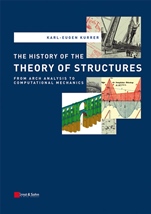
The History of the Theory of Structures: From Arch Analysis to Computational Mechanics
ISBN 9783433018385
Autor: Karl–Eugen Kurrer, Ekkehard Ramm
Wydawca: Wiley
Dostępność: 3-6 tygodni
Cena: 685,65 zł
Przed złożeniem zamówienia prosimy o kontakt mailowy celem potwierdzenia ceny.
ISBN13: |
9783433018385 |
ISBN10: |
3433018383 |
Autor: |
Karl–Eugen Kurrer, Ekkehard Ramm |
Oprawa: |
Hardback |
Rok Wydania: |
2008-04-23 |
Ilość stron: |
848 |
Wymiary: |
248x182 |
Tematy: |
TN |
This book traces the evolution of theory of structures and strength of materials – the development of the geometrical thinking of the Renaissance to become the fundamental engineering science discipline rotted in classical mechanics. Starting with the strength experiments of Leonardo da Vinci and Galileo, the author examines the emergence of individual structural analysis methods and their formation into theory of structures in the 19th century. For the first time, a book of this kind also outlines the development from classical theory of structures to the structural mechanics and computational mechanics of the 20th century. In doing so, the author has managed to bring alive the differences between the players with respect to their engineering and scientific profiles and personalities, and to create an understanding for the social context. Brief insights into common methods of analysis, backed up by historical details, help the reader gain au understanding of the history of structural mechanics from the standpoint of modern engineering practice. A total of 175 brief biographies of important personalities in civil and structural engineering as well as structural mechanics plus an extensive bibliography round off this work.
Spis treści:
Foreword.
Preface.
Preface to the first, German edition.
1. The tasks and aims of a historical study of theory of structures.
2. Learning from the history of structural analysis: 11 introductory essays.
3. The first fundamental engineering science disciplines: theory of structures and applied mechanics.
4. From Masonry arch to elastic arch.
5. The beginnings of a theory of structures.
6. The discipline–formation of theory structures.
7. From construction with iron to modern structural steelwork.
8. Member analysis conquers the third dimension: the spatial framework.
9. Reinforced concrete′s influence on theory of structures.
10. From classical to modern theory
of structures.
11. Twelve scientific controversies in mechanics and theory of structures.
12. Perspectives for theory of structures.
Brief biographies.
Bibliography.
Name index.
Subject index.
Nota biograficzna:
Dr.–Ing. Karl–Eugen Kurrer has been chief editor of the journal "Stahlbau", published by Ernst & Sohn, Berlin, since 1996. His keen interest in the history of theory of structures from the scientific and engineering perspectives began some 30 years ago. The great success of his book "Geschichte der Baustatik" published at the end of 2002, the repeated requests for an English edition and the members of the Berlin–based VDI History of Engineering Study Group inspired him to write this revised edition.
Okładka tylna:
This book traces the evolution of theory of structures and strength of materials – the development of the geometrical thinking of the Renaissance to become the fundamental engineering science discipline rotted in classical mechanics. Starting with the strength experiments of Leonardo da Vinci and Galileo, the author examines the emergence of individual structural analysis methods and their formation into theory of structures in the 19th century. For the first time, a book of this kind also outlines the development from classical theory of structures to the structural mechanics and computational mechanics of the 20th century. In doing so, the author has managed to bring alive the differences between the players with respect to their engineering and scientific profiles and personalities, and to create an understanding for the social context. Brief insights into common methods of analysis, backed up by historical details, help the reader gain au understanding of the history of structural mechanics from the standpoint of modern engineering practice. A total of 175 brief biographies of important personalities in civil and structural engineering as well as s
tructural mechanics plus an extensive bibliography round off this work.
Koszyk
Książek w koszyku: 0 szt.
Wartość zakupów: 0,00 zł
Informacje


Kontakt
Gambit
Centrum Oprogramowania
i Szkoleń Sp. z o.o.
Al. Pokoju 29b/22-24
31-564 Kraków
Siedziba Księgarni
ul. Kordylewskiego 1
31-542 Kraków
+48 12 410 5991
+48 12 410 5987
+48 12 410 5989
Subskrypcje
Administratorem danych osobowych jest firma Gambit COiS Sp. z o.o. Na podany adres będzie wysyłany wyłącznie biuletyn informacyjny.
Autoryzacja płatności

Informacje na temat autoryzacji płatności poprzez PayU.

© Copyright 2012: GAMBIT COiS Sp. z o.o. Wszelkie prawa zastrzeżone.
Projekt i wykonanie: Alchemia Studio Reklamy