


Wydawcy
Katalog tematyczny
- Archeologia (109)
- Ekonomia, finanse, business (13704)
- Filozofia (1445)
- Historia (3040)
- Języki i językoznawstwo (2356)
- Lifestyle, hobby i rozrywka (475)
- Medycyna (9704)
- Chirurgia (272)
- Inne gałęzie medycyny (1871)
- Anestezjologia (139)
- Farmakologia (495)
- Medycyna ekologiczna (12)
- Medycyna nuklearna (21)
- Medycyna paliatywna (2)
- Medycyna sądowa (6)
- Medycyna sportowa (11)
- Obrazowanie medyczne (130)
- Patologia (255)
- Psychiatria (226)
- Psychologia kliniczna (131)
- Ratownictwo medyczne (73)
- Stomatologia (302)
- Terapia (30)
- Medycyna kliniczna (4187)
- Medycyna niekonwencjonalna (14)
- Medycyna przedkliniczna (269)
- Medycyna, ogólnie (1740)
- Medyczne służby pomocnicze (745)
- Studia medyczne (16)
- Weterynaria (548)
- Nauki humanistyczne (4)
- Nauki o Ziemi i środowisku (2638)
- Nauki ścisłe (20412)
- Nauki społeczne (8486)
- Nauki techniczne (13450)
- Prawo (1696)
- Publikacje informacyjne i interdyscyplinarne (1288)
- Religia i wierzenia (917)
- Technika komputerowa (4067)
- Zdrowie, relacje międzyludzkie i rozwój osobisty (657)





Informacje szczegółowe o książce
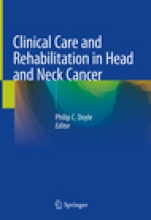
Clinical Care and Rehabilitation in Head and Neck Cancer
ISBN 9783030047016
Autor: Philip C. Doyle, Western University, London, ON, Canada
Wydawca: Springer
Dostępność: 3-6 tygodni
Cena: 612,15 zł
Przed złożeniem zamówienia prosimy o kontakt mailowy celem potwierdzenia ceny.
ISBN13: |
9783030047016 |
Autor: |
Philip C. Doyle, Western University, London, ON, Canada |
Oprawa: |
Hardback |
Rok Wydania: |
2019 |
Numer Wydania: |
1 |
Ilość stron: |
513 |
Malignancies involving structures of the head and neck frequently impact the most fundamental aspects of human existence, namely, those functions related to voice and speech production, eating, and swallowing. Abnormalities in voice production, and in some instances its complete loss, are common following treatment for laryngeal (voice box) cancer. Similarly, speech, eating, and swallowing may be dramatically disrupted in those where oral structures (e.g., the tongue, jaw, hard palate, pharynx, etc.) are surgically ablated to eliminate the cancer. Consequently, the range and degree of deficits that may be experienced secondary to the treatment of head and neck cancer (HNCa) are often substantial. This need is further reinforced by the Centers for Disease Control and Prevention who have estimated that the number of individuals who will be newly diagnosed with HNCa will now double every 10 years. This estimate becomes even more critical given that an increasing number of those who are newly diagnosed will be younger and will experience the possibility of long-term survival post-treatment. Contemporary rehabilitation efforts for those treated for HNCa increasingly demand that clinicians actively consider and address multiple issues. Beyond the obvious concerns specific to any type of cancer (i.e., the desire for curative treatment), clinical efforts that address physical, psychological, communicative, and social consequences secondary to HNCa treatment are essential components of all effective rehabilitation programs. Comprehensive HNCa rehabilitation ultimately seeks to restore multiple areas of functioning in the context of the disabling effects of treatment. In this regard, rehabilitation often focuses on restoration of function while reducing the impact of residual treatment-related deficits on the individual’s overall functioning, well-being, quality of life (QOL), and ultimately, optimize survivorship. Regardless of the treatment method(s) pursued for HNCa (e.g., surgery, radiotherapy, chemoradiation, or combined methods), additional problems beyond those associated with voice, speech, eating and swallowing frequently exist. For example, post-treatment changes in areas such as breathing, maintaining nutrition, limitations in physical capacity because surgical reconstruction such as deficits in shoulder functioning, concerns specific to cosmetic alterations and associated disfigurement, and deficits in body image are common. Those treated for HNCa also may experience significant pain, depression, stigma and subsequent social isolation. Concerns of this type have led clinicians and researchers to describe HNCa as the most emotionally traumatic form of cancer. It is, therefore, essential that clinicians charged with the care and rehabilitation of those treated for HNCa actively seek to identify, acknowledge, and systematically address a range of physical, psychological, social, and communication problems. Efforts that systematically consider this range of post-treatment sequelae are seen as critical to any effort directed toward enhanced rehabilitation outcomes. Actively and purposefully addressing post-treatment challenges may increase the likelihood of both short- and long-term rehabilitation success in this challenging clinical population.Current information suggests that successful clinical outcomes for those with HNCa are more likely to be realized when highly structured, yet flexible interdisciplinary programs of care are pursued. Yet contemporary educational resources that focus not only on management of voice, speech, eating, and swallowing disorders, but also address issues such as shoulder dysfunction due to neck dissection, the significant potential for cosmetic alterations can offer a much broader perspective on rehabilitation. Contemporary surgical treatment frequently involves reco
Koszyk
Książek w koszyku: 0 szt.
Wartość zakupów: 0,00 zł
Informacje


Kontakt
Gambit
Centrum Oprogramowania
i Szkoleń Sp. z o.o.
Al. Pokoju 29b/22-24
31-564 Kraków
Siedziba Księgarni
ul. Kordylewskiego 1
31-542 Kraków
+48 12 410 5991
+48 12 410 5987
+48 12 410 5989
Subskrypcje
Administratorem danych osobowych jest firma Gambit COiS Sp. z o.o. Na podany adres będzie wysyłany wyłącznie biuletyn informacyjny.
Autoryzacja płatności

Informacje na temat autoryzacji płatności poprzez PayU.

© Copyright 2012: GAMBIT COiS Sp. z o.o. Wszelkie prawa zastrzeżone.
Projekt i wykonanie: Alchemia Studio Reklamy