


Wydawcy
Katalog tematyczny
- Archeologia (109)
- Ekonomia, finanse, business (13704)
- Filozofia (1445)
- Historia (3040)
- Języki i językoznawstwo (2356)
- Lifestyle, hobby i rozrywka (475)
- Medycyna (9704)
- Nauki humanistyczne (4)
- Nauki o Ziemi i środowisku (2638)
- Nauki ścisłe (20412)
- Nauki społeczne (8486)
- Edukacja (229)
- Kryminologia, opieka spełeczna (284)
- Obronność (10)
- Polityka (1389)
- Psychologia (777)
- Socjologia (410)
- Społeczeństwo i kultura (187)
- Nauki techniczne (13450)
- Prawo (1696)
- Publikacje informacyjne i interdyscyplinarne (1288)
- Religia i wierzenia (917)
- Technika komputerowa (4067)
- Zdrowie, relacje międzyludzkie i rozwój osobisty (657)





Informacje szczegółowe o książce
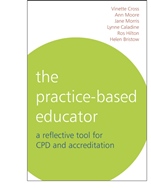
The Practice–Based Educator: A Reflective Tool for CPD and Accreditation
ISBN 9781861564221
Autor: Vinette Cross, Lynne Caladine, Jane Morris, Ros Hilton, Helen Bristow, Ann Moore
Wydawca: Wiley
Dostępność: 3-6 tygodni
Cena: 349,65 zł
Przed złożeniem zamówienia prosimy o kontakt mailowy celem potwierdzenia ceny.
ISBN13: |
9781861564221 |
ISBN10: |
1861564228 |
Autor: |
Vinette Cross, Lynne Caladine, Jane Morris, Ros Hilton, Helen Bristow, Ann Moore |
Oprawa: |
Paperback |
Rok Wydania: |
2006-07-14 |
Ilość stron: |
268 |
Wymiary: |
229x152 |
Tematy: |
JD |
Development of high quality health professionals depends upon high quality learning experiences in the practice environment. This is acknowledged by increased emphasis on quality assurance in practice–based professional education, and in calls for accreditation of practice–based educators. Inevitably this has major benefits for patient/client populations utilising healthcare services.
The Practice–Based Educator – A reflective tool for CPD and accreditation builds on an earlier book, The Clinical Educator – Role Development by Ann Moore, Ros Hilton, Jane Morris, Lynne Caladine and Helen Bristow. Published in 1997, it proved to be a valuable resource for practice–based educators in the Allied Health Professions.
This new book updates the background and context of practice–based education. It includes an extensive section on techniques and methods as well as a troubleshooting section. This uses vignettes to explore some reasons why things might go wrong in practice–based learning interactions, and sugests ideas for dealing with problems such as:learner alienation in the practice–based learning environmentmatch and mismatch between learner stage of development and educator approachfear and failure in the practice–based learning enviromentthe ‘blocked learning cycle’
At the end of each chapter, proformas linked to specific learning outcomes are provided. These draw on readers’ application of reflective activities in the chapter to their own practice as educators and learners. Learning in each chapter can be linked to a set of generic outcomes for accreditation. In this way readers can build a portfolio of evidence to use in any subsequent application for formal accreditation.
This practical text will provide an easily accessible resource for healt
h professionals involved in practice–based education at a variety of levels.
Spis treści:
Contributors.
Foreword.
Preface.
Acknowledgments.
1. About This Book and How to Use It.
Introduction.
Who will find this book useful.
What does the book aim to do?.
Learning outcomes.
What is reflection and what does it offer the practice–based educator?.
How is reflective thinking organised?.
How can reflection help to make sense of experience?.
How does the book use reflection to help develop your role?.
How can the book help to provide evidence for CPD?.
Summary.
References and further reading.
2. Practice–Based Learning and Healthcare Quality.
Introduction.
Learning outcomes.
What is practice–based learning?.
Practice–based educators.
The scope of the practice–based educator′s role.
Current issues influencing practice–based education.
Accreditation of practice–based educators.
Summary.
References and further reading.
3. Multiple Roles of the Practice–Based Educator.
Introduction.
Learning outcomes.
What is the role of the practice–based educator?.
The practice–based educator as a facilitator of learning.
The practice–based educator as an assessor.
The practice–based educator as an evaluator.
Rewards for the practice–based educator.
The learner′s perspective.
The importance of self–awareness.
Summary.
References and further reading.
4. Practice–Based Learning Environment: Social Context and Relationships.
Introduction.
Learning outcomes.
The learning environment.
Physical influences on the learning environment.
Psychosocial influences on the learning environment.
Cultural influence on the learning environment.
Summary.
References and further reading.
5. Learning Theories.
Introduction.
Learn
ing outcomes.
Why bother with learning theories?.
Adults as learners.
Stages of learner development.
Adult learning and other approaches to learning theory.
Types of learning.
Control of the learning process.
Learning styles.
Transfer of learning.
Levels of processing.
Learning intention.
Summary.
References and further reading.
6. Facilitating Learning in the Practice Setting.
Introduction.
Learning outcomes.
What do we mean by facilitation?.
What do we want to facilitate?.
Principles for effective facilitation of effective learning.
Stages of practice–based learning and facilitation.
THE FACILITATION TOOLKIT.
Section One: Structuring learning.
Negotiating learning agreements.
Diagnosing readiness to learn.
Using demonstration to facilitate learning.
Providing opportunities for structured observation.
Questioning and discussion.
Giving feedback.
Section Two: Fostering collaboration.
Peer assisted learning.
Inter–professional learning and peer development.
Problem–based learning.
Section Three: Promoting empowerment.
Challenge and support.
Cognitive dissonance.
Learning relationships.
Portfolio development.
Section Four: Troubleshooting.
Learner alienation in the practice–based learning environment.
Match and mismatch between learner development and educator approach.
Fear and failure.
Enhancing communication and dialogue.
The blocked learning cycle.
Summary.
References and further reading.
7. Assessing Practice–Based Learning
Introduction.
Learning outcomes.
What is assessment.
Why do we assess?.
When do we assess?.
Who is involved in assessment.
How do we assess?.
Summary.
References.
8. Evaluating the Practice–Based Learning Experience.
Introduction.
Learning outcomes.
What is evaluation and how does it differ from assessment?.
What does evaluatio
n involve?.
Evaluation and reflection.
The overlapping cycle of reflection.
Developing an evaluation strategy.
Why do we want to evaluate?.
What aspects of the learning experience do we want to evaluate?.
Choosing a methodology.
When does evaluation occur?.
Who is involved in evaluation?.
How will evaluation information be disseminated and used?.
Summary.
References and further reading.
9. Putting It All Together: Developing a Practice–Based Learning Curriculum.
Introduction.
Learning outcomes.
Developing a practice–based curriculum.
Influences and constraints on the learning experience.
Planning the learning process.
Designing learning experiences and opportunities.
Managing the learning process.
Assessing learning outcomes.
Evaluating the overall learning experience.
Reflecting on the learning process and planning change.
Summary.
Further reading.
Appendix 1: Practice Placement assessment Form.
Appendix 2: Practice Placement Evaluation Form.
Glossary.
Index.
Nota biograficzna:
Ann P Moore, University of Brighton, UK,
Lynne Caladine, Clinical Research Centre, UK,
Jane Morris, Clinical Research Centre, UK,
Ros Hilton, King′s College, UK,
Vinette Cross, University of Birmingham, UK and
Helen Bristow
Okładka tylna:
Development of high quality health professionals depends upon high quality learning experiences in the practice environment. This is acknowledged by increased emphasis on quality assurance in practice–based professional education, and in calls for accreditation of practice–based educators. Inevitably this has major benefits for patient/client populations utilising healthcare services.
The Practice–Based Educator – A reflective tool for CPD and accreditation builds on an earlier book, The Clinical Educator – R
Koszyk
Książek w koszyku: 0 szt.
Wartość zakupów: 0,00 zł
Informacje


Kontakt
Gambit
Centrum Oprogramowania
i Szkoleń Sp. z o.o.
Al. Pokoju 29b/22-24
31-564 Kraków
Siedziba Księgarni
ul. Kordylewskiego 1
31-542 Kraków
+48 12 410 5991
+48 12 410 5987
+48 12 410 5989
Subskrypcje
Administratorem danych osobowych jest firma Gambit COiS Sp. z o.o. Na podany adres będzie wysyłany wyłącznie biuletyn informacyjny.
Autoryzacja płatności

Informacje na temat autoryzacji płatności poprzez PayU.

© Copyright 2012: GAMBIT COiS Sp. z o.o. Wszelkie prawa zastrzeżone.
Projekt i wykonanie: Alchemia Studio Reklamy