


Wydawcy
Katalog tematyczny
- Archeologia (109)
- Ekonomia, finanse, business (13704)
- Filozofia (1445)
- Historia (3040)
- Języki i językoznawstwo (2356)
- Lifestyle, hobby i rozrywka (475)
- Medycyna (9704)
- Nauki humanistyczne (4)
- Nauki o Ziemi i środowisku (2638)
- Nauki ścisłe (20412)
- Nauki społeczne (8486)
- Edukacja (229)
- Kryminologia, opieka spełeczna (284)
- Obronność (10)
- Polityka (1389)
- Psychologia (777)
- Socjologia (410)
- Społeczeństwo i kultura (187)
- Nauki techniczne (13450)
- Prawo (1696)
- Publikacje informacyjne i interdyscyplinarne (1288)
- Religia i wierzenia (917)
- Technika komputerowa (4067)
- Zdrowie, relacje międzyludzkie i rozwój osobisty (657)





Informacje szczegółowe o książce
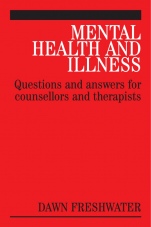
Mental Health and Illness: Questions and Answers for Counsellors and Therapists
ISBN 9781861564139
Autor: Dawn Freshwater, Jeni Boyd, Sabi Redwood, Michael Jacobs
Wydawca: Wiley
Dostępność: 3-6 tygodni
Cena: 267,75 zł
Przed złożeniem zamówienia prosimy o kontakt mailowy celem potwierdzenia ceny.
ISBN13: |
9781861564139 |
ISBN10: |
1861564139 |
Autor: |
Dawn Freshwater, Jeni Boyd, Sabi Redwood, Michael Jacobs |
Oprawa: |
Paperback |
Rok Wydania: |
2005-12-16 |
Ilość stron: |
142 |
Wymiary: |
232x154 |
Tematy: |
JC |
With contributions from Jeni Boyd and Sabi Redwood
The way we understand, manage and treat mental illness has changed extensively in recent times, and the roles of mental health practitioners in the NHS are undergoing significant review.
Mental Health and Illness: Questions and Answers for Counsellors and Therapists addresses the common concerns that frequently confront psychotherapists and counsellors in their work with clients.
Beginning with a comprehensive introduction to contemporary issues in mental health, this accessible guide discusses the current definitions of mental health, drawing attention to its complexities and diversities. Each chapter focuses on specific issues, identified by practitioners as being of relevance to their everyday work, such as:understanding and assessing mental illnessthe relationship between mental health and physical symptomssocio–political influencesworking collaboratively with other mental health teamsprofessional and legal matters
With its easy–to–use format, this practical and informative volume will be a valuable resource for established psychotherapists and counsellors, as well as those in training.
Spis treści:
About the author.
Contributors.
Chapter 1: An introduction to mental health and mental illness.
Chapter 2: Understanding and assessing mental illness: The psychological aspects.
2.1 Psychiatrists and psychologists categorise mental illness. Are these categories helpful for counsellors?
2.2 Some clients believe that their mental illness is hereditary. Is there any foundation for this belief?
2.3 A possible new client says at assessment that she is seeing a psychiatrist. What are the implications for me as her counsellor?
2.4 If someone has a history of serious mental illness, are they likely to relapse when in counselling?
2.5 Are there any contra–indications to
counselling and psychotherapy where mental illness is concerned?
2.6 How do I recognise that the client has an underlying mental illness that could be made worse by counselling or psychotherapy?
2.7 Are there any existing frameworks for assessing a client’s mental health?
2.8 What is the difference between endogenous depression and reactive depression? Does it make a difference as to whether counselling is effective?
2.9 Should I work with someone who has severe depression?
2.10 Is it true that psychotherapy doesn’t work with psychotic clients?
2.11 How effective are psychological therapies with clients who are on medication for mental illness?
Chapter 3: Psyche and soma: The relationship between mental health and physical symptoms.
3.1 What is the relationship between physical illness and mental illness?
3.2 A number of my clients are referred for anxiety/panic related physical symptoms. What is the relationship between stress, anxiety and the body?
3.3 Are there specific physical illnesses that impact on the client’s mental health?
3.4 Is it true that certain biological and personality types are more prone to mental and physical illness?
3.5 Is depression a common response to physical illness?
3.6 I am working with a woman who has recently had a mastectomy. She claims that she still feels as if she has both breasts. Is this usual or is she developing hallucinations?
3.7 Is counselling suitable for clients who have both a terminal illness and a mental illness?
3.8 A young male client has recently been referred to me for his selfharming behaviour. Is counselling a suitable treatment?
3.9 Is it true that substance misuse can lead to mental illness?
Chapter 4: Socio–political influences: The social construction of mental illness.
4.1 How is mental illness currently being conceptualised within the social and political context?
4.2 Are there cultural difference
s in the way that mental illness is assessed, treated and understood?
4.3 Is it true that African–Caribbean men are more likely to develop/be diagnosed with schizophrenia?
4.4 How can counsellors permit diversity and difference whilst simultaneously maintaining the clients’ (and others’) safety?
4.5 Some feminist counsellors believe that women are more likely to be diagnosed with mental illness than men are. Is there any evidence for this?
4.6 I work in a young offender’s unit as a counsellor. I have noticed an increase in the amount of suicide attempts in this age group over the past two years. Are young people becoming susceptible to mental instability?
4.7 Is there any point in using counselling techniques with a client who has Alzheimer’s disease?
4.8 Many of the clients that I work with as a volunteer attend a day hospital and have learning disabilities. My supervisor is skeptical of the benefit of counselling to this client group. Should I continue to offer my support?
Chapter 5: Mental health and spiritual distress.
5.1 What is the interface between mental illness and spiritual distress?
5.2 My client, who has been referred to me by his GP, believes that he has been visited by the Holy Spirit and has been given powers of healing. He is a lay preacher and had a strong Christian faith but has resigned from his job as an executive director to attend to his calling. How can I be sure that he is not mentally ill?
5.3 Why is it that psychotic clients tend towards spiritual themes during periods of mental breakdown?
5.4 Some writers refer to the concept of a spiritual emergency when a client has a mental breakdown. What do they mean?
Chapter 6: Working collaboratively to improve care.
6.1 There are a number of new roles being developed within the NHS mental health services. How do they link with counselling and psychotherapy as emerging professions?
6.2 The National Service Framework for Mental Health (NSF) emphasises the role of counselling and counsellors in the management of acute and chronically ill patients. How will this affect counsellors in private practice?
6.3 What are the existing mechanisms for referral to acute psychiatric services?
6.4 I am currently working with a client who is also in regular contact with her community psychiatric nurse (CPN). How can I maintain good collaborative relations with the CPN, whilst also ensuring my client’s confidentiality is not compromised?
6.5 As a voluntary counsellor in a health centre how should I prioritise the counselling waiting list given that many of the clients are also awaiting a hospital appointment for an acute outpatient assessment?
6.6 The social work team have made a referral to me as a trainee counsellor/social worker. The client is known to be a persistent non–attendee and has behavioural difficulties. Am I obliged to take the referral?
6.7 Having completed the specified number of sessions with my client in an NHS setting, I feel that he requires further counselling. Should I offer him additional private sessions?
Chapter 7: Professional and legal matters.
7.1 As a psychodynamic counsellor working in primary care I am being asked to undertake training in short–term cognitive–behavioural therapy (CBT). Is there any evidence to suggest that either short–term CBT or psychodynamic work is effective with clients who have depressive/anxiety disorders?
7.2 What is the current model of choice for working with clients who have a history of mental illness?
7.3 I am a counsellor in General Practice and have been sent (or received) some information on a training course in psychosocial interventions. How will this enhance my current counselling practice?
7.4 As a counsellor working in private practice are there any training courses that would help me to work better with mental illness?
Koszyk
Książek w koszyku: 0 szt.
Wartość zakupów: 0,00 zł
Informacje


Kontakt
Gambit
Centrum Oprogramowania
i Szkoleń Sp. z o.o.
Al. Pokoju 29b/22-24
31-564 Kraków
Siedziba Księgarni
ul. Kordylewskiego 1
31-542 Kraków
+48 12 410 5991
+48 12 410 5987
+48 12 410 5989
Subskrypcje
Administratorem danych osobowych jest firma Gambit COiS Sp. z o.o. Na podany adres będzie wysyłany wyłącznie biuletyn informacyjny.
Autoryzacja płatności

Informacje na temat autoryzacji płatności poprzez PayU.

© Copyright 2012: GAMBIT COiS Sp. z o.o. Wszelkie prawa zastrzeżone.
Projekt i wykonanie: Alchemia Studio Reklamy