


Wydawcy
Katalog tematyczny
- Archeologia (109)
- Ekonomia, finanse, business (13704)
- Filozofia (1445)
- Historia (3040)
- Języki i językoznawstwo (2356)
- Lifestyle, hobby i rozrywka (475)
- Medycyna (9704)
- Nauki humanistyczne (4)
- Nauki o Ziemi i środowisku (2638)
- Nauki ścisłe (20412)
- Nauki społeczne (8486)
- Edukacja (229)
- Kryminologia, opieka spełeczna (284)
- Obronność (10)
- Polityka (1389)
- Psychologia (777)
- Socjologia (410)
- Społeczeństwo i kultura (187)
- Nauki techniczne (13450)
- Prawo (1696)
- Publikacje informacyjne i interdyscyplinarne (1288)
- Religia i wierzenia (917)
- Technika komputerowa (4067)
- Zdrowie, relacje międzyludzkie i rozwój osobisty (657)





Informacje szczegółowe o książce
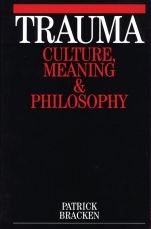
Trauma: Culture, Meaning and Philosophy
ISBN 9781861562807
Autor: Patrick Bracken
Wydawca: Wiley
Dostępność: 3-6 tygodni
Cena: 290,85 zł
Przed złożeniem zamówienia prosimy o kontakt mailowy celem potwierdzenia ceny.
ISBN13: |
9781861562807 |
ISBN10: |
1861562802 |
Autor: |
Patrick Bracken |
Oprawa: |
Paperback |
Rok Wydania: |
2002-04-21 |
Ilość stron: |
220 |
Wymiary: |
234x156 |
Tematy: |
JC |
In the past twenty years there has been a remarkable growth of interest in the area of trauma within the disciplines of psychology and psychiatry. This professional interest both reflects and contributes to a wider cultural concern with trauma. The syndrome of Post Traumatic Stress Disorder (PTSD) lies at the heart of the current discourse on trauma. This book argues that there are serious problems inherent in current conceptualisations of how people react to trauma, and consequently in many of the therapeutic responses that have been developed. The book offers a radical critique of the concept of PTSD and questions the assumptions which underpin the ′trauma industry′ that has emerged around it. However, the book is not just about critique. Drawing on anthropology, philosophy and his own clinical experience and that of others, the author presents a very different understanding of the relationships between trauma, meaning and culture. Post traumatic anxiety is presented as a problem with strong social and cultural dimensions and not simply an issue of individual psychopathology. Thus the reader is equipped with a new framework for helping traumatised individuals and communities. This very different conceptualisation of post traumatic sequelae will challenge therapists, aid and development workers as well as theoretical workers in psychology and psychiatry. Dr. Bracken argues against the medicalisation of distress and for the strengthening of communities and seeks to connect disputes about the framing of trauma with a wider debate about the social control of technology and expertise. This book will also be of interest to philosophers and others wishing to understand the relevance of philosophical analysis to medicine and psychology.
Spis treści:
Part I.
Trauma.
Meaning and Psychiatry.
Introduction.
Enlightenment.
Psychiatry and The Nature of Mind.
Post–traumatic Anxiety.
The Limitations of cognitive Approa
ches to Meaning and Trauma.
Part II.
A Phenomenological Approach to Meaning and its Loss.
Heiddegger′s Account of Human Reality.
A Heideggerian approach to Psychology and Psychotherapy.
Meaning Anxiety and Ontology.
Authenticity in Question.
Part III.
Meaning and The Culture of Postmodernity.
Modernity.
Postmodernity and The Question of Meaning.
Responding at postmodernity.
Conclusion.
Okładka tylna:
In the past twenty years there has been a remarkable growth of interest in the area of trauma within the disciplines of psychology and psychiatry. This professional interest both reflects and contributes to a wider cultural concern with trauma. The syndrome of Post Traumatic Stress Disorder (PTSD) lies at the heart of the current discourse on trauma. This book argues that there are serious problems inherent in current conceptualisations of how people react to trauma, and consequently in many of the therapeutic responses that have been developed. The book offers a radical critique of the concept of PTSD and questions the assumptions which underpin the ′trauma industry′ that has emerged around it. However, the book is not just about critique. Drawing on anthropology, philosophy and his own clinical experience and that of others, the author presents a very different understanding of the relationships between trauma, meaning and culture. Post traumatic anxiety is presented as a problem with strong social and cultural dimensions and not simply an issue of individual psychopathology. Thus the reader is equipped with a new framework for helping traumatised individuals and communities. This very different conceptualisation of post traumatic sequelae will challenge therapists, aid and development workers as well as theoretical workers in psychology and psychiatry. Dr. Bracken argues against the medicalisation of distress and for the strengthening of communities and seeks to connect disputes about the f
raming of trauma with a wider debate about the social control of technology and expertise. This book will also be of interest to philosophers and others wishing to understand the relevance of philosophical analysis to medicine and psychology.
Koszyk
Książek w koszyku: 0 szt.
Wartość zakupów: 0,00 zł
Informacje


Kontakt
Gambit
Centrum Oprogramowania
i Szkoleń Sp. z o.o.
Al. Pokoju 29b/22-24
31-564 Kraków
Siedziba Księgarni
ul. Kordylewskiego 1
31-542 Kraków
+48 12 410 5991
+48 12 410 5987
+48 12 410 5989
Subskrypcje
Administratorem danych osobowych jest firma Gambit COiS Sp. z o.o. Na podany adres będzie wysyłany wyłącznie biuletyn informacyjny.
Autoryzacja płatności

Informacje na temat autoryzacji płatności poprzez PayU.

© Copyright 2012: GAMBIT COiS Sp. z o.o. Wszelkie prawa zastrzeżone.
Projekt i wykonanie: Alchemia Studio Reklamy