


Wydawcy
Katalog tematyczny
- Archeologia (109)
- Ekonomia, finanse, business (13704)
- Filozofia (1445)
- Historia (3040)
- Języki i językoznawstwo (2356)
- Lifestyle, hobby i rozrywka (475)
- Medycyna (9704)
- Nauki humanistyczne (4)
- Nauki o Ziemi i środowisku (2638)
- Nauki ścisłe (20412)
- Nauki społeczne (8486)
- Edukacja (229)
- Kryminologia, opieka spełeczna (284)
- Obronność (10)
- Polityka (1389)
- Psychologia (777)
- Socjologia (410)
- Społeczeństwo i kultura (187)
- Nauki techniczne (13450)
- Prawo (1696)
- Publikacje informacyjne i interdyscyplinarne (1288)
- Religia i wierzenia (917)
- Technika komputerowa (4067)
- Zdrowie, relacje międzyludzkie i rozwój osobisty (657)





Informacje szczegółowe o książce
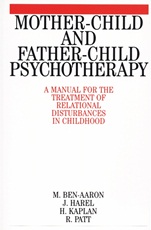
Mother–Child and Father–Child Psychotherapy: A Manual for the Treatment of Relational Disturbances in Childhood
ISBN 9781861561800
Autor: Miriam Ben–Aaron, J. Harel, H. Kaplan, R. Patt
Wydawca: Wiley
Dostępność: 3-6 tygodni
Cena: 319,20 zł
Przed złożeniem zamówienia prosimy o kontakt mailowy celem potwierdzenia ceny.
ISBN13: |
9781861561800 |
ISBN10: |
1861561806 |
Autor: |
Miriam Ben–Aaron, J. Harel, H. Kaplan, R. Patt |
Oprawa: |
Paperback |
Rok Wydania: |
2000-10-01 |
Ilość stron: |
220 |
Wymiary: |
228x162 |
Tematy: |
JC |
Mother–child and father–child psychology is a psychodynamic – developmental approach to relatively short–term treatment of relational disturbances in young children. The mother–child, father–child and mother–father dyads meet in weekly meetings with the same therapist in the same physical set up.The therapist as a participant observer in recurrent patterns of interactions and relations within the dyads, explicitly conveys to each parent that his/her unique role to their child is to be respected and validated. The approach is practised as a diagnostic assessment tool to help in the placing of pathology, as a preparation, in some cases, for individual therapy for the child or simultaneous treatment for child and parent, and as a treatment of choice for the relational disturbances between parents and their developmentally prelatency children. This book provides an overview of theoretical similarities and differences in basic aspects of the parent–child therapies, and offers a detailed description of the main features of a new model that enhances the parents’ and the child’s experiential learning.
Spis treści:
Contributors.
Acknowledgements.
Introduction: The historial background of psychoanlytic psychothrapy for children.
Chapter 1 An introduction to the approach.
Chapter 2 The theoretical framework of the therapeutic model and an outline of links to other approaches.
Chapter 3 An overview of our treatment approach: The assessment phase.
Chapter 4 Establishing the frame of treatment and the formation of therapeutic alliance.
Chapter 5 The therapeutic process: The functions of the therapist.
Chapter 6 The parent–child dyads.
Chapter 7 The work with parents outside the sessions with the child.
Chapter 8 In Summary
Case studies.
Chapter 9 A five–year old boy in n
eed of parental help.
Chapter 10 A short dyadic treatment.
Chapter 11 A girl suffering from chronic constipation.
Chapter 12 ′A name is given′.
Chapter 13 ′The missing piece′.
References.
Index.
Okładka tylna:
Mother–child and father–child psychology is a psychodynamic – developmental approach to relatively short–term treatment of relational disturbances in young children. The mother–child, father–child and mother–father dyads meet in weekly meetings with the same therapist in the same physical set up.The therapist as a participant observer in recurrent patterns of interactions and relations within the dyads, explicitly conveys to each parent that his/her unique role to their child is to be respected and validated. The approach is practised as a diagnostic assessment tool to help in the placing of pathology, as a preparation, in some cases, for individual therapy for the child or simultaneous treatment for child and parent, and as a treatment of choice for the relational disturbances between parents and their developmentally prelatency children. This book provides an overview of theoretical similarities and differences in basic aspects of the parent–child therapies, and offers a detailed description of the main features of a new model that enhances the parents’ and the child’s experiential learning.
Koszyk
Książek w koszyku: 0 szt.
Wartość zakupów: 0,00 zł
Informacje


Kontakt
Gambit
Centrum Oprogramowania
i Szkoleń Sp. z o.o.
Al. Pokoju 29b/22-24
31-564 Kraków
Siedziba Księgarni
ul. Kordylewskiego 1
31-542 Kraków
+48 12 410 5991
+48 12 410 5987
+48 12 410 5989
Subskrypcje
Administratorem danych osobowych jest firma Gambit COiS Sp. z o.o. Na podany adres będzie wysyłany wyłącznie biuletyn informacyjny.
Autoryzacja płatności

Informacje na temat autoryzacji płatności poprzez PayU.

© Copyright 2012: GAMBIT COiS Sp. z o.o. Wszelkie prawa zastrzeżone.
Projekt i wykonanie: Alchemia Studio Reklamy