


Wydawcy
Katalog tematyczny
- Archeologia (109)
- Ekonomia, finanse, business (13704)
- Filozofia (1445)
- Historia (3040)
- Języki i językoznawstwo (2356)
- Lifestyle, hobby i rozrywka (475)
- Medycyna (9704)
- Chirurgia (272)
- Inne gałęzie medycyny (1871)
- Medycyna kliniczna (4187)
- Medycyna niekonwencjonalna (14)
- Medycyna przedkliniczna (269)
- Medycyna, ogólnie (1740)
- Historia medycyny (3)
- Lekarze, sprawy zawodowe (8)
- Medycyna, aspekty prawne (10)
- Służba zdrowia (36)
- Wyposażenie medyczne (157)
- Zdrowie publiczne (460)
- Medyczne służby pomocnicze (745)
- Studia medyczne (16)
- Weterynaria (548)
- Nauki humanistyczne (4)
- Nauki o Ziemi i środowisku (2638)
- Nauki ścisłe (20412)
- Nauki społeczne (8486)
- Nauki techniczne (13450)
- Prawo (1696)
- Publikacje informacyjne i interdyscyplinarne (1288)
- Religia i wierzenia (917)
- Technika komputerowa (4067)
- Zdrowie, relacje międzyludzkie i rozwój osobisty (657)






Informacje szczegółowe o książce
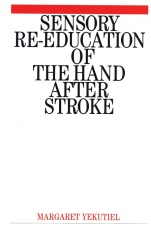
Sensory Re–Education of the Hand after Stroke
ISBN 9781861561695
Autor: Margaret Yekutiel
Wydawca: Wiley
Dostępność: 3-6 tygodni
Cena: 370,65 zł
Przed złożeniem zamówienia prosimy o kontakt mailowy celem potwierdzenia ceny.
ISBN13: |
9781861561695 |
ISBN10: |
1861561695 |
Autor: |
Margaret Yekutiel |
Oprawa: |
Paperback |
Rok Wydania: |
2000-03-01 |
Ilość stron: |
160 |
Wymiary: |
234x156 |
Tematy: |
MB |
Stroke patients continue to present a major challenge to the rehabilitation professions. In particular, the ‘rehabilitated’ patient with a useless hand remains an all too common phenomenon. This book focuses on the sensory perceptual disturbances caused by stroke which, even if slight can be the crucial factor in poor hand function. A wide–ranging review is presented of the processes of functional reorganisation by which the brain responds to the demands posed by injury as well as by learning. An inescapable conclusion from this literature is that any therapy which aims to harness these processes for the restoration of function after stroke needs to engage the patient’s attention and motivation. This is followed by a detailed description of the method of Sensory Re–education developed by the author through long experience with patients and culminating in a clinical trial which establised its effectiveness. While the book is intended primarily for physiotherapists and occupational therapists, it contains much to interest all who are concerned with brain function in health and disease, including neurologists and neuropsychologists, as well as stroke patients and their families. Contents Introduction The Challenge: Stroke and its Aftermath; The Effectiveness of Therapy; The Quest for a Different Approach Sensory Loss in Stroke: Sensory Testing and the Frequency and Types of Deficit; The Functional Implications of Sensory Loss The Theoretical Basis of Sensory Re–education: Sources; Peripheral Nerve Lesions; Central Lesions; Guide–lines for Intervention Contributions from Psychology: Attention; Motivation The Essentials of Sensory Re–education: The Focus on the Hand; The Therapeutic Relationship; The Protocol for a Sensory Task; Summary The Curriculum I: How to Use the Curriculum; Lessons in Touch The Curriculum II: Lessons in Proprioception; Lessons in the Recognition of Objects and Their Qualities;
Suggestions for Homework Validation of the Method: Theoretical Considerations; A Controlled Trial; The Next Step Wider Applications: Sensory Problems in Standing and Walking After Stroke; Cerebral Palsy; Other Conditions; Wider Applications Conclusion
Okładka tylna:
Stroke patients continue to present a major challenge to the rehabilitation professions. In particular, the ‘rehabilitated’ patient with a useless hand remains an all too common phenomenon. This book focuses on the sensory perceptual disturbances caused by stroke which, even if slight can be the crucial factor in poor hand function. A wide–ranging review is presented of the processes of functional reorganisation by which the brain responds to the demands posed by injury as well as by learning. An inescapable conclusion from this literature is that any therapy which aims to harness these processes for the restoration of function after stroke needs to engage the patient’s attention and motivation. This is followed by a detailed description of the method of Sensory Re–education developed by the author through long experience with patients and culminating in a clinical trial which establised its effectiveness. While the book is intended primarily for physiotherapists and occupational therapists, it contains much to interest all who are concerned with brain function in health and disease, including neurologists and neuropsychologists, as well as stroke patients and their families. Contents Introduction The Challenge: Stroke and its Aftermath; The Effectiveness of Therapy; The Quest for a Different Approach Sensory Loss in Stroke: Sensory Testing and the Frequency and Types of Deficit; The Functional Implications of Sensory Loss The Theoretical Basis of Sensory Re–education: Sources; Peripheral Nerve Lesions; Central Lesions; Guide–lines for Intervention Contributions from Psychology: Attention; Motivation The Essentials
of Sensory Re–education: The Focus on the Hand; The Therapeutic Relationship; The Protocol for a Sensory Task; Summary The Curriculum I: How to Use the Curriculum; Lessons in Touch The Curriculum II: Lessons in Proprioception; Lessons in the Recognition of Objects and Their Qualities; Suggestions for Homework Validation of the Method: Theoretical Considerations; A Controlled Trial; The Next Step Wider Applications: Sensory Problems in Standing and Walking After Stroke; Cerebral Palsy; Other Conditions; Wider Applications Conclusion
Koszyk
Książek w koszyku: 0 szt.
Wartość zakupów: 0,00 zł
Informacje


Kontakt
Gambit
Centrum Oprogramowania
i Szkoleń Sp. z o.o.
Al. Pokoju 29b/22-24
31-564 Kraków
Siedziba Księgarni
ul. Kordylewskiego 1
31-542 Kraków
+48 12 410 5991
+48 12 410 5987
+48 12 410 5989
Subskrypcje
Administratorem danych osobowych jest firma Gambit COiS Sp. z o.o. Na podany adres będzie wysyłany wyłącznie biuletyn informacyjny.
Autoryzacja płatności

Informacje na temat autoryzacji płatności poprzez PayU.

© Copyright 2012: GAMBIT COiS Sp. z o.o. Wszelkie prawa zastrzeżone.
Projekt i wykonanie: Alchemia Studio Reklamy