


Wydawcy
Katalog tematyczny
- Archeologia (109)
- Ekonomia, finanse, business (13704)
- Filozofia (1445)
- Historia (3040)
- Języki i językoznawstwo (2356)
- Lifestyle, hobby i rozrywka (475)
- Medycyna (9704)
- Nauki humanistyczne (4)
- Nauki o Ziemi i środowisku (2638)
- Nauki ścisłe (20412)
- Nauki społeczne (8486)
- Edukacja (229)
- Kryminologia, opieka spełeczna (284)
- Obronność (10)
- Polityka (1389)
- Psychologia (777)
- Socjologia (410)
- Społeczeństwo i kultura (187)
- Nauki techniczne (13450)
- Prawo (1696)
- Publikacje informacyjne i interdyscyplinarne (1288)
- Religia i wierzenia (917)
- Technika komputerowa (4067)
- Zdrowie, relacje międzyludzkie i rozwój osobisty (657)





Informacje szczegółowe o książce
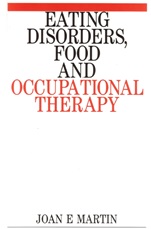
Eating Disorders, Food and Occupational Therapy
ISBN 9781861561053
Autor: Joan Martin
Wydawca: Wiley
Dostępność: 3-6 tygodni
Cena: 345,45 zł
Przed złożeniem zamówienia prosimy o kontakt mailowy celem potwierdzenia ceny.
ISBN13: |
9781861561053 |
ISBN10: |
1861561059 |
Autor: |
Joan Martin |
Oprawa: |
Paperback |
Rok Wydania: |
1998-12-01 |
Ilość stron: |
280 |
Wymiary: |
234x156 |
Tematy: |
JC |
Joan Martin provides a detailed examination of anorexia nervosa, bulimia nervosa, food and occupational therapy. This book is a comprehensive resource for all those with an academic or professional interest in eating disorders and the social and cultural contexts of food and eating. In addition, it provides a guide to the valuable contribution occupational therapists can make to the treatment of those suffering from an eating disorder.
Spis treści:
Part 1 Anorexia Nervosa, AN Overview.
1. Anorexia Nervosa – History. anorexia Nervosa, The Condition. Classification of Anorexia Nervosa. Dsm–iv diagnostic Criteria for Anorexia Nervosa. Differential Diagnosis.
2. epidemiology – Minority Groups. Children. Older Women. Males. Sport, Exercise and Dance Groups. Anorexia Nervosa in Twins.
3. Aetiology – Familial predispositon. Anorectic Mothers. Personality. Socio–cultural Influences. sexual Abuse. Zinc Deficiency.
4. Clinical Features – Secret and Denial. psychopathology. Stealing. Body Image Disturbances. Exercise. Sleep Patterns. academic Work. The Anorectic Male.
5. Treatments Used in Anorexia Nervosa – in–patient Status. Medical Management of Anorexia Nervosa, Naso–gastic and intravenous Feeding, Pharmacotherapy. Nutritional Management. Behavioural management. Psychodynamic Approaches, Family Therapy, Marital Therapy, cognitive–behavioural Therapy, Individual Psychotherapy, Group Therapy. out–patient Status. Future Planning.
6. Risk Factors and Outcomes – Risk factors, Cultural Risk Factors, Family Risk Factors, Individual Risk Factors. prevention. Complications of Anorexia Nervosa. Course and Outcome. Poor prognostic Indicators. Good Prognostic Indicators. Mortality.
Part II Bulimia nervosa, AN Overview.
7. Bulimia Nervosa – History. Bulimia Nervosa – The condition. Classification of Bulimia Nervosa. Dsm–iv Diagnostic Criteria for bul
imia Nervosa. Differential Diagnosis.
8. Epidemiology – College Populations. community, Minority Groups. Males, Familly and Twin Studies.
9. Aetiology – socio–cultural Influences. Familial Variables. Relationships. Food as an aetiological Factor. Compulsive Eating and an Aetiology Factor. Compulsive eating and a Felling of Failure. Risk Factors for Bulimia Nervosa.
10. Clinical features – Binge Eating. Vomiting. Laxatives. Chewing and Spitting of Food. multi–impulsivity. Addictive Behaviours – Alcohol, Drugs, Smoking. Combination of Methods. Psychopathology. Seasonal Affective Disorder (s. a. d.). co–morbidity.
11. Bause in Bulimia Nervosa – Sexual Abuse, Abuse and psychopathology. Abuse and The Family. Physical Abuse. Crime Victimization. abuse in Males.
12. Treatments – Pharmacotherapy. Cognitive–behavioural therapy. Behaviour Therapy. Psychodynamic Approaches, Group Therapy, interpersonal Psychotherapy. Combination of Treatment Approaches. Self–directed manuals. Psycho–educational Treatment. Family Therapy. Light Therapy. Drop outs. Methodological Limitations.
13. Complications and Outcomes – Outcomes and predictors. Prognostic Indicators. The Chronic Patient. Methodological Issues.
Part III A Socio–cultural Perspective ON Food AND Eating Disorders.
14. A socio–cultural Perspective on Food – The Meaning and Role of Food. Gender issues. Class. Cultural Influences. Religion.
15. Socio–cultural and Feminist perspectives on Eating Disorders – A Socio–cultural Perspective. A Feminist perspective.
16. Eating Disorders in Other Cultures – Body Image – Fat Phobia. Af
Okładka tylna:
Joan Martin provides a detailed examination of anorexia nervosa, bulimia nervosa, food and occupational therapy. This book is a comprehensive resource for all those with an academic or professional interest in eating
disorders and the social and cultural contexts of food and eating. In addition, it provides a guide to the valuable contribution occupational therapists can make to the treatment of those suffering from an eating disorder.
Koszyk
Książek w koszyku: 0 szt.
Wartość zakupów: 0,00 zł
Informacje


Kontakt
Gambit
Centrum Oprogramowania
i Szkoleń Sp. z o.o.
Al. Pokoju 29b/22-24
31-564 Kraków
Siedziba Księgarni
ul. Kordylewskiego 1
31-542 Kraków
+48 12 410 5991
+48 12 410 5987
+48 12 410 5989
Subskrypcje
Administratorem danych osobowych jest firma Gambit COiS Sp. z o.o. Na podany adres będzie wysyłany wyłącznie biuletyn informacyjny.
Autoryzacja płatności

Informacje na temat autoryzacji płatności poprzez PayU.

© Copyright 2012: GAMBIT COiS Sp. z o.o. Wszelkie prawa zastrzeżone.
Projekt i wykonanie: Alchemia Studio Reklamy