


Wydawcy
Katalog tematyczny
- Archeologia (109)
- Ekonomia, finanse, business (13704)
- Filozofia (1445)
- Historia (3040)
- Języki i językoznawstwo (2356)
- Lifestyle, hobby i rozrywka (475)
- Medycyna (9704)
- Nauki humanistyczne (4)
- Nauki o Ziemi i środowisku (2638)
- Nauki ścisłe (20412)
- Nauki społeczne (8486)
- Nauki techniczne (13450)
- Budownictwo lądowe (1045)
- Chemia przemysłowa (2258)
- Elektronika i telekomunikacja (3287)
- Energetyka (1122)
- Inne nauki stosowane (363)
- Inżynieria biochemiczna (507)
- Inżynieria transportu (232)
- Mechanika i materiały (3316)
- Nauka o środowisku (321)
- Rolnictwo (507)
- Technika, ogólnie (475)
- Prawo (1696)
- Publikacje informacyjne i interdyscyplinarne (1288)
- Religia i wierzenia (917)
- Technika komputerowa (4067)
- Zdrowie, relacje międzyludzkie i rozwój osobisty (657)





Informacje szczegółowe o książce
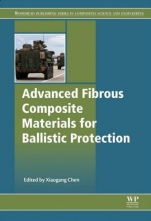
Advanced Fibrous Composite Materials for Ballistic Protection
ISBN 9781782424611
Autor: Chen, Xiaogang
Wydawca: Elsevier
Dostępność: 3-6 tygodni
Cena: 1 131,90 zł
Przed złożeniem zamówienia prosimy o kontakt mailowy celem potwierdzenia ceny.
ISBN13: |
9781782424611 |
Autor: |
Chen, Xiaogang |
Oprawa: |
Hardback |
Rok Wydania: |
2016-01-26 |
Tematy: |
TGM |
Advanced Fibrous Composite Materials for Ballistic Protection provides the latest information on ballistic protection, a topic that remains an important issue in modern times due to ever increasing threats coming from regional conflicts, terrorism, and anti-social behavior.
The basic requirements for ballistic protection equipment are first and foremost, the prevention of a projectile from perforating, the reduction of blunt trauma to the human body caused by ballistic impact, the necessity that they are thermal and provide moisture comfort, and that they are lightweight and flexible to guarantee wearer’s mobility.
The main aim of this book is to present some of the most recent developments in the design and engineering of woven fabrics and their use as layering materials to form composite structures for ballistic personal protection. Chapter topics include High Performance Ballistic Fibres, Ultra-High Molecular Weight Polyethylene (UHMWPE), Ballistic Damage of Hybrid Composite Materials, Analysis of Ballistic Fabrics and Layered Composite Materials, and Multi-Scale Modeling of Polymeric Composite Materials for Ballistic Protection.
Contributions from leading experts in the fieldCutting edge developments on the engineering of ballistic materialsComprehensive analysis of the development and uses of advanced fibrous composite materials
- Related titles
- List of contributors
- Woodhead Publishing Series in Composites Science and Engineering
- 1. Introduction
- 1.1. Background
- 1.2. Types of ballistic protective equipment and materials
- 1.3. Projective materials against ballistic impact
- 1.4. Engineering design of protective panels
- 1.5. Future materials and technology for ballistic protection
- 2. ARAMIDS: ‘Disruptive’, open and continuous innovation
- 2.1. Introduction
- 2.2. Polymer preparation
- 2.3. Spinning
- 2.4. Structure and properties
- 2.5. Applications
- Disclaimer
- 3. High-performance ballistic fibers: Ultra-high molecular weight polyethylene (UHMWPE)
- 3.1. Introduction
- 3.2. Mechanical properties
- 3.3. Mechanism of ballistic penetration
- 3.4. Ballistics models
- 3.5. Next-generation Dyneema® fibers and their composites
- 4. Fabrics and composites for ballistic protection
- 4.1. Introduction
- 4.2. Fibres and fabrics
- 4.3. Composites
- 4.4. Failure mechanisms
- Sources of further information and advice
- 5. Ballistic damage of hybrid composite materials
- 5.1. Introduction
- 5.2. Three-phase hybrid composites
- 5.3. Energy absorption of hybrid composites
- 5.4. Comments and future trends
- Further reading sources
- 6. Modelling of 3D woven fabrics for ballistic protection
- 6.1. Introduction
- 6.2. Numerical modelling of ballistic impact simulation
- 6.3. Analytical modelling and optimization
- 6.4. Energy absorption and penetration mechanisms
- 6.5. Design of 3D woven fabrics for ballistic protection
- 6.6. Future trends
- 7. Measurements of dynamic properties of ballistic yarns using innovative testing devices
- 7.1. Introduction
- 7.2. Testing devices adapted to dynamic properties of yarn
- 7.3. Optimization of the dynamic tensile device SFM
- 7.4. Experimental results of dynamic tensile tests on yarn using the optimized SFM
- 7.5. Conclusions
- 8. Analysis of woven fabric composites for ballistic protection
- 8.1. Introduction
- 8.2. Materials for ballistic protection
- 8.3. Composites for high-performance applications
- 8.4. Ballistic impact on composite targets
- 8.5. Input parameters
- 8.6. Experimental studies
- 8.7. Results and discussion
- 8.8. Enhancing ballistic protection capability of composite targets
- 8.9. Conclusions
- Appendices
- 9. Failure mechanisms and engineering of ballistic materials
- 9.1. Introduction
- 9.2. Analysis approaches for ballistic impact
- 9.3. Failure mechanisms of ballistic materials
- 9.4. Engineering design of ballistic materials
- 9.5. Future trends
- 10. Narrow fabrics for enhanced ballistic performance
- 10.1. Introduction
- 10.2. Ballistic armor
- 10.3. Importance of fiber type
- 10.4. Importance of fabric construction
- 10.5. Ballistic testing
- 10.6. High-speed photography
- 10.7. Effect of boundary conditions on transverse yarn impact
- 10.8. Effect of boundary conditions on fabric impact
- 10.9. Impact of narrow fabrics
- 10.10. Effect of clamping on the ballistic performance of narrow fabrics
- 10.11. The design of practicable armor using narrow fabrics
- 10.12. Conclusions
- 10.13. Future trends
- Sources of further information and advice
- 11. Multiscale modeling of polymeric composite materials for ballistic protection
- 11.1. Introduction and synopsis
- 11.2. Molecule- and fibril-scale modeling
- 11.3. Fiber-, yarn-, and fabric-level modeling
- 11.4. Single-/stacked-lamina level modeling
- 11.5. Laminate-/continuum-level modeling
- 11.6. Conclusions
- 12. Stab characterization of STF and thermoplastic-impregnated ballistic fabric composites
- 12.1. Introduction
- 12.2. Experimental procedure
- 12.3. Stab characterization of nonhybrid target fabric composites
- 12.4. Stab characterization of TP-Kevlar® hybrid target fabric composites
- 12.5. Conclusions and future trends
- 13. Polyolefin film–reinforced composites for personal protection
- 13.1. Introduction
- 13.2. Structure of SSE-PE
- 13.3. Reinforcement volume fraction of SSE-PE film composites
- 13.4. Conclusions
- 14. Ballistic performance evaluation of woven fabrics based on experimental and numerical approaches
- 14.1. Introduction
- 14.2. Ballistic testing principles and equipment
- 14.3. Finite element simulation of ballistic impact on woven fabrics
- 14.4. Comparisons and discussions
- 14.5. Conclusions
- 14.6. Future trends
- 15. Thermoplastic matrix combat helmet with carbon-epoxy skin for ballistic performance
- 15.1. Introduction
- 15.2. PASGT combat helmet
- 15.3. Para-aramid fiber thermoplastic matrix composite combat helmets
- 15.4. Ballistic performance of unidirectional thermoplastic matrix composites
- 15.5. INTER Materials unidirectional UHMWPE fiber thermoplastic matrix composite combat helmet
- 15.6. Structural requirements of thermoplastic matrix composite combat helmets
- 15.7. Discussion and future trends
- 16. Numerical analysis of the ballistic performance of textile fabrics
- 16.1. Introduction
- 16.2. Numerical macro-mesoscopic simulation of dynamic behavior of a 2D plain-woven fabric
- 16.3. Multiscale modeling for the cases of 2D woven fabrics
- 16.4. FEM modeling for the cases of 3D woven fabrics
- 16.5. Conclusions
- 17. Damage modeling of ballistic impact in woven fabrics
- 17.1. Introduction
- 17.2. Development of constitutive model for dry fabrics
- 17.3. Numerical modeling of high-speed impacts
- 17.4. Conclusions
- Index
Koszyk
Książek w koszyku: 0 szt.
Wartość zakupów: 0,00 zł
Informacje


Kontakt
Gambit
Centrum Oprogramowania
i Szkoleń Sp. z o.o.
Al. Pokoju 29b/22-24
31-564 Kraków
Siedziba Księgarni
ul. Kordylewskiego 1
31-542 Kraków
+48 12 410 5991
+48 12 410 5987
+48 12 410 5989
Subskrypcje
Administratorem danych osobowych jest firma Gambit COiS Sp. z o.o. Na podany adres będzie wysyłany wyłącznie biuletyn informacyjny.
Autoryzacja płatności

Informacje na temat autoryzacji płatności poprzez PayU.

© Copyright 2012: GAMBIT COiS Sp. z o.o. Wszelkie prawa zastrzeżone.
Projekt i wykonanie: Alchemia Studio Reklamy