


Wydawcy
Katalog tematyczny
- Archeologia (109)
- Ekonomia, finanse, business (13704)
- Filozofia (1445)
- Historia (3040)
- Języki i językoznawstwo (2356)
- Lifestyle, hobby i rozrywka (475)
- Medycyna (9704)
- Nauki humanistyczne (4)
- Nauki o Ziemi i środowisku (2638)
- Nauki ścisłe (20412)
- Nauki społeczne (8486)
- Nauki techniczne (13450)
- Prawo (1696)
- Publikacje informacyjne i interdyscyplinarne (1288)
- Religia i wierzenia (917)
- Technika komputerowa (4067)
- Zdrowie, relacje międzyludzkie i rozwój osobisty (657)





Informacje szczegółowe o książce
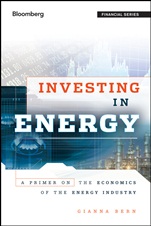
Investing in Energy: A Primer on the Economics of the Energy Industry
ISBN 9781576603758
Autor: Gianna Bern
Wydawca: Wiley
Dostępność: 3-6 tygodni
Cena: 304,50 zł
Przed złożeniem zamówienia prosimy o kontakt mailowy celem potwierdzenia ceny.
ISBN13: |
9781576603758 |
ISBN10: |
157660375X |
Autor: |
Gianna Bern |
Oprawa: |
Hardback |
Rok Wydania: |
2011-06-17 |
Ilość stron: |
240 |
Wymiary: |
239x162 |
Tematy: |
KF |
A new look at energy industry economics from an expert investor
Offering a fresh perspective on the economics of the energy industry, Investing in Energy: A Primer on the Economics of the Energy Industry is essential reading for anyone interested in the investmentopportunities afforded in this rapidly expandingand diversifying field.
Written by an industry researcher and investment advisor with twenty years of insider experience, the book presents an in–depth look at the economics of energy, providing bankable advice on the two major sources of energy being used today: gas and oil, as well as coverage of new and emerging green and alternative power sources. Reflecting on theinvestment opportunities presented by each option,the book empowers readers from seasoned investorsto those just starting out in the world of energy economics to make informed choices about what to do with their money in the rapidly changing world of energy investment.
From big oil companies to emerging cap–and–trade policies, Investing in Energy offers the most complete coverage of the economics of the energy industry available.
Preface.
Acknowledgments.
Part I Introduction and Financial Considerations.
Chapter 1 Historical Perspectives.
Oil and Gas Producers.
Production Perspectives.
Importance of Reserves.
Regulatory Environment.
Alternative Energy Forms.
Alternative Energy Growth.
Energy Investment Cost Considerations.
Concluding Thoughts.
Chapter 2 Investment Opportunities in Energy.
Asia Comes of Age.
Australia′s Natural Gas Boom.
Brazil Beckons with Deepwater.
Iraq′s Road to Recovery.
North American Unconventional Natural Gas Plays.
Solar Power Generation.
Concluding Thoughts.
Chapter 3 Cash Flow and Liquidity at Various Crude Prices.
Independent Oil Companies.
National Oil Companies.
Capital Expenditure Planning.
Liquidity – Cash is Still King.
Liquidity Metrics.
Cash–Flow Considerations.
Cash–Flow Metrics.
Leverage.
Concluding Thoughts.
Chapter 4 Capital Structure and Capital Markets.
Capital Structure.
Investors.
Alternative Energy Subsidies.
Concluding Thoughts.
Chapter 5 The Quarterly Earnings Disconnect.
Short Term versus Long Term.
Business Risks.
Concluding Thoughts.
Part II Crude Oil and Natural Gas.
Chapter 6 Analyzing Reserves.
Authorities on Reserves.
Proven Reserves.
Industry Nomenclature.
Proven Reserve Criterion.
Unproven Reserves.
Certification Process.
More on Reserve Authorities.
Measuring Reserves.
Concluding Thoughts.
Chapter 7 Crude Oil Markets and Production.
The Crude Oil Markets.
Benchmark Crudes.
Inventory Levels.
Crude Oil Quality.
Crude Oil Markets.
Concluding Thoughts.
Chapter 8 Natural Gas Markets and Production.
De–Coupling of Natural Gas from Crude Oil.
Conventional Natural Gas Production.
North American Unconventional Natural Gas Shale Plays.
Canadian Natural Gas Markets.
Natural Gas Markets.
LNG Fuel for the Future.
Natural Gas Storage.
Natural Gas as a Utility.
Natural Gas The Cleaner Fuel.
Concluding Thoughts.
Chapter 9 Understanding Refining Economics.
The Business Model.
Challenge for Independent Refiners.
Physical Crude Oil Trading.
Refining Capacity, Complexity, and Utilization.
Benchmark Crude Oils.
Crack Spreads.
The Challenge.
Concluding Thoughts.
Chapter 10 Integrated Majors and the Evolution of the Competitive Landscape.
Role of National Oil Companies.
The Road Ahead For Integrated Majors.
U.S. Safety and Regulation.
U.K. Environmental Programme.
Technological Challenges Abound.
Reserve Changes.
Concluding Thoughts.
Chapter 11 The Oilfield Service Sector and Oil Juniors.
The World is Their Platform.
Oil Juniors: Is Smaller Better?
Concluding Thoughts.
Chapter 12 OPEC.
OPEC Organization.
OPEC Crude Basket.
OPEC Crude Production.
OPEC s Role during the Financial Crisis 2008–2009.
Saudi Arabia s Role in OPEC.
OPEC versus Non–OPEC Reserves.
Geopolitics of Crude.
Nationalism of Assets.
Concluding Thoughts.
Chapter 13 Bidding and Production Rights.
Brazil.
Mexico.
Norway.
The United Kingdom.
Venezuela.
Concluding Thoughts.
Chapter 14 Analyzing State–Owned Oil Companies.
Hydrocarbons, a Source of Revenue.
Regulatory Frameworks.
Concessions and Bid Rounds.
Taxes and Royalties.
Pensions and Legacy Support.
Transparency.
Social Programs.
Capital Markets.
Mexico′s PEMEX.
Ownership Structure.
Hybrid–Capital Companies.
Concluding Thoughts.
Chapter 15 Crude Oil Pricing and Industry Investment.
Higher Crude Prices Impact Demand.
Global Oil Imbalance.
Unprecedented Financial Crises.
Great Commodity Collapse of 2009.
Leverage Creep.
Improved Market Fundamentals.
Investment Outlook.
Concluding Thoughts.
Part III The Power Sector.
Chapter 16 Hydroelectric Power.
Advantages.
Disadvantages.
China.
Brazil and Paraguay.
Concluding Thoughts.
Chapter 17 Nuclear Quagmire.
The Issue: Nuclear Waste.
The Benefits.
Nuclear Power in the United States.
The Future of Nuclear Energy.
Nuclear Energy in France.
Concluding Thoughts.
Chapter 18 Geothermal and Wind Energy.
United States.
Philippines.
Wind Generation Energy.
Demark.
United Kingdom.
Concluding Thoughts.
Chapter 19 Solar Energy.
Types of Solar Energy.
Spain.
Germany.
Concluding Thoughts.
Part IV Green Energy.
Chapter 20 Biofuels and Ethanol.
Biofuels Development.
Ethanol Development.
Concluding Thoughts.
Chapter 21 Cleaner Coal.
Coal as a Fuel Source.
Cleaner Coal.
Concluding Thoughts.
Part V Summary and Conclusion.
Chapter 22 Opportunities and Challenges in Green and Traditional Energies.
Renewable Energy.
Cap and Trade.
Natural Gas Opportunities.
Offshore Drilling Challenges.
Concluding Thoughts: Energy Independence A Strategic Imperative.
Appendix: Energy Equivalent Conversions.
Glossary.
About the Author.
Index.
Gianna Bern is President of Brookshire Advisory and Research, Inc., and a recognized energy market strategist and oil analyst. Brookshire is a Chicago–based registered investment advisory firm focused on oil and gas commodity research, energy sector investment research, and energy risk management advisory services with clients based in Europe, Latin America, Canada, and the United States. Brookshire also is the publisher of The Brookshire Report, a quarterly global oil market outlook, and,The Brookshire Energy Series, independent oil and gas investment research.
Gianna is a registered investment advisor and energy analyst with more than twenty years of experience in the energy sector, risk management trading, corporate finance, credit portfolio management, and corporate banking. Gianna is frequently interviewed and quoted on oil markets in Bloomberg News, Dow Jones Newswires, CNN Money, Reuters, and other major media.
Prior to Brookshire, Gianna was a senior director in Fitch Ratings′ Latin America Corporate Finance group with responsibility for oil, gas, and utilities. Before joining Fitch, Gianna was the credit portfolio manager of a leading commercial lease finance company where she managed a $2.5 billion commercial finance lease portfolio.
Previously, Gianna was a crude and gasoline trader and manager of risk management trading at BP Amoco Plc. Before the merger of Amoco Corporation and BP Plc., Gianna was a senior energy analyst at Amoco Oil. Gianna began her career in corporate finance at Continental Bank (now Bank of America Merrill Lynch). Gianna has a BBA from Illinois Institute of Technology and an MBA from The University of Chicago Booth School of Business.
Koszyk
Książek w koszyku: 0 szt.
Wartość zakupów: 0,00 zł
Informacje


Kontakt
Gambit
Centrum Oprogramowania
i Szkoleń Sp. z o.o.
Al. Pokoju 29b/22-24
31-564 Kraków
Siedziba Księgarni
ul. Kordylewskiego 1
31-542 Kraków
+48 12 410 5991
+48 12 410 5987
+48 12 410 5989
Subskrypcje
Administratorem danych osobowych jest firma Gambit COiS Sp. z o.o. Na podany adres będzie wysyłany wyłącznie biuletyn informacyjny.
Autoryzacja płatności

Informacje na temat autoryzacji płatności poprzez PayU.

© Copyright 2012: GAMBIT COiS Sp. z o.o. Wszelkie prawa zastrzeżone.
Projekt i wykonanie: Alchemia Studio Reklamy