


Wydawcy
Katalog tematyczny
- Archeologia (109)
- Ekonomia, finanse, business (13704)
- Filozofia (1445)
- Historia (3040)
- Języki i językoznawstwo (2356)
- Lifestyle, hobby i rozrywka (475)
- Medycyna (9704)
- Nauki humanistyczne (4)
- Nauki o Ziemi i środowisku (2638)
- Nauki ścisłe (20412)
- Nauki społeczne (8486)
- Nauki techniczne (13450)
- Prawo (1696)
- Publikacje informacyjne i interdyscyplinarne (1288)
- Religia i wierzenia (917)
- Technika komputerowa (4067)
- Zdrowie, relacje międzyludzkie i rozwój osobisty (657)





Informacje szczegółowe o książce
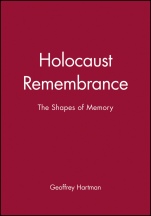
Holocaust Remembrance: The Shapes of Memory
ISBN 9781557863676
Autor: Geoffrey Hartman
Wydawca: Wiley
Dostępność: 3-6 tygodni
Cena: 235,20 zł
Przed złożeniem zamówienia prosimy o kontakt mailowy celem potwierdzenia ceny.
ISBN13: |
9781557863676 |
ISBN10: |
1557863679 |
Autor: |
Geoffrey Hartman |
Oprawa: |
Paperback |
Rok Wydania: |
1993-09-27 |
Ilość stron: |
320 |
Wymiary: |
228x161 |
Tematy: |
HB |
The recording, explanation and the inescapable task of judging great wrongs in the past presents historians with their most difficult assignment. For those who have either lived through such injustice or have been in some way responsible for it the impositions of memory are both painful and unavoidable. Memory shapes the future, and the recollections of past suffering haunt and may overwhelm generations long after. In 1938 the National Socialist Party in Germany began the final preparations for the systematic genocide of the Jews throughout Europe. For the Jews, whose national loyalties had long exceeded any ties of ethnicity, the programme of extermination was an act not merely of monstrous cruelty but of humiliation and treachery. In Holocaust Remembrance scholars, artists and writers consider the ways in which the events of 1938–1945 have been, might be, and will be remembered. The records of the Holocaust are vast and various, ranging from the museum at Auschwitz to the cartoons of Art Spiegelman, from the dark paintings of R. B. Kitaj to the elegaic stories of Primo Levi, from the filmed testimonies of the death camp survivors to revisionist historians who usurp the name of scholar in the pursuit of denial and evasion. The perspectives brought to bear here are rich and various – impassioned, objective, personal, poetical, historical and philosophical. They are united by an awareness of the dangers both of respectful silence and overwhelming information, and that only in remembering can an understanding of the past be sought and human kind redeemed from the forces of humiliation and guilt.
Darkness Visible: Geoffrey Hartman. 1. On Testimony: Annette Wieviork (Centre National de Recherche Scientifique, Paris). 2. The Library of Jewish Catastrophe: David Roskies (Jewish Theological Seminary of America). 3. Voices from the Killing Ground: Sara Horowitz (University of Delaware). 4. Jean Amery as Witness: Alvin Rosenfeld (Indiana University). 5. Remembering Survival: Lawrence Langer (Simmons College). 6. Christian Witness and the Shoah: David Tracy (University of Chicago). 7. Film as Witness: Lanzmann′s Shoah: Shoshana Felman (Yale University). 8. Charlotte Salomon′s Inward–Turning Testimony: Mary Felstiner (San Francisco State University). 9. ′Varschreibt!′: R. B. Kitaj. 10. Conversation in the Cemetery: Dan Pagis and the Prosaics of Memory: Sidra Ezrahi (Hebrew University of Jerusalem). 11. Chinese History and Jewish Memory: Vera Schwarcz (Wesleyan University). 12. The Awakening: Aharon Applefeld. 13. Facing the Glass Booth: Haim Gouri. 14. The Andean Waltz: Leo Spitzer (Dartmouth College). 15. German–Jewish Memory and National Consciousness: Miriam Hansen & Michael Geyer (both University of Chicago). 16. Negating the Dead: Nadine Fresco (Centre National de Recherche Scientique, Paris). 17. ′The First Blow′: Projects for the Camp at Fossoli: Giovanni Leoni. 18. Jewish Memory in Poland: James Young (University of Massachusetts, Amherst). 19. Reclaining Auschwwitz: Deborah Dwork & Robert Jan van Pelt (Yale Child Study Center & University of British Columbia). 20. Memory, Trauma and the Writing of History: Saul Friedlander (Tel Aviv University). ′Liberation′ (poem): Abraham Sutzkever.
Geoffrey Hartman is also Revson Project Director of the Fortunoff Video Archive for Holocaust Testimonies.
"Hartman has assembled penetrating essays that constitute of ameningful act of remembrance." Publishers Weekly "An outstanding interdisciplinary anthology. Hartman′s Holocaust Remembrance is simultaneously representative of, and a major contribution to, the best literature on this subject." The Historian
Koszyk
Książek w koszyku: 0 szt.
Wartość zakupów: 0,00 zł
Informacje


Kontakt
Gambit
Centrum Oprogramowania
i Szkoleń Sp. z o.o.
Al. Pokoju 29b/22-24
31-564 Kraków
Siedziba Księgarni
ul. Kordylewskiego 1
31-542 Kraków
+48 12 410 5991
+48 12 410 5987
+48 12 410 5989
Subskrypcje
Administratorem danych osobowych jest firma Gambit COiS Sp. z o.o. Na podany adres będzie wysyłany wyłącznie biuletyn informacyjny.
Autoryzacja płatności

Informacje na temat autoryzacji płatności poprzez PayU.

© Copyright 2012: GAMBIT COiS Sp. z o.o. Wszelkie prawa zastrzeżone.
Projekt i wykonanie: Alchemia Studio Reklamy