


Wydawcy
Katalog tematyczny
- Archeologia (1)
- Ekonomia, finanse, business (698)
- Filozofia (20)
- Historia (57)
- Języki i językoznawstwo (4)
- Lifestyle, hobby i rozrywka (32)
- Medycyna (1025)
- Nauki humanistyczne (2)
- Nauki o Ziemi i środowisku (430)
- Nauki ścisłe (1681)
- Nauki społeczne (1297)
- Edukacja (4)
- Kryminologia, opieka spełeczna (21)
- Obronność (5)
- Polityka (948)
- Psychologia (13)
- Socjologia (200)
- Społeczeństwo i kultura (77)
- Nauki techniczne (530)
- Prawo (1437)
- Publikacje informacyjne i interdyscyplinarne (32)
- Religia i wierzenia (15)
- Technika komputerowa (237)
- Zdrowie, relacje międzyludzkie i rozwój osobisty (4)





Informacje szczegółowe o książce
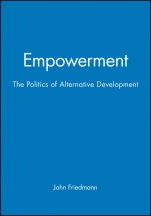
Empowerment: The Politics of Alternative Development
ISBN 9781557863003
Autor: John Friedmann
Wydawca: Wiley
Dostępność: 3-6 tygodni
Cena: 235,20 zł
Przed złożeniem zamówienia prosimy o kontakt mailowy celem potwierdzenia ceny.
ISBN13: |
9781557863003 |
ISBN10: |
1557863008 |
Autor: |
John Friedmann |
Oprawa: |
Paperback |
Rok Wydania: |
1992-03-26 |
Ilość stron: |
212 |
Wymiary: |
229x152 |
Tematy: |
JP |
Two–thirds of the population of the world are poor, and their number is growing in the first as well as in the third world, despite billions of dollars of aid. The economic development policies of the last two decades, and the theory which gave rise to them, have been discredited. The rich are disillusioned, apprehensive or uninterested, while the poor are embittered and without hope, the victims and agents of ignorance, instability and environmental degradation. The need for radical rethinking is urgent: this book makes an important contribution towards that end.
John Friedmann argues that poverty should be seen not merely in material terms, but as social, political and psychological powerlessness. He presents the case for an alternative development committed to empowering the poor in their own communities, and to mobilizing them for political participation on a wider scale. In contrast to centralized development policies devised and implemented at the national and international level, alternative development restores the initiative to those in need, on the grounds that unless people have an active role in directing their own destinies long–term progress will not be achieved.
The author takes the household as the strategic starting–point – stressing its moral, political and economic potential – as a source of continuity and as a location for production. From this basis he propounds a politics of emancipation that would enable the disempowered poor to assert their rights.
Empowerment provides a morally–informed theoretical framework for a development policy that meets the needs of its recipients rather than of its makers.
Spis treści:
1. Alternative Development: Its Origins and Moral Justification.
2. Trajectory: From Exclusion to Empowerment.
3. Rethinking the Economy: The Whole–Economy Model.
4. Rethinking Poverty: The (Dis)Empowerment Model.
5. Political Claims I: Inclus
ive Democracy and Appropriate Economic Growth.
6. Political Claims II: Gender Equality and Intergenerational Equity.
7. Practice: From Social to Political Power.
Epilogue: Some Questions for Rich Countries.
Bibliography.
Index.
Okładka tylna:
Two–thirds of the population of the world are poor, and their number is growing in the first as well as in the third world, despite billions of dollars of aid. The economic development policies of the last two decades, and the theory which gave rise to them, have been discredited. The rich are disillusioned, apprehensive or uninterested, while the poor are embittered and without hope, the victims and agents of ignorance, instability and environmental degradation. The need for radical rethinking is urgent: this book makes an important contribution towards that end.
John Friedmann argues that poverty should be seen not merely in material terms, but as social, political and psychological powerlessness. He presents the case for an alternative development committed to empowering the poor in their own communities, and to mobilizing them for political participation on a wider scale. In contrast to centralized development policies devised and implemented at the national and international level, alternative development restores the initiative to those in need, on the grounds that unless people have an active role in directing their own destinies long–term progress will not be achieved.
The author takes the household as the strategic starting–point – stressing its moral, political and economic potential – as a source of continuity and as a location for production. From this basis he propounds a politics of emancipation that would enable the disempowered poor to assert their rights.
Empowerment provides a morally–informed theoretical framework for a development policy that meets the needs of its recipients rather than of its makers.
Koszyk
Książek w koszyku: 0 szt.
Wartość zakupów: 0,00 zł
Informacje


Kontakt
Gambit
Centrum Oprogramowania
i Szkoleń Sp. z o.o.
Al. Pokoju 29b/22-24
31-564 Kraków
Siedziba Księgarni
ul. Kordylewskiego 1
31-542 Kraków
+48 12 410 5991
+48 12 410 5987
+48 12 410 5989
Subskrypcje
Administratorem danych osobowych jest firma Gambit COiS Sp. z o.o. Na podany adres będzie wysyłany wyłącznie biuletyn informacyjny.
Autoryzacja płatności

Informacje na temat autoryzacji płatności poprzez PayU.

© Copyright 2012: GAMBIT COiS Sp. z o.o. Wszelkie prawa zastrzeżone.
Projekt i wykonanie: Alchemia Studio Reklamy