


Wydawcy
Katalog tematyczny
- Archeologia (109)
- Ekonomia, finanse, business (13704)
- Filozofia (1445)
- Historia (3040)
- Języki i językoznawstwo (2356)
- Lifestyle, hobby i rozrywka (475)
- Medycyna (9704)
- Nauki humanistyczne (4)
- Nauki o Ziemi i środowisku (2638)
- Nauki ścisłe (20412)
- Astronomia (294)
- Biologia (5119)
- Biochemia (575)
- Biologia człowieka (14)
- Biologia komórkowa (377)
- Biologia molekularna (398)
- Biologia rozwoju (130)
- Biologia, ogólnie (1277)
- Botanika (280)
- Hydrobiologia (92)
- Mikrobiologia (363)
- Mykologia (22)
- Zoologia (303)
- Chemia (6540)
- Fizyka (3309)
- Matematyka (4574)
- Nauki ścisłe, ogólnie (503)
- Nauki społeczne (8486)
- Nauki techniczne (13450)
- Prawo (1696)
- Publikacje informacyjne i interdyscyplinarne (1288)
- Religia i wierzenia (917)
- Technika komputerowa (4067)
- Zdrowie, relacje międzyludzkie i rozwój osobisty (657)





Informacje szczegółowe o książce
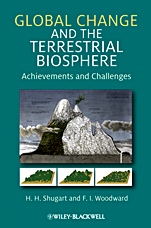
Global Change and the Terrestrial Biosphere: Achievements and Challenges
ISBN 9781444337211
Autor: H. H. Shugart, F. I. Woodward
Wydawca: Wiley
Dostępność: 3-6 tygodni
Cena: 631,05 zł
Przed złożeniem zamówienia prosimy o kontakt mailowy celem potwierdzenia ceny.
ISBN13: |
9781444337211 |
ISBN10: |
1444337211 |
Autor: |
H. H. Shugart, F. I. Woodward |
Oprawa: |
Hardback |
Rok Wydania: |
2011-01-07 |
Ilość stron: |
216 |
Wymiary: |
237x168 |
Tematy: |
PS |
Global climate change challenges ecologists to synthesize what we know to solve a problem with deep historical roots in our discipline. In ecology, the question, “How do terrestrial ecosystems interact with the other earth systems to produce planetary change?” has sufficient depth to be the focal challenge. This central question is sharpened further as the changes that we may be manifesting upon our planet’s systems of land, sea, air and ice can have potential consequences for the future of human civilization.
This book provides the depth of the history of global ecology and reviews the breadth of the ideas being studied today. Each chapter starts with a brief narrative about a scientist whose work traces forward into today’s issues in global ecosystems. The discussions are framed in a growing realization that we may be altering the way our planet functions almost before we have gained the necessary knowledge of how it works at all.
Spis treści:
Preface.
1 Climatic change: ecology’s big question.
1.1 Early environmental biogeography: from mapping plant species distributions to mapping vegetation.
1.2 Global distributions of vegetation.
1.3 Formation or biome interactions with climate.
1.4 Concluding comments.
References and notes.
2 The kaleidoscope of past vegetation patterns.
2.1 Vegetation in past climates: Quaternary palaeoecology.
2.2 Challenges for environmental change studies from Quaternary palaeoecology.
2.3 Concluding comments.
References and notes.
3 The complication of time and space scales.
3.1 The ecosystem concept and scale.
3.2 Scale and the global dynamics of carbon.
3.3 Formulation of ecological models.
3.4 Interactive mosaic models.
3.5 Concluding comments.
References and notes.
4 Meeting the climate change challenge.
4.1 Historical roots of the ′gr
eenhouse warming′ concept.
4.2 Climate and vegetation: the challenge of prediction.
4.3 What is the signifi cance of global climate change on Earth′s vegetation?
4.4 Mosaic landscape models.
4.5 Homogeneous landscape models and climate change.
4.6 Interactive global mosaic models.
4.7 Concluding comments.
References and notes.
5 Dynamic vegetation modelling using individual–based models.
5.1 Gap models: structure and model development.
5.2 History of gap model development.
5.3 Global climate change assessment applications of gap models.
5.4 Theoretical implications for global change ecology from gap models.
5.5 Concluding comments.
References and notes.
6 Vegetation futures and the rise of dynamic global vegetation models.
6.1 Including the effects of land surface attributes and dynamics in climate models.
6.2 Dynamic global vegetation models.
6.3 The development of dynamic global vegetation models.
6.4 Investigating differences in dynamic global vegetation model simulations.
6.5 Vegetation feedbacks on climate.
6.6 Observations of recent vegetation change.
6.7 Concluding comments.
References and notes.
7 Climate–changed futures – how different will they be?
7.1 The future view from the Intergovernmental Panel on Climate Change.
7.2 Carrying on from where the world was before now.
7.3 Carrying on from where the world is now.
7.4 Future realizations.
7.5 Concluding considerations.
References and notes.
8 Climate change and global plant diversity.
8.1 Making future predictions of diversity.
8.2 Getting at the mechanisms that control species diversity.
8.3 Simulating the impact of changing climate and CO2 on future diversity.
8.4 The naturalization of invasive species.
8.5 Concluding remarks.
References and notes.
9 Epilogue.
References and notes.
Index.
Nota biograficz
na:
H.H. ("Hank") Shugart is a systems ecologist who has developed and tested models of biogeochemical cycles, energy flow and secondary succession. He uses individual–based computer models to simulate changes in forest structure and composition over time and in response to environmental change.
Ian Woodward is a plant ecologist interested in the impacts of climate and changing carbon dioxide concentrations on plants and vegetation. His research on global climate change makes extensive uses of dynamic global vegetation models.
Okładka tylna:
Global climate change challenges ecologists to synthesize what we know to solve a problem with deep historical roots in our discipline. In ecology, the question, “How do terrestrial ecosystems interact with the other earth systems to produce planetary change?” has sufficient depth to be the focal challenge. This central question is sharpened further as the changes that we may be manifesting upon our planet’s systems of land, sea, air and ice can have potential consequences for the future of human civilization.
This book provides the depth of the history of global ecology and reviews the breadth of the ideas being studied today. Each chapter starts with a brief narrative about a scientist whose work traces forward into today’s issues in global ecosystems. The discussions are framed in a growing realization that we may be altering the way our planet functions almost before we have gained the necessary knowledge of how it works at all.
Koszyk
Książek w koszyku: 0 szt.
Wartość zakupów: 0,00 zł
Informacje


Kontakt
Gambit
Centrum Oprogramowania
i Szkoleń Sp. z o.o.
Al. Pokoju 29b/22-24
31-564 Kraków
Siedziba Księgarni
ul. Kordylewskiego 1
31-542 Kraków
+48 12 410 5991
+48 12 410 5987
+48 12 410 5989
Subskrypcje
Administratorem danych osobowych jest firma Gambit COiS Sp. z o.o. Na podany adres będzie wysyłany wyłącznie biuletyn informacyjny.
Autoryzacja płatności

Informacje na temat autoryzacji płatności poprzez PayU.

© Copyright 2012: GAMBIT COiS Sp. z o.o. Wszelkie prawa zastrzeżone.
Projekt i wykonanie: Alchemia Studio Reklamy