


Wydawcy
Katalog tematyczny
- Archeologia (109)
- Ekonomia, finanse, business (13704)
- Filozofia (1445)
- Historia (3040)
- Języki i językoznawstwo (2356)
- Lifestyle, hobby i rozrywka (475)
- Medycyna (9704)
- Nauki humanistyczne (4)
- Nauki o Ziemi i środowisku (2638)
- Nauki ścisłe (20412)
- Astronomia (294)
- Biologia (5119)
- Biochemia (575)
- Biologia człowieka (14)
- Biologia komórkowa (377)
- Biologia molekularna (398)
- Biologia rozwoju (130)
- Biologia, ogólnie (1277)
- Botanika (280)
- Hydrobiologia (92)
- Mikrobiologia (363)
- Mykologia (22)
- Zoologia (303)
- Chemia (6540)
- Fizyka (3309)
- Matematyka (4574)
- Nauki ścisłe, ogólnie (503)
- Nauki społeczne (8486)
- Nauki techniczne (13450)
- Prawo (1696)
- Publikacje informacyjne i interdyscyplinarne (1288)
- Religia i wierzenia (917)
- Technika komputerowa (4067)
- Zdrowie, relacje międzyludzkie i rozwój osobisty (657)





Informacje szczegółowe o książce
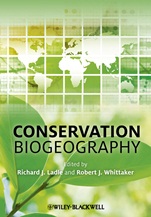
Conservation Biogeography
ISBN 9781444335033
Autor: Richard J. Ladle, Robert J. Whittaker
Wydawca: Wiley
Dostępność: 3-6 tygodni
Cena: 702,45 zł
Przed złożeniem zamówienia prosimy o kontakt mailowy celem potwierdzenia ceny.
ISBN13: |
9781444335033 |
ISBN10: |
1444335030 |
Autor: |
Richard J. Ladle, Robert J. Whittaker |
Oprawa: |
Hardback |
Rok Wydania: |
2011-02-18 |
Ilość stron: |
320 |
Wymiary: |
257x192 |
Tematy: |
PS |
The Earth s ecosystems are in the midst of an unprecedented period of change as a result of human action. Many habitats have been completely destroyed or divided into tiny fragments, others have been transformed through the introduction of new species, or the extinction of native plants and animals, while anthropogenic climate change now threatens to completely redraw the geographic map of life on this planet. The urgent need to understand and prescribe solutions to this complicated and interlinked set of pressing conservation issues has lead to the transformation of the venerable academic discipline of biogeography the study of the geographic distribution of animals and plants. The newly emerged sub–discipline of conservation biogeography uses the conceptual tools and methods of biogeography to address real world conservation problems and to provide predictions about the fate of key species and ecosystems over the next century. This book provides the first comprehensive review of the field in a series of closely interlinked chapters addressing the central issues within this exciting and important subject.
List of Contributors
SECTION 1: ROOTS, RELEVANCE, AIMS, AND VALUES
1 The roots of conservation biogeography (Robert J. Whittaker and Richard J. Ladle).
2 Social values and conservation biogeography (Richard J. Ladle, Paul Jepson and Lindsey Gillson).
3 Base–lines, patterns and process (Lindsey Gillson, Richard J. Ladle and Miguel B. Araújo).
SECTION 2: THE DISTRIBUTION OF DIVERSITY: CHALLENGES AND APPLICATIONS
4 Basic biogeography: estimating biodiversity and mapping nature (Brett R. Riddle, Richard J. Ladle, Sara Lourie, Robert J. Whittaker).
5 The shaping of the global protected area estate (Paul Jepson, Robert J. Whittaker & Sara Lourie).
6 Systematic conservation planning: past, present, and future (James E.M. Watson, Hedley S. Grantham, Kerrie A. Wilson and Hugh P. Possingham).
SECTION 3: CONSERVATION PLANNING IN A CHANGING WORLD
7 Planning for persistence in a changing world (Richard A. Fuller, Richard J. Ladle, Robert J. Whittaker & Hugh P. Possingham
8 Applied island biogeography (Kostas A. Triantis and Shonil A. Bhagwat).
9 Biological invasions and the homogenization of faunas and floras (Julian D. Olden, Julie L. Lockwood, and Catherine L. Parr).
SECTION 4: FUTURE DIRECTIONS
10 Prospects and challenges (Richard J. Ladle & Robert J. Whittaker).
Glossary of Terms.
References.
Index.
Richard J. Ladle was the founding Director of Oxford University s MSc in Biodiversity, Conservation and Management. Since 2009 he has been working in Brazil as an international conservation consultant and science writer. He is currently a Visiting Professor at the Federal University of Alagoas, teaching and doing research on diverse and interdisciplinary aspects of conservation, biogeography and ecology.
Robert J. Whittaker is the current Academic Director of the MSc Biodiversity Conservation and Management, and holds the title of Professor of Biogeography in the School of Geography and the Environment, University of Oxford. He is a founding member and past President (2009 2010) of the International Biogeography Society. He is currently editor–in–chief of the Journal of Biogeography. He has a long–standing interest in island biogeography, patterns and processes controlling diversity, and the application of biogeography to conservation.
In all of these respects, this volume succeeds admirably, and deserves a place of prominence in any conservation biologist s perspective on how to advance our field. (The Quarterly Review of Biology, 1 June 2013)
With a glossary and references, this book will be very useful for students. (Mammalia, 1 January 2013)
The entire collection certainly has a distinctive and unique niche among ecological texts. It is aimed at a postgraduate market and is most likely to be used by conservationists and planners who daily face the problems with which these essays deal. (Bulletin of the British Ecological Society, 1 June 2012)
Ladle, Whittaker, and their contributors have provided a volume that is informative, engaging, and respectful of the many scientists, naturalists, and practitioners who work and philosophies inform contemporary biogeographic research and its application. ( Ecology, 1 March 2012)"This book provides an excellent foundation for that field and is highly recommended reading forstudents, scientists and practitioners of conservation." (Frontiers of Biogeography, 3 March 2011)
"This book represents a nice, clear presentation of conservation biogeography from the perspective of ecological biogeography ... We sincerely congratulate the editors and we believe that this book represents a gateway to a new vision of conservation."" (Biological Conservation Reviewers, 2011)
"Conservation Biogeography provides an exceptionally well–done introduction to, and status report of, an emerging field of inquiry. . . Summing Up: Essential. All readership levels." (Choice, 1 September 2011)
Koszyk
Książek w koszyku: 0 szt.
Wartość zakupów: 0,00 zł
Informacje


Kontakt
Gambit
Centrum Oprogramowania
i Szkoleń Sp. z o.o.
Al. Pokoju 29b/22-24
31-564 Kraków
Siedziba Księgarni
ul. Kordylewskiego 1
31-542 Kraków
+48 12 410 5991
+48 12 410 5987
+48 12 410 5989
Subskrypcje
Administratorem danych osobowych jest firma Gambit COiS Sp. z o.o. Na podany adres będzie wysyłany wyłącznie biuletyn informacyjny.
Autoryzacja płatności

Informacje na temat autoryzacji płatności poprzez PayU.

© Copyright 2012: GAMBIT COiS Sp. z o.o. Wszelkie prawa zastrzeżone.
Projekt i wykonanie: Alchemia Studio Reklamy