


Wydawcy
Katalog tematyczny
- Archeologia (109)
- Ekonomia, finanse, business (13704)
- Filozofia (1445)
- Historia (3040)
- Języki i językoznawstwo (2356)
- Lifestyle, hobby i rozrywka (475)
- Medycyna (9704)
- Nauki humanistyczne (4)
- Nauki o Ziemi i środowisku (2638)
- Nauki ścisłe (20412)
- Nauki społeczne (8486)
- Nauki techniczne (13450)
- Budownictwo lądowe (1045)
- Budownictwo komunikacyjne (9)
- Hydraulika (33)
- Konstrukcje budowlane (95)
- Mechanika konstrukcji (182)
- Przemysł budowlany (7)
- Chemia przemysłowa (2258)
- Elektronika i telekomunikacja (3287)
- Energetyka (1122)
- Inne nauki stosowane (363)
- Inżynieria biochemiczna (507)
- Inżynieria transportu (232)
- Mechanika i materiały (3316)
- Nauka o środowisku (321)
- Rolnictwo (507)
- Technika, ogólnie (475)
- Prawo (1696)
- Publikacje informacyjne i interdyscyplinarne (1288)
- Religia i wierzenia (917)
- Technika komputerowa (4067)
- Zdrowie, relacje międzyludzkie i rozwój osobisty (657)





Informacje szczegółowe o książce
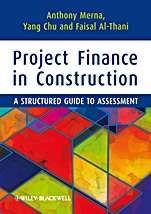
Project Finance in Construction: A Structured Guide to Assessment
ISBN 9781444334777
Autor: Tony Merna, Yang Chu, Faisal F. Al–Thani
Wydawca: Wiley
Dostępność: 3-6 tygodni
Cena: 397,95 zł
Przed złożeniem zamówienia prosimy o kontakt mailowy celem potwierdzenia ceny.
ISBN13: |
9781444334777 |
ISBN10: |
1444334778 |
Autor: |
Tony Merna, Yang Chu, Faisal F. Al–Thani |
Oprawa: |
Paperback |
Rok Wydania: |
2010-07-23 |
Ilość stron: |
192 |
Wymiary: |
244x174 |
Tematy: |
TN |
Project finance in construction procurement has spread worldwide from power stations and waste–disposal plants to telecommunication facilities, bridges, tunnels, railway networks, and now also to the building of hospitals and schools.
Despite a financial assessment of PF projects being fundamental to the lender’s decision, there is little understanding of how the use of finance is perceived by individual stakeholders; why and how a financial assessment is performed; who should be involved; where and when it should take place; what data should be used; and how financial assessments should be presented.
The steps outlined in this guide provide a basic understanding for all those involved in structuring or assessing project finance. Secondary contracts involving constructors, operators, finance providers, suppliers and offtakers can be developed and assessed to determine their commercial viability over a project’s life cycle.
Any uncertainty in financial markets prompts sponsors of construction project financings to carefully consider bank liquidity, the higher cost of finance, and general uncertainty for demand. This results in the postponement of projects and the drastic reduction of governments′ tax receipts, which in turn affects their ability to finance infrastructure projects.
Project Finance in Construction offers a structured process for determining the commercial viability of large construction projects procured with project finance (PF). It explains how to use economic metrics in the decision–making process and provides a detailed case study showing how stakeholders apply the concept of project finance.
This guide will enable students and academics involved in project finance as well as project managers worldwide to develop their own assessment structures and be confident in their use.
Nota biograficzna:
Anthony Merna is senior partner of Oriel Group Practice, a multidisc
iplinary research and consultancy practice based in Manchester and a visiting lecturer to Manchester Business School at the University of Manchester. He has been teaching Project Finance for the last 14 years to a number of UK and overseas universities, businesses and government agencies.
Yang Chu is a graduate of the School of Mechanical, Aerospace and Civil Engineering at the University of Manchester and a research consultant with Oriel Group Practice specialising in the areas of project finance and risk modelling. He is currently carrying out risk management research at Manchester Business School.
Faisal Al–Thani is Senior Development Manager, Middle East for Maersk Oil based in Doha and a board member of the Marsh International Risk Council.
Okładka tylna:
Project finance in construction procurement has spread worldwide from power stations and waste–disposal plants to telecommunication facilities, bridges, tunnels, railway networks, and now also to the building of hospitals and schools.
Despite a financial assessment of PF projects being fundamental to the lender’s decision, there is little understanding of how the use of finance is perceived by individual stakeholders; why and how a financial assessment is performed; who should be involved; where and when it should take place; what data should be used; and how financial assessments should be presented.
The steps outlined in this guide provide a basic understanding for all those involved in structuring or assessing project finance. Secondary contracts involving constructors, operators, finance providers, suppliers and offtakers can be developed and assessed to determine their commercial viability over a project’s life cycle.
Any uncertainty in financial markets prompts sponsors of construction project financings to carefully consider bank liquidity, the higher cost of finance, and general uncertainty for demand. This results in the
postponement of projects and the drastic reduction of governments′ tax receipts, which in turn affects their ability to finance infrastructure projects.
Project Finance in Construction offers a structured process for determining the commercial viability of large construction projects procured with project finance (PF). It explains how to use economic metrics in the decision–making process and provides a detailed case study showing how stakeholders apply the concept of project finance.
This guide will enable students and academics involved in project finance as well as project managers worldwide to develop their own assessment structures and be confident in their use.
Koszyk
Książek w koszyku: 0 szt.
Wartość zakupów: 0,00 zł
Informacje


Kontakt
Gambit
Centrum Oprogramowania
i Szkoleń Sp. z o.o.
Al. Pokoju 29b/22-24
31-564 Kraków
Siedziba Księgarni
ul. Kordylewskiego 1
31-542 Kraków
+48 12 410 5991
+48 12 410 5987
+48 12 410 5989
Subskrypcje
Administratorem danych osobowych jest firma Gambit COiS Sp. z o.o. Na podany adres będzie wysyłany wyłącznie biuletyn informacyjny.
Autoryzacja płatności

Informacje na temat autoryzacji płatności poprzez PayU.

© Copyright 2012: GAMBIT COiS Sp. z o.o. Wszelkie prawa zastrzeżone.
Projekt i wykonanie: Alchemia Studio Reklamy