


Wydawcy
Katalog tematyczny
- Archeologia (109)
- Ekonomia, finanse, business (13704)
- Filozofia (1445)
- Historia (3040)
- Języki i językoznawstwo (2356)
- Lifestyle, hobby i rozrywka (475)
- Medycyna (9704)
- Nauki humanistyczne (4)
- Nauki o Ziemi i środowisku (2638)
- Nauki ścisłe (20412)
- Astronomia (294)
- Biologia (5119)
- Biochemia (575)
- Biologia człowieka (14)
- Biologia komórkowa (377)
- Biologia molekularna (398)
- Biologia rozwoju (130)
- Biologia, ogólnie (1277)
- Botanika (280)
- Hydrobiologia (92)
- Mikrobiologia (363)
- Mykologia (22)
- Zoologia (303)
- Chemia (6540)
- Fizyka (3309)
- Matematyka (4574)
- Nauki ścisłe, ogólnie (503)
- Nauki społeczne (8486)
- Nauki techniczne (13450)
- Prawo (1696)
- Publikacje informacyjne i interdyscyplinarne (1288)
- Religia i wierzenia (917)
- Technika komputerowa (4067)
- Zdrowie, relacje międzyludzkie i rozwój osobisty (657)





Informacje szczegółowe o książce
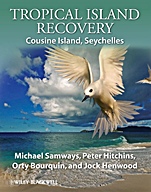
Tropical Island Recovery: Cousine Island, Seychelles
ISBN 9781444333091
Autor: Michael Samways, Peter Hitchins, Dr Orty Bourquin, Dr Jock Henwood
Wydawca: Wiley
Dostępność: 3-6 tygodni
Cena: 605,85 zł
Przed złożeniem zamówienia prosimy o kontakt mailowy celem potwierdzenia ceny.
ISBN13: |
9781444333091 |
ISBN10: |
1444333097 |
Autor: |
Michael Samways, Peter Hitchins, Dr Orty Bourquin, Dr Jock Henwood |
Oprawa: |
Hardback |
Rok Wydania: |
2010-04-13 |
Ilość stron: |
260 |
Wymiary: |
257x224 |
Tematy: |
PS |
Tropical islands around the world are losing much of their biodiversity. Cousine Island, Seychelles, is a remarkable example of recovery which runs countercurrent to this trend of tropical island impoverishment. From a highly degraded island in the 1960s, Cousine Island is now a revitalized carpet of natural vegetation and a haven for nesting seabirds. All alien vertebrates have been eradicated, as have most of the invasive alien plants. Poaching of nesting marine turtles and shearwaters has stopped, leading to an increase in breeding numbers. The Sooty tern has returned to the Island to breed after an absence of 30 years. The coastal plain has been restored with indigenous trees, bringing back the historic forest type. Rats, mice and crazy ants, and other alien organisms, are kept off the Island by strict quarantine measures. Three threatened Seychelles endemic land birds (Seychelles warbler, Seychelles magpie robin and Seychelles white–eye) have been established and are breeding successfully. Overall, the Island restoration programme has improved the compositional, structural and functional biodiversity of the island. The coral reefs are also recovering after the mass coral bleaching event at the end of the last century. Cousine Island is thus paving the way in the craft and science of tropical island restoration as a legacy for future generations.
This book is about the recovery of Cousine Island and its natural history, told in much detail and with profuse illustration. It is for restoration ecologists, tropical ecologists, island enthusiasts, and for anyone interested in tropical island natural history.
Spis treści:
Foreword by Sir James Mancham
Acknowledgements
Cousine Island in a world context
Cousine as a Seychelles island
Cousine Island’s conservation significance in a nutshell
How humans nearly pushed Cousine past the tipping point
The changing seasons
The lie of the land
Cousine′s rocks,
soils and sand
The moody sea
Cousine′s green carpet
Cousine′s woody cloak
Cousine′s vegetation reprieve
Sponges, corals and the great bleaching event
Life in the shallow sea: from shells to urchins
Between sea and land: a variety of crabs
Ecological webmasters: terrestrial invertebrates
A rich tapestry of fish life
Cousine as a haven for turtles
Of tortoises, lizards and snakes
Overcoming the extinction of experience: sea bird haven
Aquatic and shore birds
A truly successful story: endemic land birds
The welcome and the unwelcome: vagrant and alien birds
Visiting mammals to Cousine
Cousine Island in the world today, and its future
Scientific summary
List of species recorded on and around Cousine
Glossary
Bibliography
Photographic and artwork credits
About the authors
Index
Nota biograficzna:
Michael Samways is Professor and Chair of the Department of Conservation Ecology and Entomology, Stellenbosch University, South Africa.
Peter Hitchins was Cousine Island Manager 1995–2001, and Conservation Advisor to the Island 2002–2004.
Orty Bourquin was Conservation Consultant to Cousine Island during instigation of the Island’s Management Plan.
Jock Henwood has been Cousine Island Manager, 2002–present.
Okładka tylna:
Tropical islands around the world are losing much of their biodiversity. Cousine Island, Seychelles, is a remarkable example of recovery which runs countercurrent to this trend of tropical island impoverishment. From a highly degraded island in the 1960s, Cousine Island is now a revitalized carpet of natural vegetation and a haven for nesting seabirds. All alien vertebrates have been eradicated, as have most of the invasive alien plants. Poaching of nesting marine turtles and shearwaters has stopped, leading to an increase in breeding numbers. The Sooty tern has returned to
the Island to breed after an absence of 30 years. The coastal plain has been restored with indigenous trees, bringing back the historic forest type. Rats, mice and crazy ants, and other alien organisms, are kept off the Island by strict quarantine measures. Three threatened Seychelles endemic land birds (Seychelles warbler, Seychelles magpie robin and Seychelles white–eye) have been established and are breeding successfully. Overall, the Island restoration programme has improved the compositional, structural and functional biodiversity of the island. The coral reefs are also recovering after the mass coral bleaching event at the end of the last century. Cousine Island is thus paving the way in the craft and science of tropical island restoration as a legacy for future generations.
This book is about the recovery of Cousine Island and its natural history, told in much detail and with profuse illustration. It is for restoration ecologists, tropical ecologists, island enthusiasts, and for anyone interested in tropical island natural history.
Koszyk
Książek w koszyku: 0 szt.
Wartość zakupów: 0,00 zł
Informacje


Kontakt
Gambit
Centrum Oprogramowania
i Szkoleń Sp. z o.o.
Al. Pokoju 29b/22-24
31-564 Kraków
Siedziba Księgarni
ul. Kordylewskiego 1
31-542 Kraków
+48 12 410 5991
+48 12 410 5987
+48 12 410 5989
Subskrypcje
Administratorem danych osobowych jest firma Gambit COiS Sp. z o.o. Na podany adres będzie wysyłany wyłącznie biuletyn informacyjny.
Autoryzacja płatności

Informacje na temat autoryzacji płatności poprzez PayU.

© Copyright 2012: GAMBIT COiS Sp. z o.o. Wszelkie prawa zastrzeżone.
Projekt i wykonanie: Alchemia Studio Reklamy