


Wydawcy
Katalog tematyczny
- Archeologia (109)
- Ekonomia, finanse, business (13704)
- Filozofia (1445)
- Historia (3040)
- Języki i językoznawstwo (2356)
- Lifestyle, hobby i rozrywka (475)
- Medycyna (9704)
- Nauki humanistyczne (4)
- Nauki o Ziemi i środowisku (2638)
- Nauki ścisłe (20412)
- Nauki społeczne (8486)
- Edukacja (229)
- Kryminologia, opieka spełeczna (284)
- Obronność (10)
- Polityka (1389)
- Psychologia (777)
- Socjologia (410)
- Społeczeństwo i kultura (187)
- Nauki techniczne (13450)
- Prawo (1696)
- Publikacje informacyjne i interdyscyplinarne (1288)
- Religia i wierzenia (917)
- Technika komputerowa (4067)
- Zdrowie, relacje międzyludzkie i rozwój osobisty (657)





Informacje szczegółowe o książce
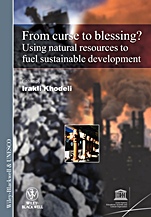
From Curse To Blessing?: Using Natural Resources To Fuel Sustainable Development
ISBN 9781405196970
Autor: Irakli Khodeli
Wydawca: Wiley
Dostępność: 3-6 tygodni
Cena: 156,45 zł
Przed złożeniem zamówienia prosimy o kontakt mailowy celem potwierdzenia ceny.
ISBN13: |
9781405196970 |
ISBN10: |
1405196971 |
Autor: |
Irakli Khodeli |
Oprawa: |
Paperback |
Rok Wydania: |
2009-08-21 |
Ilość stron: |
176 |
Wymiary: |
248x174 |
Tematy: |
JB |
How can revenues derived from natural resource exploitation be translated into real benefits for the citizens of resource–rich countries? This is an urgent question. Despite unprecedentedly high prices of natural resources such as oil and gas on the global market, resource–rich countries are home to over 60% of the world’s poorest people. Twelve of the world’s 25 most mineral–dependent states, and six of the world’s 25 most oil–dependent states, are classified by the World Bank as "highly indebted poor countries", with some of the world’s worst Human Development Indicators.
This counterintuitive phenomenon is known as the “resource curse”. Mineral wealth, it seems, sometimes impoverishes countries. This presents a major obstacle for the international community in the fight against poverty and in the achievement of the Millennium Development Goals. By refining the insights into the relationship between natural resources and sustainable development, the authors in this volume contribute to the ongoing debate on ways to lift the curse, and suggest policy interventions to break the vicious circle.
The articles, which derive from a wide range of academic disciplines such as political science, international relations, developmental economics, as well as from the practitioners in the field of energy, cover a broad range of topics, and employ different methods of inquiry. Some take an empirical approach and use cross–country comparisons to test various hypotheses on the relationship between natural wealth and growth, while others focus on particular countries, such as Azerbaijan, Democratic Republic of Congo, Nigeria and the Russian Federation. All converge on one point – that domestic institutions make a significant difference. With good governance, the exploitation of resources can generate revenues that will foster growth and reduce poverty.
Spis tre"
7;ci:
Part I: Natural resource wealth, good governance, transparency and sustainable development: a general debate.
1. Introduction (Irakli Khodeli).
2. Resolving conflicts of interest in state–owned enterprises (Jenik Radon and Julius Thaler).
3. The devil’s excrements as social cement: natural resources and political terror, 1980–2002 (Indra de Soysa and Helga Malmin Binningsbø).
4. Natural resource rent–cycling outcomes in Botswana, Indonesia and Venezuela (Richard M. Auty).
5. Governance strategies to remedy the natural resource curse (Joseph Siegle).
6. Budget transparency and development in resource–dependent countries (Paolo de Renzio, Pamela Gomez and James Sheppard).
7. Before the peak: impacts of oil shortages on the developing world (Ben W. Ebenhack and Daniel M. Martínez).
Part II: A view from the field.
8. Social and economic implications of oil policy development in Nigeria (Alexis Rwabizambuga).
9. The public oversight of oil projects in Azerbaijan, 2004–2007 (Farda Asadov).
10. Energy relations in Russia: administration, politics and security (Andrey Makarychev).
11. Doing business with integrity: the experience of Anglogold Ashanti in the Democratic Republic of Congo (Paul Kapelus, Ralph Hamann and Edward O’Keefe).
Part III: A view from the industry.
12. The IPIECA social responsibility working group and human rights (Jenny Owens).
Index.
Nota biograficzna:
Irakli Khodeli is the Assistant Programme Specialist in the Bioethics Section at UNESCO.
Okładka tylna:
How can revenues derived from natural resource exploitation be translated into real benefits for the citizens of resource–rich countries? This is an urgent question. Despite unprecedentedly high prices of natural resources such as oil and gas on the global market, resource–rich countri
es are home to over 60% of the world’s poorest people. Twelve of the world’s 25 most mineral–dependent states, and six of the world’s 25 most oil–dependent states, are classified by the World Bank as "highly indebted poor countries", with some of the world’s worst Human Development Indicators.
This counterintuitive phenomenon is known as the “resource curse”. Mineral wealth, it seems, sometimes impoverishes countries. This presents a major obstacle for the international community in the fight against poverty and in the achievement of the Millennium Development Goals. By refining the insights into the relationship between natural resources and sustainable development, the authors in this volume contribute to the ongoing debate on ways to lift the curse, and suggest policy interventions to break the vicious circle.
The articles, which derive from a wide range of academic disciplines such as political science, international relations, developmental economics, as well as from the practitioners in the field of energy, cover a broad range of topics, and employ different methods of inquiry. Some take an empirical approach and use cross–country comparisons to test various hypotheses on the relationship between natural wealth and growth, while others focus on particular countries, such as Azerbaijan, Democratic Republic of Congo, Nigeria and the Russian Federation. All converge on one point – that domestic institutions make a significant difference. With good governance, the exploitation of resources can generate revenues that will foster growth and reduce poverty.
Koszyk
Książek w koszyku: 0 szt.
Wartość zakupów: 0,00 zł
Informacje


Kontakt
Gambit
Centrum Oprogramowania
i Szkoleń Sp. z o.o.
Al. Pokoju 29b/22-24
31-564 Kraków
Siedziba Księgarni
ul. Kordylewskiego 1
31-542 Kraków
+48 12 410 5991
+48 12 410 5987
+48 12 410 5989
Subskrypcje
Administratorem danych osobowych jest firma Gambit COiS Sp. z o.o. Na podany adres będzie wysyłany wyłącznie biuletyn informacyjny.
Autoryzacja płatności

Informacje na temat autoryzacji płatności poprzez PayU.

© Copyright 2012: GAMBIT COiS Sp. z o.o. Wszelkie prawa zastrzeżone.
Projekt i wykonanie: Alchemia Studio Reklamy