


Wydawcy
Katalog tematyczny
- Archeologia (109)
- Ekonomia, finanse, business (13704)
- Filozofia (1445)
- Historia (3040)
- Języki i językoznawstwo (2356)
- Lifestyle, hobby i rozrywka (475)
- Medycyna (9704)
- Chirurgia (272)
- Inne gałęzie medycyny (1871)
- Medycyna kliniczna (4187)
- Choroby wewnętrzne (514)
- Dermatologia (51)
- Diagnostyka medyczna (3)
- Endokrynologia (144)
- Gastroenterologia (27)
- Geriatria (50)
- Ginekologia i położnictwo (134)
- Hematologia (46)
- Hepatologia (10)
- Kardiologia (71)
- Laryngologia (12)
- Nefrologia (10)
- Neurologia (500)
- Oftalmologia (50)
- Pediatria (33)
- Pulmunologia (32)
- Reumatologia (14)
- Terapia genowa (1)
- Układ mięśniowo-szkieletowy (1)
- Urologia (14)
- Medycyna niekonwencjonalna (14)
- Medycyna przedkliniczna (269)
- Medycyna, ogólnie (1740)
- Medyczne służby pomocnicze (745)
- Studia medyczne (16)
- Weterynaria (548)
- Nauki humanistyczne (4)
- Nauki o Ziemi i środowisku (2638)
- Nauki ścisłe (20412)
- Nauki społeczne (8486)
- Nauki techniczne (13450)
- Prawo (1696)
- Publikacje informacyjne i interdyscyplinarne (1288)
- Religia i wierzenia (917)
- Technika komputerowa (4067)
- Zdrowie, relacje międzyludzkie i rozwój osobisty (657)





Informacje szczegółowe o książce
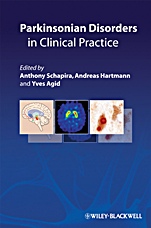
Parkinsonian Disorders in Clinical Practice
ISBN 9781405196017
Autor: Anthony Schapira, Andreas Hartmann, Yves Agid
Wydawca: Wiley
Dostępność: 3-6 tygodni
Cena: 379,05 zł
Przed złożeniem zamówienia prosimy o kontakt mailowy celem potwierdzenia ceny.
ISBN13: |
9781405196017 |
ISBN10: |
1405196017 |
Autor: |
Anthony Schapira, Andreas Hartmann, Yves Agid |
Oprawa: |
Paperback |
Rok Wydania: |
2009-05-08 |
Ilość stron: |
208 |
Wymiary: |
233x155 |
Tematy: |
MJ |
This book gives the reader an up–to–date, clear and logical idea of what caring for parkinsonian patients entails – a challenge that clinicians will face for many years to come. It is split into three sections:
Section 1: A compilation of the major brain lesions typically seen in PD
Section 2: Treatment options in PD
Section 3: 25 cases designed to test the reader and the practical application of the information supplied in the other sections.
Spis treści:
Preface.
Introduction.
1 What is Parkinson’s disease? From pathophysiology to symptoms (Andreas Hartmann, Yves Agid, Anthony Schapira).
I. Pathophysiology of Parkinson’s disease.
1. Dysfunctions of the main neuronal pathways in Parkinson’s disease.
a. An overview of neuronal systems affected in Parkinson’s disease.
b. Dopaminergic neurons.
c. Non–dopaminergic neurons.
2. Consequences of dopaminergic neuronal lesions on basal ganglia circuits.
a. The dopaminergic nigrostriatal system: pre– and postsynaptic compensatory mechanisms.
b. Pathologic alterations of nigrostriatal circuits in Parkinson’s disease.
3. Histopathology of Parkinson’s disease.
4. The etiopathogenesis of Parkinson’s disease.
a. The genetics of Parkinson’s disease: any clues for the sporadic forms?
b. Relevant environmental factors: focus on mitochondria.
c. Mechanisms of cell death in Parkinson’s disease: therapeutic implications.
5. Conclusions.
a. Parkinson’s disease or Parkinson’s syndromes?
b. What Parkinson’s disease is not.
II. Clinical features of Parkinson’s disease.
1. Motor symptoms.
2. Non–motor symptoms.
a. Depression.
b. Apathy.
c. Cognitive impairment.
d. Sleep.
e. Autonomic dysfunction.
f. Sensory symptoms.
3. The different forms of Parkinson’s disease: relevance for prognosis.4. The differential diagnosis of Parkinson’s disease.
5. Treatment–related symptoms.
a. Motor complications.
b. Non–motor complications.
2 Treatment of Parkinson’s disease (Anthony Schapira, Andreas Hartmann, Yves Agid).
I. Antiparkinsonian agents.
1. Levodopa.
2. COMT inhibitors.
3. Dopamine agonists.
4. Monoamine oxidase B inhibitors.
5. Other drugs.
II. Medical management.
1. Initiation of treatment.
2. Maintenance of treatment (Fig. 2.7).
3. Motor complications.
4. Management of non–motor complications.
III. Non–medical management.
1. Surgery.
2. Destructive lesions.
3. Cell therapy.
4. Growth factors.
IV. Neuroprotection.
1. MAO–B inhibitors.
2. Dopamine agonists.
3. Coenzyme Q.
4. Creatine.
5. Antiapoptotic drugs.
V. Conclusion.
3 Case studies.
Case studies—diagnostic index.
Index.
Koszyk
Książek w koszyku: 0 szt.
Wartość zakupów: 0,00 zł
Informacje


Kontakt
Gambit
Centrum Oprogramowania
i Szkoleń Sp. z o.o.
Al. Pokoju 29b/22-24
31-564 Kraków
Siedziba Księgarni
ul. Kordylewskiego 1
31-542 Kraków
+48 12 410 5991
+48 12 410 5987
+48 12 410 5989
Subskrypcje
Administratorem danych osobowych jest firma Gambit COiS Sp. z o.o. Na podany adres będzie wysyłany wyłącznie biuletyn informacyjny.
Autoryzacja płatności

Informacje na temat autoryzacji płatności poprzez PayU.

© Copyright 2012: GAMBIT COiS Sp. z o.o. Wszelkie prawa zastrzeżone.
Projekt i wykonanie: Alchemia Studio Reklamy