


Wydawcy
Katalog tematyczny
- Archeologia (109)
- Ekonomia, finanse, business (13704)
- Filozofia (1445)
- Historia (3040)
- Języki i językoznawstwo (2356)
- Lifestyle, hobby i rozrywka (475)
- Medycyna (9704)
- Nauki humanistyczne (4)
- Nauki o Ziemi i środowisku (2638)
- Nauki ścisłe (20412)
- Nauki społeczne (8486)
- Nauki techniczne (13450)
- Prawo (1696)
- Publikacje informacyjne i interdyscyplinarne (1288)
- Religia i wierzenia (917)
- Technika komputerowa (4067)
- Zdrowie, relacje międzyludzkie i rozwój osobisty (657)





Informacje szczegółowe o książce
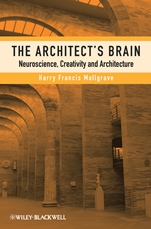
The Architects Brain: Neuroscience, Creativity, and Architecture
ISBN 9781405195850
Autor: Harry Francis Mallgrave
Wydawca: Wiley
Dostępność: 3-6 tygodni
Cena: 570,15 zł
Przed złożeniem zamówienia prosimy o kontakt mailowy celem potwierdzenia ceny.
ISBN13: |
9781405195850 |
ISBN10: |
1405195851 |
Autor: |
Harry Francis Mallgrave |
Oprawa: |
Hardback |
Rok Wydania: |
2010-01-12 |
Ilość stron: |
290 |
Wymiary: |
246x163 |
Tematy: |
AM |
Did classical and Renaissance theory in fact have a biological basis? Does the architect possess a highly specialized brain? Is neuroscience today providing architecture with a new foundation for design thought? These are a few of the compelling suggestions offered by this richly detailed study, which explores – from two perspectives – the issue of how architects and designers view the phenomenal world. In part one of The Architect′s Brain , Mallgrave sketches various moments of architectural thought over the last 500 years as a cognitive manifestation of philosophical, psychological, and physiological theory. In part two, he repositions this question from the perspective of the remarkable insights of contemporary neuroscience, particularly as they have advanced within the last decade. What emerges is a surprising neurological justification for some very timeless architectural ideas, from the multisensory nature of the architectural experience to the essential relationship of ambiguity and metaphor to creative thinking. The author cogently argues that architecture (aside from its intellectual affectations) is radically an emotional and perceptual experience grounded in biological values that should be placed in the foreground. Not since Richard Neutra′s Survival Through Design (1954) has such a provocative thesis been put forth in the field of architectural theory.
Introduction Part One: Historical Essays 1. The Humanist Brain (Alberti, Vitruvius, and Leonardo). 2. The Enlightened Brain (Perrault, Laugier, and Le Roy). 3. The Sensational Brain (Burke, Price, and Knight). 4. The Transcendental Brain (Kant and Schopenhauer). 5. The Animate Brain (Schinkel, Bötticher, and Semper). 6. The Empathetic Brain (Vischer, Wölfflin, and Göller). 7. The Gestalt Brain (The Dynamics of the Sensory Field). 8. The Neurological Brain (Hayek, Hebb, and Neutra). 9. The Phenomenal Brain (Merleau–Ponty, Rasmussen, and Pallasmaa). Part Two: Neuroscience and Architecture. 10. Anatomy: Architecture of the Brain. 11. Ambiguity: Architecture of Vision. 12. Metaphor: Architecture of Embodiment. 13. Hapticity: Architecture of the Senses. 14. Epilogue: The Architect′s Brain. Endnotes. Bibliography. Index.
Harry Francis Mallgrave is a professor of architecture at Illinois Institute of Technology and has enjoyed a distinguished career as an award–winning scholar, translator, and architect. His most recent publications include Modern Architectural Theory: A Historical Survey, 1673–1968 , and the two–volume Architectural Theory: An Anthology from Vitruvius to 2005 (Wiley–Blackwell 2008). His forthcoming Introduction to Architectural Theory: 1968 to the Present. A Critical History will be published by Wiley–Blackwell in 2010.
"Hence these two books from the same publisher and by the same author, Harry Francis Mallgrave, sole writer of the former and co–author with David Goodman of the second book, make a valuable contribution to this growing field of knowledge." (Architectural Review, 1 July 2011) "Since I studied architecture ... I always heard the diatribe about if architecture is an art or a science, I personally believe is both. If you’re interested in both architecture and science be sure to grab a copy of this interesting book." ( Eclectic Me Blog , April 2010)
Koszyk
Książek w koszyku: 0 szt.
Wartość zakupów: 0,00 zł
Informacje


Kontakt
Gambit
Centrum Oprogramowania
i Szkoleń Sp. z o.o.
Al. Pokoju 29b/22-24
31-564 Kraków
Siedziba Księgarni
ul. Kordylewskiego 1
31-542 Kraków
+48 12 410 5991
+48 12 410 5987
+48 12 410 5989
Subskrypcje
Administratorem danych osobowych jest firma Gambit COiS Sp. z o.o. Na podany adres będzie wysyłany wyłącznie biuletyn informacyjny.
Autoryzacja płatności

Informacje na temat autoryzacji płatności poprzez PayU.

© Copyright 2012: GAMBIT COiS Sp. z o.o. Wszelkie prawa zastrzeżone.
Projekt i wykonanie: Alchemia Studio Reklamy