


Wydawcy
Katalog tematyczny
- Archeologia (109)
- Ekonomia, finanse, business (13704)
- Filozofia (1445)
- Historia (3040)
- Języki i językoznawstwo (2356)
- Lifestyle, hobby i rozrywka (475)
- Medycyna (9704)
- Nauki humanistyczne (4)
- Nauki o Ziemi i środowisku (2638)
- Nauki ścisłe (20412)
- Nauki społeczne (8486)
- Edukacja (229)
- Kryminologia, opieka spełeczna (284)
- Obronność (10)
- Polityka (1389)
- Psychologia (777)
- Socjologia (410)
- Społeczeństwo i kultura (187)
- Nauki techniczne (13450)
- Prawo (1696)
- Publikacje informacyjne i interdyscyplinarne (1288)
- Religia i wierzenia (917)
- Technika komputerowa (4067)
- Zdrowie, relacje międzyludzkie i rozwój osobisty (657)





Informacje szczegółowe o książce
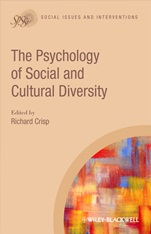
The Psychology of Social and Cultural Diversity
ISBN 9781405195621
Autor: Richard J. Crisp
Wydawca: Wiley
Dostępność: 3-6 tygodni
Cena: 493,50 zł
Przed złożeniem zamówienia prosimy o kontakt mailowy celem potwierdzenia ceny.
ISBN13: |
9781405195621 |
ISBN10: |
1405195622 |
Autor: |
Richard J. Crisp |
Oprawa: |
Hardback |
Rok Wydania: |
2010-07-23 |
Ilość stron: |
384 |
Wymiary: |
235x154 |
Tematy: |
JC |
The nature of society is rapidly changing. Traditional social, cultural and geographic boundaries are being replaced with increasingly complex representations of identity. We are required to confront new ways of partitioning our social worlds, and this in turn creates new questions and demands for social scientists and policymakers.
This volume offers, for the first time, an integrated approach to these questions and demands, exploring the psychological implications and applications of new forms of social and cultural diversity. Leading scholars from a diverse range of perspectives have been brought together to focus on the psychology of diversity. They discuss research from a wide range of sub–disciplines, including social identity, social cognition, creativity, self–confidence and stereotype threat, prejudice, intergroup contact, biculturalism, and organizational behavior.
The volume documents advancements in the field and explores converging links between research programs examining this critical social issue. This book offers a crucial understanding of the psychology of social and cultural diversity in the 21st century that directly addresses social intervention and policy implications, and which calls for an enduring understanding and appreciation of the value of social and cultural diversity.
Spis treści:
Prologue.
Chapter 1: Introduction to the psychology of social and cultural diversity (Richard J. Crisp).
Part 1: Social Identity.
Chapter 2: Social identity complexity and acceptance of diversity (Marilynn B. Brewer).
Chapter 3: Facilitating the development and integration of multiple social identities: The case of immigrants in Québec (Catherine E. Amiot and Roxane de la Sablonnière).
Chapter 4: Costs and benefits of switching among multiple social identities (Margaret Shih, Diana T. Sanchez and Geoffrey C. Ho).
Part 2: Culture.
Chapter 5: Multicultural identi
ty: What it is and why it matters (Angela–Minh,Tu D. Nguyen and Verónica Benet–Martínez).
Chapter 6: What I know in my mind and where my heart belongs: Multicultural identity negotiation and its cognitive consequences (Carmit T. Tadmor, Sun No, Ying–yi Hong and Chi–yue Chiu).
Part 3: Intergroup Attitudes.
Chapter 7: Multiculturalism and tolerance: An intergroup perspective (Maykel Verkuyten).
Chapter 8: Diversity experiences and intergroup attitudes (Christopher L. Aberson).
Part 4: Intergroup Relations.
Chapter 9: The effects of crossed–categorizations in intergroup interaction (Norman Miller, Marija Spanovic, and Douglas Stenstrom).
Chapter 10: Complexity of superordinate self–categories and ingroup projection (Sven Waldzus).
Part 5: Group Processes.
Chapter 11: The categorization–elaboration model of work group diversity: Wielding the double–edged sword (Daan van Knippenberg and Wendy P. van Ginkel).
Chapter 12: Divided we fall, or united we stand? How identity processes affect faultline perceptions and the functioning of diverse teams (Floor A. Rink and Karen A. Jehn).
Part 6: Interventions.
Chapter 13: Combined effects of intergroup contact and multiple categorization: Consequences for intergroup attitudes in diverse social contexts (Katharina Schmid and Miles Hewstone).
Chapter 14: The application of diversity–based interventions to policy and practice (Lindsey Cameron and Rhiannon N. Turner).
Nota biograficzna:
Richard J. Crisp is Professor of Psychology in the Centre for the Study of Group Processes at the University of Kent. He has received numerous awards including the British Psychological Society′s Spearman Medal (2006). He is joint editor of Multiple Social Categorization (with Miles Hewstone, 2006) and Essential Social Psychology (with Rhiannon Turner, 2007). He is associate editor of the Journal of Experimental Social Psychology and in 2009 was elected an Academician of the Academy of Social Sciences.
Okładka tylna:
The nature of society is rapidly changing. Traditional social, cultural and geographic boundaries are being replaced with increasingly complex representations of identity. We are required to confront new ways of partitioning our social worlds, and this in turn creates new questions and demands for social scientists and policymakers.
This volume offers, for the first time, an integrated approach to these questions and demands, exploring the psychological implications and applications of new forms of social and cultural diversity. Leading scholars from a diverse range of perspectives have been brought together to focus on the psychology of diversity. They discuss research from a wide range of sub–disciplines, including social identity, social cognition, creativity, self–confidence and stereotype threat, prejudice, intergroup contact, biculturalism, and organizational behavior.
The volume documents advancements in the field and explores converging links between research programs examining this critical social issue. This book offers a crucial understanding of the psychology of social and cultural diversity in the 21st century that directly addresses social intervention and policy implications, and which calls for an enduring understanding and appreciation of the value of social and cultural diversity.
Koszyk
Książek w koszyku: 0 szt.
Wartość zakupów: 0,00 zł
Informacje


Kontakt
Gambit
Centrum Oprogramowania
i Szkoleń Sp. z o.o.
Al. Pokoju 29b/22-24
31-564 Kraków
Siedziba Księgarni
ul. Kordylewskiego 1
31-542 Kraków
+48 12 410 5991
+48 12 410 5987
+48 12 410 5989
Subskrypcje
Administratorem danych osobowych jest firma Gambit COiS Sp. z o.o. Na podany adres będzie wysyłany wyłącznie biuletyn informacyjny.
Autoryzacja płatności

Informacje na temat autoryzacji płatności poprzez PayU.

© Copyright 2012: GAMBIT COiS Sp. z o.o. Wszelkie prawa zastrzeżone.
Projekt i wykonanie: Alchemia Studio Reklamy