


Wydawcy
Katalog tematyczny
- Archeologia (109)
- Ekonomia, finanse, business (13704)
- Filozofia (1445)
- Historia (3040)
- Języki i językoznawstwo (2356)
- Lifestyle, hobby i rozrywka (475)
- Medycyna (9704)
- Chirurgia (272)
- Inne gałęzie medycyny (1871)
- Medycyna kliniczna (4187)
- Medycyna niekonwencjonalna (14)
- Medycyna przedkliniczna (269)
- Medycyna, ogólnie (1740)
- Medyczne służby pomocnicze (745)
- Inżynieria biomedyczna (396)
- Okulistyka (1)
- Pielęgniarstwo (128)
- Położnictwo (10)
- Radiografia (2)
- Rehabilitacja (11)
- Terapia zajęciowa (2)
- Terapie specjalne (10)
- Studia medyczne (16)
- Weterynaria (548)
- Nauki humanistyczne (4)
- Nauki o Ziemi i środowisku (2638)
- Nauki ścisłe (20412)
- Nauki społeczne (8486)
- Nauki techniczne (13450)
- Prawo (1696)
- Publikacje informacyjne i interdyscyplinarne (1288)
- Religia i wierzenia (917)
- Technika komputerowa (4067)
- Zdrowie, relacje międzyludzkie i rozwój osobisty (657)





Informacje szczegółowe o książce
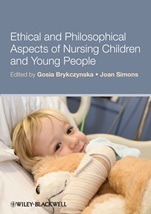
Ethical and Philosophical Aspects of Nursing Children and Young People
ISBN 9781405194143
Autor: Gosia M. Brykczynska, Joan Simons
Wydawca: Wiley
Dostępność: 3-6 tygodni
Cena: 234,15 zł
Przed złożeniem zamówienia prosimy o kontakt mailowy celem potwierdzenia ceny.
ISBN13: |
9781405194143 |
ISBN10: |
1405194146 |
Autor: |
Gosia M. Brykczynska, Joan Simons |
Oprawa: |
Paperback |
Rok Wydania: |
2011-03-04 |
Ilość stron: |
288 |
Wymiary: |
246x193 |
Tematy: |
MQCF |
Nurses and healthcare professionals are faced with ethical and philosophical dilemmas when working with children in everyday practice. Ethical and Philosophical Aspects of Nursing Children is a comprehensive text on the ethics and philosophy behind paediatric nursing, aimed at student nurses and newly qualified nurses.
It first provides a philosophical and historical analysis of the subject, looking at a review of sociological and political theories concerning the nature of childhood, and providing a critical analysis of contemporary notions about childhood. It then goes on to look at moral theories and their application to paediatric nursing practice, ethical issues when caring for children of all ages, from infancy to adolescence. It looks at issues of disabled children, confidentiality, mental health issues, children’s rights, and pain control. With case studis and activities throughout, this book wll enable students and neqly qualified nurses both to understand philosophical concepts and issues but also to articulate their own reflections and observations on these subjects.
Spis treści:
Introduction.
Chapter 1: In search of childhood – philosophical and historical analysis.
Review of the history of childhood.
Review of sociological and political theories concerning the nature of childhood.
Critical analysis of contemporary notions about childhood.
Section I .
Chapter 2: Moral theories and their application to paediatric nursing practice.
Review of ethical theories applied to nursing practice.
Review of principles of bio–ethics.
Review of virtue ethics applied to nursing practice.
Review of ethical decision–making models as applied to nursing.
Analysis and critical appraisal of current ethical approach to nursing children.
Chapter 3: Beginning of life – Neonatology – Infancy.
Complexities of treatment decisions.
Potential co
nflict of interests with parents.
Lowering the age of neonatal viability and scientific progress.
Birth defects and children as victims of aggressive treatment.
Paucity of neonatal nurses and neonatal units – governmental policies.
Chapter 4: Ethical issues in caring for Toddlers and Early School Age Children [Health Visiting / School Nursing].
Immunisation concerns.
Ethical concerns surrounding childhood obesity.
Review of the approach to care of children with chronic and life–threatening conditions in main–stream schools.
Increase in young children’s smoking and drinking habits.
Child Protection issues.
Chapter 5: Children’s perceptions of being nursed in the community.
Review of own research with analysis of current situation.
Issues concerning listening to children.
Issues around public’s perceptions of care delivery.
Education and preparation of CCNs.
Chapter 6: Care of the severely disabled child: a moral imperative.
The nature of respite and palliative care.
Issues surrounding paediatric hospice care – staffing; finances; burn–out.
Education of paediatric nurses for role.
Role of government in sustaining respite and palliative care.
Children’s concerns and concerns of parents.
Chapter 7: Adolescence – Confidentiality.
The changing nature of adolescence.
Informed consent and informed refusal among adolescents.
Philosophical aspects of confidentiality and truth–telling as relates to adolescents.
Ethical and moral aspects of disclosure of information.
Government guidelines and professional recommendations concerning confidentiality and young persons.
Chapter 8: Ethical and philosophical aspects of mental health issues for children and youngsters.
Issues surrounding the rise in children’s emotional distress.
Philosophical analysis of adolescent and childhood violence.
Ethical aspects of teenage pregnancies.
Rise in truancy and the mental health issues of street–children.
Nursing response to emotionally disturbed children.
Education and preparation of specialist mental–health paediatric nurses.
Ethical concerns over the increase in psychotic and severely disturbed children.
Children as carers of emotionally disturbed adults.
Case Study scenarios.
Bibliography and suggested further reading.
Section II.
Chapter 9: A review of children’s rights as applied to paediatric nursing.
Review of children’s rights.
Review of UNCRC and Children Act 1989/2004.
Review and analysis of UK government approaches to child health and children’s rights.
Analysis of a child’s right to appropriate healthcare in the UK.
Potential conflict of interests between Children’s Rights and healthcare concerns – examples.
Chapter 10: Children’s experience of hospitalisation and their participation in care.
Review of the literature and critical appraisal of current position concerning care of children in UK hospitals.
Review and analysis of own research and relevance to care of children today.
Chapter 11: The ethics of family care for hospitalised children.
Review of research in this area.
Review of own research and analysis of current situation.
Chapter 12: Above all do no harm: the ethics of paediatric pain Control.
A review of the extant literature.
Review of own research and recommendations for practice.
Analysis of moral issues concerning pain as perceived by the child and the nurse.
Chapter 13: Parents’ perspectives on their children’s pain.
Review of own research.
Analysis of research findings and relevance for practice.
Chapter 14: Withdrawal of treatment: ethical aspects of paediatric intensive care.
Review of extant research.
Ethical perspective on the care of
the severely ill child.
Nursing concerns over the treatment of very ill children.
Moral analysis of UK medical, nursing and government guidelines to withdraw and/or withhold treatment.
Case study scenarios.
Bibliography and suggested further reading.
Section III.
Chapter 15: Ethical aspects of paediatric nursing research.
Ethics of research with children.
Ethical guidelines on research with children.
Paediatric nursing and paediatric nursing research.
Professional concerns regarding non–utilisation of research in practice.
Chapter 16: Political and educational aspects of child health nursing.
Ethical aspects of paediatric nursing practices.
Ethical implications of the UK education of children’s nurses and nursing education in Europe.
Political aspects of children’s nursing and shared health–care work.
The role of the RCN and professional organisations in promoting professional paediatric nursing.
Chapter 17: Promoting nursing humanities and the art of caring in children’s nursing.
An analysis of the nature of humanities in promoting caring among children’s nurses.
A review of the literature on caring ethics and its relationship to the arts and the humanities.
An investigation of paediatric nursing curricula in the UK (pre and post–registration) for humanities content..
Chapter 18: Philosophical perspectives of children’s spirituality.
An analysis of the nature of children’s spirituality.
Review of the literature.
Critical appraisal of current approaches to children’s spirituality.
Critical analysis of a case–study.
Chapter 19: Who is shaping Children’s Nursing?.
How are paediatric nurses recruited/socialised into the profession.
Gender bias in presentation of and approach to children’s nurses.
What do children / society want and expect from nurses.
Case study scenarios
Koszyk
Książek w koszyku: 0 szt.
Wartość zakupów: 0,00 zł
Informacje


Kontakt
Gambit
Centrum Oprogramowania
i Szkoleń Sp. z o.o.
Al. Pokoju 29b/22-24
31-564 Kraków
Siedziba Księgarni
ul. Kordylewskiego 1
31-542 Kraków
+48 12 410 5991
+48 12 410 5987
+48 12 410 5989
Subskrypcje
Administratorem danych osobowych jest firma Gambit COiS Sp. z o.o. Na podany adres będzie wysyłany wyłącznie biuletyn informacyjny.
Autoryzacja płatności

Informacje na temat autoryzacji płatności poprzez PayU.

© Copyright 2012: GAMBIT COiS Sp. z o.o. Wszelkie prawa zastrzeżone.
Projekt i wykonanie: Alchemia Studio Reklamy