


Wydawcy
Katalog tematyczny
- Archeologia (109)
- Ekonomia, finanse, business (13704)
- Filozofia (1445)
- Historia (3040)
- Języki i językoznawstwo (2356)
- Lifestyle, hobby i rozrywka (475)
- Medycyna (9704)
- Nauki humanistyczne (4)
- Nauki o Ziemi i środowisku (2638)
- Nauki ścisłe (20412)
- Nauki społeczne (8486)
- Nauki techniczne (13450)
- Prawo (1696)
- Publikacje informacyjne i interdyscyplinarne (1288)
- Religia i wierzenia (917)
- Technika komputerowa (4067)
- Zdrowie, relacje międzyludzkie i rozwój osobisty (657)






Informacje szczegółowe o książce
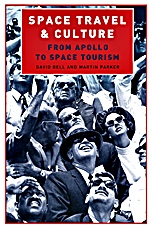
Space Travel and Culture: From Apollo to Space Tourism
ISBN 9781405193320
Autor: David Bell, Martin Parker
Wydawca: Wiley
Dostępność: 3-6 tygodni
Cena: 157,50 zł
Przed złożeniem zamówienia prosimy o kontakt mailowy celem potwierdzenia ceny.
ISBN13: |
9781405193320 |
ISBN10: |
1405193328 |
Autor: |
David Bell, Martin Parker |
Oprawa: |
Paperback |
Rok Wydania: |
2009-05-28 |
Ilość stron: |
232 |
Wymiary: |
228x153 |
Tematy: |
RG |
One of the most iconic moments of the twentieth century was the first Apollo moon landing. The images of the earth from space, of Armstrong and Aldrin on the moon, the massive cold war organisation of NASA and the Soviet Union, and the countless books, films and products associated with factual space fiction have a huge significance in terms of popular culture and artistic practice. However, it is remarkable how little impact the space age has had on the social sciences and humanities more specifically. Perhaps this is partly because its combination of militaryindustrial cold war politics, combined with patriarchy and big science, sits uneasily with contemporary thought in these areas. To admit an interest in such matters is likely to suggest a wilful detachment from the urgencies of contemporary life, or the sophistications of contemporary theory, unless it is a topic being used to demonstrate the catastrophic failures of complex organization, or the hubris of nation states, or the dreams of men.
Spis treści:
Introduction: Making Space (Martin Parker, University of Leicester School of Management and David Bell, University of Leeds).
1. Checklist: The Secret Life of Apollo’s "Fourth Crewmember" (Matthew H. Hersch, University of Pennsylvania).
2. A Political History of NASA’s Space Shuttle: The Development Years, 1972–1982 (Brian Woods, University of Glasgow).
3. The Geostationary Orbit: A Critical Legal Geography of Space’s Most Valuable Real Estate (Christy Collis, Queensland University of Technology – Brisbane).
4. The Cosmos as Capitalism’s Outside (Peter Dickens, Universities of Brighton and Essex and University of Cambridge).
5. Capitalists in Space (Martin Parker, University of Leicester School of Management).
6. Space is the (non)Place: Martians, Marxists, and the Outer Space of the Radical Imagination (Stevphen Shukaitis, Unive
rsity of Essex).
7. The Space Race and Soviet Utopian Thinking (Iina Kohonen, University of Art and Design, Helsinki).
8. The archaeology of space exploration (Alice Gorman, Flinders University).
9. Giant Leaps and Forgotten Steps: NASA and the Performance of Gender (Daniel Sage, Loughborough University).
10. Idealised Heroes of ‘Retrotopia’: History, Identity and the Postmodern in Apollo 13 (Dario Llinares, University of Leeds).
11. Middle America, the Moon, the Sublime and the Uncanny (Darren Jorgensen, University of Western Australia).
12. Re–thinking Apollo: Envisioning Environmentalism in Space (Holly Henry, California State University, San Bernardino and Amanda Taylor, California State University, San Bernardino).
13. Conclusion: To Infinity and Beyond? (Warren Smith, University of Leicester School of Management).
Notes on Contributors.
Index.
Nota biograficzna:
David Bell is Senior Lecturer in the School of Geography at Leeds University. His interests span critical human geography and cultural studies, and include cultural policy, urban and rural cultures, consumption and lifestyle, science and technology, and sexuality.
Martin Parker is Professor of Culture and Organization at the University of Leicester School of Management. His latest writing has been about the Mafia, angels, pirates, and skyscrapers.
Okładka tylna:
One of the most iconic moments of the twentieth century was the first Apollo moon landing. The images of the earth from space, of Armstrong and Aldrin on the moon, the massive cold war organisation of NASA and the Soviet Union, and the countless books, films and products associated with factual space fiction have a huge significance in terms of popular culture and artistic practice. However, it is remarkable how little impact the space age has had on the social sciences and humanities
more specifically. Perhaps this is partly because its combination of militaryindustrial cold war politics, combined with patriarchy and big science, sits uneasily with contemporary thought in these areas. To admit an interest in such matters is likely to suggest a wilful detachment from the urgencies of contemporary life, or the sophistications of contemporary theory, unless it is a topic being used to demonstrate the catastrophic failures of complex organization, or the hubris of nation states, or the dreams of men.
Koszyk
Książek w koszyku: 0 szt.
Wartość zakupów: 0,00 zł
Informacje


Kontakt
Gambit
Centrum Oprogramowania
i Szkoleń Sp. z o.o.
Al. Pokoju 29b/22-24
31-564 Kraków
Siedziba Księgarni
ul. Kordylewskiego 1
31-542 Kraków
+48 12 410 5991
+48 12 410 5987
+48 12 410 5989
Subskrypcje
Administratorem danych osobowych jest firma Gambit COiS Sp. z o.o. Na podany adres będzie wysyłany wyłącznie biuletyn informacyjny.
Autoryzacja płatności

Informacje na temat autoryzacji płatności poprzez PayU.

© Copyright 2012: GAMBIT COiS Sp. z o.o. Wszelkie prawa zastrzeżone.
Projekt i wykonanie: Alchemia Studio Reklamy