


Wydawcy
Katalog tematyczny
- Archeologia (109)
- Ekonomia, finanse, business (13704)
- Filozofia (1445)
- Historia (3040)
- Języki i językoznawstwo (2356)
- Lifestyle, hobby i rozrywka (475)
- Medycyna (9704)
- Chirurgia (272)
- Inne gałęzie medycyny (1871)
- Medycyna kliniczna (4187)
- Medycyna niekonwencjonalna (14)
- Medycyna przedkliniczna (269)
- Medycyna, ogólnie (1740)
- Medyczne służby pomocnicze (745)
- Inżynieria biomedyczna (396)
- Okulistyka (1)
- Pielęgniarstwo (128)
- Położnictwo (10)
- Radiografia (2)
- Rehabilitacja (11)
- Terapia zajęciowa (2)
- Terapie specjalne (10)
- Studia medyczne (16)
- Weterynaria (548)
- Nauki humanistyczne (4)
- Nauki o Ziemi i środowisku (2638)
- Nauki ścisłe (20412)
- Nauki społeczne (8486)
- Nauki techniczne (13450)
- Prawo (1696)
- Publikacje informacyjne i interdyscyplinarne (1288)
- Religia i wierzenia (917)
- Technika komputerowa (4067)
- Zdrowie, relacje międzyludzkie i rozwój osobisty (657)





Informacje szczegółowe o książce
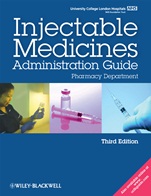
UCL Hospitals Injectable Medicines Administration Guide: Pharmacy Department
ISBN 9781405191920
Autor: University College London Hospitals
Wydawca: Wiley
Dostępność: 3-6 tygodni
Cena: 213,15 zł
Przed złożeniem zamówienia prosimy o kontakt mailowy celem potwierdzenia ceny.
ISBN13: |
9781405191920 |
ISBN10: |
1405191929 |
Autor: |
University College London Hospitals |
Oprawa: |
Paperback |
Rok Wydania: |
2010-10-01 |
Numer Wydania: |
3rd Edition |
Ilość stron: |
348 |
Wymiary: |
244x211 |
Tematy: |
MQ |
I would definitely recommend this book to all staff with an interest and involvement in intravenous drug therapy.
The Pharmaceutical Journal
There is no doubt that nurses will find this small book useful. It should be available for consultation in any clinical area where drugs are administered to patients by the injectable routes.
Journal of Clinical Nursing
The safe administration of injectable medicines is key to patient safety. The NPSA recognises the use of injectable medicines is a high risk activity and recommends written information about injectables to be available at the point of preparation.
The UCL Hospitals Injectable Medicines Administration Guide, third edition is a practical, accessible guide covering many important aspects of administering medicines by injection. It provides clear, concise information on the preparation and administration of over 245 injectable medicines for adults, paediatrics and neonates. The Guide is an essential resource for nurses and other health care professionals: it provides the key information and advice needed for the safe and effective administration of injectable medicines.
The Guide’s introductory section provides a concise yet comprehensive overview of injectable therapy, including the risks and benefits of IV administration, infusion devices, and pharmaceutical aspects of injectable therapy.
For each drug the alphabetically tabulated monographs provide: a practical method of preparation and administration via the IV, IM and SC routes, with risk reduction in mind at every stepexpert advice from the team of specialist pharmacists at UCLH to ensure safe and pragmatic use of each medicinemonitoring advice for the management of reactions that may occur during administrationY–site and syringe driver compatibility dataminimum infusion volume data for fluid restricted
patientsextravasation warnings, pH, sodium content, displacement values, stability and flush data
New to this edition:40 new monographs including recently marketed, unlicensed, rarely used and specialist medicinesDetailed advice for the administration of high risk medicines such as heparin, with access to UCLH’s medicine related guidelines at www.wiley.com/go/UCLHA colour–coded NPSA risk assessment for every mode of administration for every medicine, to highlight the safest method of administrationA user guide and tutorial to give new readers confidence in using and understanding the GuideRevised chapters on administration methods and devices, aseptic non–touch technique, and latex allergyFully revised and expanded Y–site compatibility sectionSpiral binding to allow the book to be left open at the relevant page
The UCLHGuide is also available electronically at www.uclhguide.com
Spis treści:
SECTION A
1. Introduction
2. Overview
2.1 Organisation of information in the guide
2.2 Sources of information and disclaimer
3. UCLH policies
3.1 Responsibilities of professional staff at UCLH
3.2 Preparation of injectable medicines on wards, clinics and departments at UCLH
4. An overview of intravenous therapy
4.1 When is intravenous therapy appropriate?
4.2 Drug factors which influence the choice of route
4.3 Disadvantages of intravenous administration
4.4 Route of intravenous administration
5. Factors affecting patency of IV sites
5.1 Factors increasing failure of IV sites
5.2 Factors decreasing failure of IV sites
5.3 Occlusion of central venous catheters
<
b>6. Methods of intravenous administration
6.1 Intravenous bolus
6.2 Intermittent intravenous infusion
6.3 Continuous intravenous infusion
6.4 Preparation and administration of intravenous medicines
6.5 Aseptic non–touch technique (ANTT)
7. Extravasation of injectables: overview and management advice
7.1 Patient factors affecting extravasation
7.2 Medicine factors affecting extravasation
7.3 Administration factors affecting extravasation
7.4 Overall risk for extravasation
7.5 Treatment of extravasation
8. Flushing cannulae, catheters and administration sets
8.1 Flushing between medicines
8.2 When not to flush
8.3 Flushing catheters and cannulae not in use
8.1 Flushing with heparin
9. Infusion pumps
9.1 Pumps used at UCLH
9.2 Volumetric pumps
9.3 Syringe pumps
9.4 Pumps for ambulatory use
9.5 Patient controlled analgesia (PCA) pumps
9.6 Target–controlled anaesthesia (TCI or TIVA) pumps
10. Administration of injectables in primary care
10.1 Self caring patients
11. Formulation and presentation of injectables
11.1 Medicines that require reconstitution
11.2 Preparations in solution requiring further dilution before use
11.3 Preparations available ‘ready to use’ without further dilution
11.4 Preparations ‘ready to use’
12. Pharmaceutical aspects of injectable administration
12.1 Displacement values
12.2 Sodium content
12.3 Drop size
12.4 Layering
12.5 Fluid restriction
13. Fa
ctors influencing medicine stability and compatibility of injectable medicines
13.1 Degradation
13.2 Precipitation
13.3 Binding of medicines to plastics
13.4 Destabilisation of parenteral emulsions
13.5 Leaching of plasticisers
13.6 Blood and blood products
14. Allergic reactions to injectables
15. Compatibility of drugs in a syringe driver for subcutaneous use
16. Risk assessment of injectables, and risk reduction
16.1 Risk assessment
16.2 Risk reduction
17. Useful resources
SECTION B
User Guide
Monographs in alphabetic order
Nota biograficzna:
UCL Hospitals Pharmacy Team
Okładka tylna:
I would definitely recommend this book to all staff with an interest and involvement in intravenous drug therapy.
The Pharmaceutical Journal
There is no doubt that nurses will find this small book useful. It should be available for consultation in any clinical area where drugs are administered to patients by the injectable routes.
Journal of Clinical Nursing
The safe administration of injectable medicines is key to patient safety. The NPSA recognises the use of injectable medicines is a high risk activity and recommends written information about injectables to be available at the point of preparation.
The UCL Hospitals Injectable Medicines Administration Guide, third edition is a practical, accessible guide covering many important aspects of administering medicines by injection. It provides clear, concise information on the preparation and administration of over 245 injectable medicines for adults, paediatrics and neonates. The Guide is an essential resource for nurses and other health care
professionals: it provides the key information and advice needed for the safe and effective administration of injectable medicines.
The Guide’s introductory section provides a concise yet comprehensive overview of injectable therapy, including the risks and benefits of IV administration, infusion devices, and pharmaceutical aspects of injectable therapy.
For each drug the alphabetically tabulated monographs provide: a practical method of preparation and administration via the IV, IM and SC routes, with risk reduction in mind at every stepexpert advice from the team of specialist pharmacists at UCLH to ensure safe and pragmatic use of each medicinemonitoring advice for the management of reactions that may occur during administrationY–site and syringe driver compatibility dataminimum infusion volume data for fluid restricted patientsextravasation warnings, pH, sodium content, displacement values, stability and flush data
New to this edition:40 new monographs including recently marketed, unlicensed, rarely used and specialist medicinesDetailed advice for the administration of high risk medicines such as heparin, with access to UCLH’s medicine related guidelines at www.wiley.com/go/UCLHA colour–coded NPSA risk assessment for every mode of administration for every medicine, to highlight the safest method of administrationA user guide and tutorial to give new readers confidence in using and understanding the GuideRevised chapters on administration methods and devices, aseptic non–touch technique, and latex allergyFully revised and expanded Y–site compatibility sectionSpiral binding to allow the book to be left open at the relevant page
The UCLHGuide is also available electronically at www.uclhguide.com
Koszyk
Książek w koszyku: 0 szt.
Wartość zakupów: 0,00 zł
Informacje


Kontakt
Gambit
Centrum Oprogramowania
i Szkoleń Sp. z o.o.
Al. Pokoju 29b/22-24
31-564 Kraków
Siedziba Księgarni
ul. Kordylewskiego 1
31-542 Kraków
+48 12 410 5991
+48 12 410 5987
+48 12 410 5989
Subskrypcje
Administratorem danych osobowych jest firma Gambit COiS Sp. z o.o. Na podany adres będzie wysyłany wyłącznie biuletyn informacyjny.
Autoryzacja płatności

Informacje na temat autoryzacji płatności poprzez PayU.

© Copyright 2012: GAMBIT COiS Sp. z o.o. Wszelkie prawa zastrzeżone.
Projekt i wykonanie: Alchemia Studio Reklamy