


Wydawcy
Katalog tematyczny
- Archeologia (109)
- Ekonomia, finanse, business (13704)
- Filozofia (1445)
- Historia (3040)
- Języki i językoznawstwo (2356)
- Lifestyle, hobby i rozrywka (475)
- Medycyna (9704)
- Nauki humanistyczne (4)
- Nauki o Ziemi i środowisku (2638)
- Nauki ścisłe (20412)
- Nauki społeczne (8486)
- Nauki techniczne (13450)
- Prawo (1696)
- Publikacje informacyjne i interdyscyplinarne (1288)
- Religia i wierzenia (917)
- Technika komputerowa (4067)
- Zdrowie, relacje międzyludzkie i rozwój osobisty (657)





Informacje szczegółowe o książce
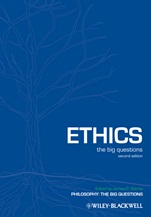
Ethics: The Big Questions
ISBN 9781405191289
Autor: James P. Sterba
Wydawca: Wiley
Dostępność: 3-6 tygodni
Cena: 213,15 zł
Przed złożeniem zamówienia prosimy o kontakt mailowy celem potwierdzenia ceny.
ISBN13: |
9781405191289 |
ISBN10: |
1405191287 |
Autor: |
James P. Sterba |
Oprawa: |
Paperback |
Rok Wydania: |
2009-02-06 |
Numer Wydania: |
2nd Edition |
Ilość stron: |
602 |
Wymiary: |
243x171 |
Tematy: |
HPGM |
This second edition of Ethics: The Big Questions focuses on the central questions of ethics: What is the nature of morality? Why be moral? What are the requirements of morality? It draws together the best available classical and contemporary readings to make these questions come alive for today′s students. Utilitarian, Kantian, and Aristotelian viewpoints are all well represented, and the second edition features updated sections throughout — including 18 new readings — and an entirely new section on multiculturalism. Unique to this volume is its coverage of three main challenges to ethics: from feminism, which shows how gender is relevant to morality; from environmentalism, which raises the question who is to count in morality; and from multiculturalism, which emphasizes the importance of different cultural perspectives to morality. These challenges must be met if morality is to be justified, and this is the only ethics anthology on the market that presents all three challenges to students for their consideration.
List of Sources. Introduction. Part I: The Nature of Morality: What Is Morality? 1. Morality as a Good in Itself: Plato. 2. The Emotive Theory of Morality: A. J. Ayer. 3. The New Subjectivism in Morality: Brand Blanshard. 4. How to Derive “Ought” from “Is”: John R. Searle. 5. On Not Deriving “Ought” from “Is”: Antony Flew. 6. Moral Beliefs: Philippa Foot. 7. Moral Disagreement Today and the Claims of Emotivism: Alasdair MacIntyre. Part II: The Justification of Morality: Why Be Moral? 8. On Reason and the Emotions: David Hume. 9. The Justificatory Argument for Human Rights: Alan Gewirth. 10. The Sources of Normativity: Christine M. Korsgaard. 11. The Justification of Morality and the Behavior of Women: James P. Sterba. 12. The Rational Justification of Morality Revisited: Alan Gewirth. 13. Morality as a System of Hypothetical Imperatives: Philippa Foot. Part III: Alternative Moral Perspectives: What Does Morality Require? A. Utility. 14. Utilitarianism: John Stuart Mill. 15. Against Utilitarianism: Bernard Williams. 16. Traditional Morality and Utilitarianism: Kai Nielsen. 17. The Schizophrenia of Modern Ethical Theories: Michael Stocker. 18. Alienation, Consequentialism, and the Demands of Morality: PeterRailton. B. Duty. 19. Duty and Categorical Rules: Immanuel Kant. 20. Kantian Ethics: Fred Feldman. 21. Kant on Dealing with Evil: Christine M. Korsgaard. 22. Liberty and Equality – A Question of Balance?: Jan Narveson. 23. Our Basic Human Right is a Right to Liberty and It Leads to Equality: James P. Sterba. 24. Welfare Liberalism: John Rawls. 25. Race and the Social Contract Tradition: Charles W. Mills. C. Virtue. 26. The Virtuous Life: Aristotle. 27. Non–Relative Virtues: An Aristotelian Approach: Martha Nussbaum. 28. The Nature of Virtues: Alasdair MacIntyre. 29. Normative Virtue Ethics: Rosalind Hursthouse. 30. Virtue and Right: Robert N. Johnson. 31. Teleology, Aristotelian Virtue, and Right: Sean Drysdale Walsh. 32. Ancient Ethics and Modern Morality: Julia Annas. Part IV: Challenges for Morality. A. Feminism: How is Gender Relevant to Morality? 33. Equality for Men and Women: Musonius Rufus. 34. Moral Orientation and Moral Development: Carol Gilligan. 35. Caring Relations and Principles of Justice: Virginia Held. 36. Particular Justice and General Care: Claudia Card. 37. The Masculine Bias in Traditional Ethics and How to Correct It: James P. Sterba. B. Environmentalism: Who is to Count in Morality? 38. Chimpanzee Justice: Frans De Waal. 39. All Animals Are Equal: Peter Singer. 40. The Ethics of Respect for Nature: Paul W. Taylor. 41. Kantians and Utilitarians and the Moral Status of Nonhuman Life: James P. Sterba. 42. The Power and Promise of Ecological Feminism: Karen J. Warren. C. Multiculturalism: Morality From Whose Cultural Perspective? 43. A Modern Clash of Cultures: Ayaan Hirsi Ali. 44. Can Islam Liberate Women?: Madeleine Bunting. 45. Freedom and Democracy: George W. Bush. 46. Understanding the Bush Doctrine: Noam Chomsky. Suggested Readings.
James P. Sterba is Professor of Philosophy at the University of Notre Dame. He has published 25 books, including Affirmative Action for the Future (2009), Does Feminism Discriminate Against Men? – A Debate (2008, co–authored with Warren Farrell), The Triumph of Practice over Theory in Ethics (2005), Terrorism and International Justice (2003), Three Challenges to Ethics (2001), and Justice for Here and Now (1998). He is a past president of the American Philosophical Association (Central Division), Concerned Philosophers for Peace, the North American Society for Social Philosophy, and the International Association for Philosophy of Law and Social Philosophy (American section). He has lectured widely in the United States, Europe, Asia, and Africa.
Koszyk
Książek w koszyku: 0 szt.
Wartość zakupów: 0,00 zł
Informacje


Kontakt
Gambit
Centrum Oprogramowania
i Szkoleń Sp. z o.o.
Al. Pokoju 29b/22-24
31-564 Kraków
Siedziba Księgarni
ul. Kordylewskiego 1
31-542 Kraków
+48 12 410 5991
+48 12 410 5987
+48 12 410 5989
Subskrypcje
Administratorem danych osobowych jest firma Gambit COiS Sp. z o.o. Na podany adres będzie wysyłany wyłącznie biuletyn informacyjny.
Autoryzacja płatności

Informacje na temat autoryzacji płatności poprzez PayU.

© Copyright 2012: GAMBIT COiS Sp. z o.o. Wszelkie prawa zastrzeżone.
Projekt i wykonanie: Alchemia Studio Reklamy