


Wydawcy
Katalog tematyczny
- Archeologia (109)
- Ekonomia, finanse, business (13704)
- Filozofia (1445)
- Historia (3040)
- Języki i językoznawstwo (2356)
- Lifestyle, hobby i rozrywka (475)
- Medycyna (9704)
- Nauki humanistyczne (4)
- Nauki o Ziemi i środowisku (2638)
- Nauki ścisłe (20412)
- Astronomia (294)
- Biologia (5119)
- Chemia (6540)
- Chemia analityczna (361)
- Chemia fizyczna (346)
- Chemia nieorganiczna (137)
- Chemia organiczna (535)
- Krystalografia (27)
- Minerologia (46)
- Fizyka (3309)
- Matematyka (4574)
- Nauki ścisłe, ogólnie (503)
- Nauki społeczne (8486)
- Nauki techniczne (13450)
- Prawo (1696)
- Publikacje informacyjne i interdyscyplinarne (1288)
- Religia i wierzenia (917)
- Technika komputerowa (4067)
- Zdrowie, relacje międzyludzkie i rozwój osobisty (657)





Informacje szczegółowe o książce
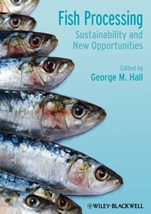
Fish Processing: Sustainability and New Opportunities
ISBN 9781405190473
Autor: George M. Hall
Wydawca: Wiley
Dostępność: 3-6 tygodni
Cena: 899,85 zł
Przed złożeniem zamówienia prosimy o kontakt mailowy celem potwierdzenia ceny.
ISBN13: |
9781405190473 |
ISBN10: |
1405190477 |
Autor: |
George M. Hall |
Oprawa: |
Hardback |
Rok Wydania: |
2010-10-28 |
Ilość stron: |
312 |
Wymiary: |
249x171 |
Tematy: |
PN |
This book seeks to address the challenges facing the international seafood industry via a two pronged approach: by offering the latest information on established technologies and introducing new ideas and technologies. An introductory chapter sets the tone for the book by presenting the background against which fish processing will exist in the near future. Chapter two looks at the environmental and sustainability issues relating to conventional fish processing, including processing efficiency and better use of the outputs currently considered wastes. The impact of mechanisation and computerisation on environmental sustainability is also addressed. Subsequent chapters examine the latest developments in established fish processing technologies such as canning, curing, freezing and chilling, with an emphasis on the environmental aspects of packaging and the process itself. In addition, quality and processing parameters for specific species, including new species, are described.
The second part of the book gives authors the opportunity to introduce the potential technologies and applications of the future to a wider audience. These include fermented products and their acceptance by a wider audience; the utilisation of fish processing by–products as aquaculture feeds; and the use of by–products for bioactive compounds in biomedical, nutraceutical, cosmetic and other applications.
Spis treści:
1. Introduction: challenges to the fish processing industry in a resource–starved world.
This chapter will set the tone for the book in presenting the background against which fish processing will exist in the near future. The overwhelming pressure will be on the availability of the common caught species, allied to the barriers to the development of aquaculture as an alternative and the unacceptability of other species. Other environmental pressures related to processing will be highlighted e.g. energy/GHG/carbon footprinting..
2. E
nvironmental impacts of fish processing operations.
This chapter draws together the environmental and sustainability issues relating to conventional fish processing. For these to be sustainable there must be better use of raw material, efficiency in the actual processing and use of all the outputs currently considered wastes. The impact of mechanisation and computerisation on environmental sustainability will be included..
.
3. Canning fish and fish products.
This chapter will look at the general processes of canning but with special regard to the environmental aspects of the packaging and the process itself. In addition, quality and processing parameters for specific species, including new species, will be addressed..
.
4. Preservation by curing (drying, salting and smoking).
This chapter will describe these three very traditional means of fish preservation in the light of the latest health and quality opinions. The energy/environmental impact of these processes will be highlighted, as well as the possible application to new species of fish..
.
5. Freezing and chilling.
Freezing is an excellent means to preserve fish but has implications for energy use both in the initial process and during transportation..
.
6. Surimi and fish–mince productsSurimi (ground fish) products are seen as high–value and refined products with a price to pay in the process, storage and final preparation. Fish–mince products have been seen as lower quality but with a specific niche market. The impact of raw material supply could impinge greatly on both these products: surimi as it has been limited to specific species and mince because it is made from off–cuts and less valuable species. Will both be available in the future?.
.
7. Quality of fermented fish products.
This chapter will describe the variety of fermented products as they exist today with particular reference to quality as the major factor determining their acce
ptance to a wider audience. The need for more use of fermentation for under–utilised species will also be reviewed..
8. Quality aspects of onboard fish processing.
This chapter will describe the Alaskan salmon fishery as a model for onboard processing and then indicate which other fisheries might benefit from this approach. Quality and environmental impact of onboard processing will be emphasised..
9. Production of aquaculture feeds from fish processing by–products.
This chapter will look at the current feed sources for aquaculture (and barriers to expansion) and assess the potential of fish processing by–products to alleviate the problems of dwindling supply..
.
10. Utilisation of fish processing by–products for bioactive compounds.
The use of by–products for non–food applications offers potential to yield value–added products to replace or augment existing practices. The move into the sphere of the biomedical/ pharmaceutical/ cosmetic applications brings benefits but also higher levels of scrutiny..
.
Contributing authors:.
Chapters 1–6: Dr George M. Hall, Faculty of Science and Technology, University of Central Lancashire, UK.
Chapters 7 and 8: Dr Sevim Kose, Department of Fisheries Science, Black Sea University, Trabzon, Turkey.
Chapter 9: Dr Simon Davies, Department of Biological Sciences, University of Plymouth, UK.
Chapter 10: Dr Keiko Shirai–Matsomoto, Faculty of Biological Sciences, Universidad Autonoma Metropolitana, Mexico City, Mexico
Nota biograficzna:
Dr George M. Hall, Faculty of Science and Technology, University of Central Lancashire, UK
Okładka tylna:
This book seeks to address the challenges facing the international seafood industry via a two pronged approach: by offering the latest information on established technologies and introducing new ideas and technologies. An introductory chapter sets the tone for the book b
y presenting the background against which fish processing will exist in the near future. Chapter two looks at the environmental and sustainability issues relating to conventional fish processing, including processing efficiency and better use of the outputs currently considered wastes. The impact of mechanisation and computerisation on environmental sustainability is also addressed. Subsequent chapters examine the latest developments in established fish processing technologies such as canning, curing, freezing and chilling, with an emphasis on the environmental aspects of packaging and the process itself. In addition, quality and processing parameters for specific species, including new species, are described.
The second part of the book gives authors the opportunity to introduce the potential technologies and applications of the future to a wider audience. These include fermented products and their acceptance by a wider audience; the utilisation of fish processing by–products as aquaculture feeds; and the use of by–products for bioactive compounds in biomedical, nutraceutical, cosmetic and other applications.
Koszyk
Książek w koszyku: 0 szt.
Wartość zakupów: 0,00 zł
Informacje


Kontakt
Gambit
Centrum Oprogramowania
i Szkoleń Sp. z o.o.
Al. Pokoju 29b/22-24
31-564 Kraków
Siedziba Księgarni
ul. Kordylewskiego 1
31-542 Kraków
+48 12 410 5991
+48 12 410 5987
+48 12 410 5989
Subskrypcje
Administratorem danych osobowych jest firma Gambit COiS Sp. z o.o. Na podany adres będzie wysyłany wyłącznie biuletyn informacyjny.
Autoryzacja płatności

Informacje na temat autoryzacji płatności poprzez PayU.

© Copyright 2012: GAMBIT COiS Sp. z o.o. Wszelkie prawa zastrzeżone.
Projekt i wykonanie: Alchemia Studio Reklamy