


Wydawcy
Katalog tematyczny
- Archeologia (109)
- Ekonomia, finanse, business (13704)
- Filozofia (1445)
- Historia (3040)
- Języki i językoznawstwo (2356)
- Lifestyle, hobby i rozrywka (475)
- Medycyna (9704)
- Nauki humanistyczne (4)
- Nauki o Ziemi i środowisku (2638)
- Nauki ścisłe (20412)
- Nauki społeczne (8486)
- Nauki techniczne (13450)
- Prawo (1696)
- Publikacje informacyjne i interdyscyplinarne (1288)
- Religia i wierzenia (917)
- Technika komputerowa (4067)
- Zdrowie, relacje międzyludzkie i rozwój osobisty (657)





Informacje szczegółowe o książce
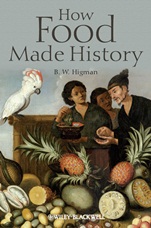
How Food Made History
ISBN 9781405189484
Autor: B. W. Higman
Wydawca: Wiley
Dostępność: 3-6 tygodni
Cena: 394,80 zł
Przed złożeniem zamówienia prosimy o kontakt mailowy celem potwierdzenia ceny.
ISBN13: |
9781405189484 |
ISBN10: |
1405189487 |
Autor: |
B. W. Higman |
Oprawa: |
Hardback |
Rok Wydania: |
2011-10-07 |
Ilość stron: |
276 |
Wymiary: |
232x153 |
Tematy: |
HBXD |
Food is at the center of life, and as such, it is a vital driver of cultural and political development. It is only recently that some societies have started to enjoy food security and year–long abundance. By asking why we choose to eat what we eat,
How Food Made History examines how this transition occurred, and why these developments have varied over time and between societies. Crucially, in demonstrating the centrality of food to human development, the book illuminates broader patterns of global history.
How Food Made History offers a wide–ranging overview of 5,000 years of global history, a period dominated by agriculture and urbanization. It traces the changing patterns of food production and consumption that have molded economic and social life and contributed fundamentally to the development of government and complex societies. The author also charts the changing technologies that have increased crop yields, enabled the industrial processing and preservation of food, and made possible trade and transportation. Higman places recent trends, such as the co–existence of abundance and famine, obesity and dieting, into historical context and provides a fresh understanding of the importance of food in world history for modern readers.
Illustrations viii
Preface ix
Prologue: Questions of choice? 1
References 5
1 The Creation of Food Worlds 7
Making the ancient world food map 8
The origins of domestication, agriculture, and urbanization 11
Food worlds at 5000 BP 15
Seven claims 29
References 31
2 Genetics and Geography 35
Genetic modification, ancient and modern 36
Prohibitions and taboos 43
Geographical redistribution 47
Three claims 53
References 53
3 Forest, Farm, Factory 57
Forest gardens 58
Crop farming landscapes 62
Industrialized agriculture 70
Five claims 77
References 78
4 Hunting, Herding, Fishing 81
Hunting 83
Herding 91
Fishing 94
Two claims 100
References 100
5 Preservation and Processing 103
Ancient preservation 103
Ancient processing 106
Modern milling 108
Packaging 111
Freezing and chilling 112
Milk, butter, yoghurt, and cheese 115
Three claims 123
References 123
6 Trade 125
Ancient trades 126
Modern trades 131
The global supermarket 136
Two claims 140
References 141
7 Cooking, Class, and Consumption 143
Cooks 143
Cooking 146
Eating places 149
Meals and mealtimes 156
References 158
8 National, Regional, and Global Cuisines 161
Cuisine, high and low 164
The origins of cuisines 168
Megaregions and pan–ethnicity 182
Global foods 185
Three claims and counterclaims 188
References 188
9 Eating Well, Eating Badly 191
Nutrition and diet 191
Stature 195
Obesity 199
Dieting 203
Denial 204
Vegetarianism 207
References 211
10 Starving 215
Famine 217
Famine foods 224
Survival strategies 226
Food aid 228
Impact 232
Two claims 234
References 235
Conclusion: Cornucopia or Pandora′s Box? 237
References 241
Suggested Further Reading 243
Index 251
B. W. Higman is Emeritus Professor of the Australian National University and Emeritus Professor of the University of the West Indies. He has published several books on the history of slavery and the social and economic history of the Caribbean. He has taught courses on world food history, and is the author of Jamaican Food: History, Biology, Culture (2008).
. . . an excellent short introduction for the general reader. (BBC History Magazine, 1 October 2012)
Koszyk
Książek w koszyku: 0 szt.
Wartość zakupów: 0,00 zł
Informacje


Kontakt
Gambit
Centrum Oprogramowania
i Szkoleń Sp. z o.o.
Al. Pokoju 29b/22-24
31-564 Kraków
Siedziba Księgarni
ul. Kordylewskiego 1
31-542 Kraków
+48 12 410 5991
+48 12 410 5987
+48 12 410 5989
Subskrypcje
Administratorem danych osobowych jest firma Gambit COiS Sp. z o.o. Na podany adres będzie wysyłany wyłącznie biuletyn informacyjny.
Autoryzacja płatności

Informacje na temat autoryzacji płatności poprzez PayU.

© Copyright 2012: GAMBIT COiS Sp. z o.o. Wszelkie prawa zastrzeżone.
Projekt i wykonanie: Alchemia Studio Reklamy