


Wydawcy
Katalog tematyczny
- Archeologia (109)
- Ekonomia, finanse, business (13704)
- Filozofia (1445)
- Historia (3040)
- Języki i językoznawstwo (2356)
- Lifestyle, hobby i rozrywka (475)
- Medycyna (9704)
- Nauki humanistyczne (4)
- Nauki o Ziemi i środowisku (2638)
- Nauki ścisłe (20412)
- Nauki społeczne (8486)
- Nauki techniczne (13450)
- Prawo (1696)
- Publikacje informacyjne i interdyscyplinarne (1288)
- Religia i wierzenia (917)
- Technika komputerowa (4067)
- Zdrowie, relacje międzyludzkie i rozwój osobisty (657)





Informacje szczegółowe o książce
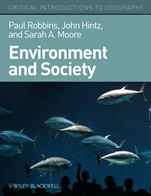
Environment and Society: A Critical Introduction
ISBN 9781405187619
Autor: Paul Robbins, John Hintz, Sarah A. Moore
Wydawca: Wiley
Dostępność: 3-6 tygodni
Cena: 493,50 zł
Przed złożeniem zamówienia prosimy o kontakt mailowy celem potwierdzenia ceny.
ISBN13: |
9781405187619 |
ISBN10: |
1405187611 |
Autor: |
Paul Robbins, John Hintz, Sarah A. Moore |
Oprawa: |
Hardback |
Rok Wydania: |
2010-02-12 |
Ilość stron: |
312 |
Wymiary: |
251x187 |
Tematy: |
RG |
There is a good reason why global climate change, atmospheric pollution, deforestation, and the rapid decline of biodiversity are such hotbed issues. Interactions between human society and the environment have never been more complex – or more critical to our survival – than now. Environment and Society: A Critical Introduction presents readers with a concise overview of the diverse conceptual tools and traditions available for thinking about, explaining, and addressing the crucial environmental challenges we face today. The authors vividly demonstrate how theory can illuminate pressing environmental problems in the world around us by applying the most recent theoretical concepts to a variety of real–world objects – from French fries and wolves to bottled water and carbon dioxide. At the same time, they stress the ways that different, and often conflicting, conclusions about environmental issues can be reached, depending on varying perspectives, starting positions, and assumptions.
Accessible and insightful, this book provides an essential foundation for shaping our understanding of one of the most important issues of our times.
Spis treści:
List of Figures
List of Tables
List of Text Boxes
Acknowledgments
1. Introduction: The View from Clifton Bridge
What Is This Book?
Part I: Approaches and Perspectives:
2. Population and Scarcity
A Crowded Desert City
The Problem of "Geometric" Growth
Population, Development, and Environment Impact
The Other Side of the Coin: Population and Innovation
Limits to Population: An Effect Rather than a Cause?
Thinking with Population
3. Markets and Commodities
The Bet
Managing Environmental Bads: The Coase Theorem
Market Failure
Market–Based Solutions to Environmental Problems
Beyond Market Failure: Gaps between Nature and Economy
Thinking with Markets
4. Institutions and "The Comm
ons"
Controlling Carbon?
The Prisoner’s Dilemma
The Tragedy of the Commons
The Evidence and Logic of Collective Action
Crafting Sustainable Environmental Institutions
Are All Commoners Equal? Does Scale Matter?
Thinking with Institutions
5. Environmental Ethics
The Price of Cheap Meat
Improving Nature: From Biblical Tradition to John Locke
Gifford Pinchot vs. John Muir in Yosemite, California
Aldo Leopold and "The Land Ethic"
Liberation for Animals!
Holism, Scientism, and Pragmatism? Oh My!
Thinking with Ethics
6. Risks and Hazards
The Great Flood of 1993
Environments as Hazard
The Problem of Risk Perception
Risk as Culture
Beyond Risk: The Political Economy of Hazards
Thinking with Hazards and Risk
7. Political Economy
The Strange Logic of "Under–pollution"
Labor, Accumulation, and Crisis
Production of Nature
Global Capitalism and the Ecology of Uneven Development
Social Reproduction and Nature
Environments and Economism
Thinking with Political Economy
8. Social Construction of Nature
Welcome to the Jungle
So You Say It’s "Natural"?
Environmental Discourse
The Limits of Constructivism: Science, Relativism, and the Very Material World
Thinking with Construction
Part II: Objects of Concern:
9. Carbon Dioxide
Stuck in Pittsburgh Traffic
A Short History of CO2
Institutions: Climate Free–Riders and Carbon Cooperation
Markets: Trading More Gases, Buying Less Carbon
Political Economy: Who Killed the Atmosphere?
The Carbon Puzzle
10. Trees
Chained to a Tree in Berkeley California
A Short History of Trees
Population and Markets: The Forest Transition Theory
Political Economy: Accumulation and Deforestation
Ethics, Justice, and Equity: Should Trees Have Standing?
The Tree Puzzle
11. Wolves
January 12, 1995, Yellowstone Natio
nal Park
A Short History of Wolves
Ethics: Rewilding the Northeast
Institutions: Stakeholder Management
Social Construction: Of Wolves and Men Masculinity
The Wolf Puzzle
12. Tuna
Blood Tuna
A Short History of Tuna
Markets and Commodities: Eco–Labels to the Rescue?
Political Economy: Re–regulating Fishery Economies
Ethics and Ecocentrism: The Social Construction of Charismatic Species
The Tuna Puzzle
13. Bottled Water
A Tale of Two Bottles
A Short History of Bottled Water
Population: Bottling for Scarcity?
Risk: Health and Safety in a Bottle?
Political Economy: Manufacturing Demand on an Enclosed Commons
The Bottled Water Puzzle
14. French Fries
MMM–MMM Good
A Short History of the Fry
Risk Analysis: Eating What We Choose and Choosing What We Eat
Political Economy: Eat Fries or Else!
Ethics: Protecting or Engineering Potato Heritage?
The French Fry Puzzle
Glossary
References
Index
Nota biograficzna:
Paul Robbins is a Professor in the School of Geography and Development at the University of Arizona, Tucson. His current research centers on the relationships between individuals, environmental actors, and the institutions that connect them. Robbins is also the author of Political Ecology: A Critical Introduction (2004) and Lawn People: How Grasses Weeds and Chemicals Make us Who We Are (2007).
John Hintz is Assistant Professor of Geography and Geosciences at the Bloomsburg University of Pennsylvania. His current research focuses on land use conflicts, environmental policy, and the US environmental movement. He has most recently published in the journals Capitalism Nature Socialism and Ethics, Place and Environment.
Sarah A. Moore is Assistant Professor in the School of Geography and Development at the University of Arizona, Tucson. Her research focuses on urban developme
nt politics, urban environmental issues, and environmental justice in the United States and Latin America. Her publications include articles in the Professional Geographer and Society and Natural Resources.
Okładka tylna:
There is a good reason why global climate change, atmospheric pollution, deforestation, and the rapid decline of biodiversity are such hotbed issues. Interactions between human society and the environment have never been more complex – or more critical to our survival – than now. Environment and Society: A Critical Introduction presents readers with a concise overview of the diverse conceptual tools and traditions available for thinking about, explaining, and addressing the crucial environmental challenges we face today. The authors vividly demonstrate how theory can illuminate pressing environmental problems in the world around us by applying the most recent theoretical concepts to a variety of real–world objects – from French fries and wolves to bottled water and carbon dioxide. At the same time, they stress the ways that different, and often conflicting, conclusions about environmental issues can be reached, depending on varying perspectives, starting positions, and assumptions.
Accessible and insightful, this book provides an essential foundation for shaping our understanding of one of the most important issues of our times.
Koszyk
Książek w koszyku: 0 szt.
Wartość zakupów: 0,00 zł
Informacje


Kontakt
Gambit
Centrum Oprogramowania
i Szkoleń Sp. z o.o.
Al. Pokoju 29b/22-24
31-564 Kraków
Siedziba Księgarni
ul. Kordylewskiego 1
31-542 Kraków
+48 12 410 5991
+48 12 410 5987
+48 12 410 5989
Subskrypcje
Administratorem danych osobowych jest firma Gambit COiS Sp. z o.o. Na podany adres będzie wysyłany wyłącznie biuletyn informacyjny.
Autoryzacja płatności

Informacje na temat autoryzacji płatności poprzez PayU.

© Copyright 2012: GAMBIT COiS Sp. z o.o. Wszelkie prawa zastrzeżone.
Projekt i wykonanie: Alchemia Studio Reklamy