


Wydawcy
Katalog tematyczny
- Archeologia (109)
- Ekonomia, finanse, business (13704)
- Filozofia (1445)
- Historia (3040)
- Języki i językoznawstwo (2356)
- Lifestyle, hobby i rozrywka (475)
- Medycyna (9704)
- Nauki humanistyczne (4)
- Nauki o Ziemi i środowisku (2638)
- Nauki ścisłe (20412)
- Nauki społeczne (8486)
- Edukacja (229)
- Kryminologia, opieka spełeczna (284)
- Obronność (10)
- Polityka (1389)
- Psychologia (777)
- Socjologia (410)
- Społeczeństwo i kultura (187)
- Nauki techniczne (13450)
- Prawo (1696)
- Publikacje informacyjne i interdyscyplinarne (1288)
- Religia i wierzenia (917)
- Technika komputerowa (4067)
- Zdrowie, relacje międzyludzkie i rozwój osobisty (657)






Informacje szczegółowe o książce
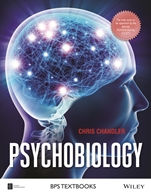
Psychobiology
ISBN 9781405187435
Autor: Chris Chandler
Wydawca: Wiley
Dostępność: 3-6 tygodni
Cena: 383,25 zł
Przed złożeniem zamówienia prosimy o kontakt mailowy celem potwierdzenia ceny.
ISBN13: |
9781405187435 |
ISBN10: |
1405187433 |
Autor: |
Chris Chandler |
Oprawa: |
Paperback |
Rok Wydania: |
2015-09-18 |
Ilość stron: |
672 |
Wymiary: |
276x217 |
Tematy: |
JC |
There is a lack of UK authored Psychobiology texts. The market is dominated by US books that do not have the BPS syllabus in mind when publishing. Given that Psychobiology is a core area within the BPS syllabus it is essential that the book will focus on this, whilst taking the reader beyond for those idiosyncratic third year courses. The aim of the book is thus to: provide a textbook in Psychobiology that adheres to and extends the BPS syllabus present a text that is accessible and comprehensive assuming no prior knowledge (appealling to the biological resistant psychology student) emphasise the role of Psychobiology in practice and the real world emphasise the interaction of Psychobiology with other areas of psychology (e.g. social psychology) and other disciplines (e.g. medicine, pharmacology) introduce the reader to a range of research methodologies used in Psychobiology research provide a textbook on Psychobiology that views this material from a UK perspective; this will involve the use of examples and illustrations that will be familiar and relevant to UK readers (e.g. NICE guidance, not FDA) The text will: use as many real world examples as possible emphasise the different levels of analysis and experimentation include evolutionary explanations of behaviour where possible use up to date experiments and a focus on methodology when appropriate All chapters will have: illustrations, figures and photographs in full colour learning objectives/outcomes an introductory paragraph outlining the contents of each chapters and what to expect key terms highlighted in boxes with definitions boxed features e.g. case studies, key investigators, practical applications, etc The supporting website will feature: podcasts – mini accounts of key points that could be downloaded with a visual animation and dialogue test battery for lecturers MCQ resources for students downloadable figures/summaries/lecturer slides
Part 1. Nuts and Bolts . Chapter 1. Introduction . The nature of psychobiology. Philosophical grounding. The use of information from other disciplines. The use of animals (and people) in psychobiology with particular reference to Home Office restrictions and how other countries arrange the use of animals. Given the negativity surrounding animal use I would like to have a balanced account of use and abuse of animals. The scientific use of animals should be emphasised to include animal models and validity. Again here there should be an emphasis on the changing role of animals in psychobiology over the decades. Finally I would like to consider the role of psychobiology in Law.. Chapter 2. Evolution and Genetics . This is a chapter that is seldom well done, if done at all in other texts. Darwin et al and the challenge faced with the introduction of evolution. Similarities with other species – comparative psychology. Mendelian genetics and DNA. Animal utilization in genetics (transgenetic etc). Behavioural genetics. Twins etc. Locating genes. The evolutionary accounts of behaviour would continue throughout the book as BOXES to illustrate this view of a behaviour.. Chapter 3 Neural Development . How the genetic code translates into the brain etc. Cellular differentiation. Growth of the brain and Nervous System. Demise of the brain and aging. Neural plasticity (linked to individual chapter). Chapter 4. The Neuron and communication . The basic anatomy of a neuron. Action potential etc and synaptic communication.. Chapter 5. Neuroanatomy and divisions of the nervous system. The basic division of the brain and a brief introduction to some of their functions. The divisions of the nervous system and their functions. An emphasis on communication between these areas will be made. Lateralization. Part 2. Tools of the Trade . Chapter 6. Lesions, Imaging techniques and psychophysiology . Given the use of imaging in psychobiology the different types of imaging will be discussed and illustrated. Psychophysiology needs to be explained as a stand alone method with all the varieties it has, and in combination with imaging. Explain some of the complexities of surgery and the nature of controlled experimental studies. . Chapter 7. Psychopharmacology . How drugs probe brain function etc. Not just clinical agents. Information on clinical trials and the process of drugs. Classification of drugs and pharmacology of drugs.. Chapter 8. Animal learning . This chapter is also a separate chapter from Tools as it has a theoretical account. Basically classical conditioning and operant conditioning. The role of animal cognition.. . Chapter 9. Drugs and Behaviour: Behaviour and Drugs . Chapters 7 and 8 need to be brought together. For this purpose I shall introduce the reader to the common misconception that drugs influence behaviour and show how the context of a drug is important – this is not something that is done to any great extent in other textbooks. This is somewhat historical but does demonstrate the importance of understanding that what you do in chapter 8 has as much impact on the action of drugs as vice versa. Examples to highlight can be the placebo effect and rate dependency and ADHD.. . Part 3. Systems and Processes in On–Line Control Chapter 10. Perceptual Systems (input) . Visual, auditory, olfactory, gustatory and somatosensory. All would deal with the mechanisms of sense plus the interpretation in the brain. Examples throughout and a final section on pain (to include phantom limb pain). Chapter 11. Motor Control (output) . This chapter will deal with the neural control of movement and feedback. Therefore it is closely linked to chapter 11. Chapter 12. Executive function . The role of the frontal cortex in behaviour. Focus on case and experimental studies and theoretical accounts e.g. Shallice – Baddeley. This area is not exclusively looked at in other textbooks. I feel that executive functioning is an important area to convey independently and bridges well the theoretical concepts in cognitive science and neuroscience Chapter 13. Neural plasticity, Learning and Memory . These two are put together to demonstrate the changing nature of the brain. The neural encoding of learning and memory will we reviewed, along with classic studies. Temporal lobes – hippocampus. Recovery from brain injury. Part 4. Systems and Processes in Long–Term Control . Chapter 14. Sex . The hormone system and functions. Sexual Differentiation. Activation and organisation periods [lots of examples of when things can go wrong; relate to genetics]. Sexual identity and orientation. Sexual motivation – paraphilias. Chapter 15. Feeding and Drinking . This chapter will focus on the development of hypotheses of both eating behaviour and drinking. Why we need it and what the brain does. This will involve neuroanatomical and psychopharmacological studies. The end of this chapter will look at eating disorders and the psychobiological role in understanding them. Chapter 16. Motivation . A follow on from the previous chapter. This will look at brain reward circuits and how drugs hijack them. This chapter will look at some common methods and drugs linking behaviour and pharmacology. Theoretical models of addiction. Chapter 17. Emotion . Psychological theories and more recent neurological accounts. The main focus will be on fear, but the new literature on love etc can be included. Links back to previous chapter.. Chapter 18. Consciousness and sleep. The main focus will be on sleep and sleep medicine. Additionally different levels of consciousness will be addressed in terms of arousal and mind–expanding pharmaceuticals.. . Part 5 Clinical Applications . This section will look at the biological basis and treatment of key psychiatric/neurological disorders and link back to relevant earlier chapters. The chapters will have description and diagnosis; epidemiology, aetiology and neuropathology; treatment. Chapter 19. Developmental disorders . ADHD, ASD, Tourettes and genetic disorders. Areas that are seldom covered in detail in other textbooks. Chapter 20. Schizophrenia . DA, glutamate hypofrontality and the use of psychopharmacological agents to help understand. Animal Models. Chapter 21. Affective Disorders . Bipolar and unipolar depression. The changing hypotheses of depression and commonly used drugs. Chapter 22. Anxiety Disorders . Linked to previous chapter. Allows evolution, inverse agonists and GABA to be looked at in more detail. Chapter 23. Neurodegeneration . Look at cortical and sub–cortical Neurodegeneration. Focus on Parkinson’s disease, Huntington’s disease and SDAT.
Dr Chris Chandler is a biological psychologist at London Metropolitan University. His research background is in Dopamine and addiction. He is also interested in ADHD. He has taught the biological aspects of psychology at all undergraduate levels and to an extremely diverse range of students both in ability and background, giving him experience of how to effectively convey complex information to a wide audience, some of who will not care for psychobiology. He has also taught on two Masters programmes at the Institute of Psychiatry and is currently developing a series of Masters Programmes in Addiction at LMU. He is the author of the six psychobiology chapters in Davey, Complete Psychology (Hodder Arnold, 2004) and the forthcoming The Science of ADHD (Wiley–Blackwell 2008).
Koszyk
Książek w koszyku: 0 szt.
Wartość zakupów: 0,00 zł
Informacje


Kontakt
Gambit
Centrum Oprogramowania
i Szkoleń Sp. z o.o.
Al. Pokoju 29b/22-24
31-564 Kraków
Siedziba Księgarni
ul. Kordylewskiego 1
31-542 Kraków
+48 12 410 5991
+48 12 410 5987
+48 12 410 5989
Subskrypcje
Administratorem danych osobowych jest firma Gambit COiS Sp. z o.o. Na podany adres będzie wysyłany wyłącznie biuletyn informacyjny.
Autoryzacja płatności

Informacje na temat autoryzacji płatności poprzez PayU.

© Copyright 2012: GAMBIT COiS Sp. z o.o. Wszelkie prawa zastrzeżone.
Projekt i wykonanie: Alchemia Studio Reklamy