


Wydawcy
Katalog tematyczny
- Archeologia (109)
- Ekonomia, finanse, business (13704)
- Filozofia (1445)
- Historia (3040)
- Języki i językoznawstwo (2356)
- Lifestyle, hobby i rozrywka (475)
- Medycyna (9704)
- Chirurgia (272)
- Inne gałęzie medycyny (1871)
- Medycyna kliniczna (4187)
- Medycyna niekonwencjonalna (14)
- Medycyna przedkliniczna (269)
- Medycyna, ogólnie (1740)
- Historia medycyny (3)
- Lekarze, sprawy zawodowe (8)
- Medycyna, aspekty prawne (10)
- Służba zdrowia (36)
- Wyposażenie medyczne (157)
- Zdrowie publiczne (460)
- Medyczne służby pomocnicze (745)
- Studia medyczne (16)
- Weterynaria (548)
- Nauki humanistyczne (4)
- Nauki o Ziemi i środowisku (2638)
- Nauki ścisłe (20412)
- Nauki społeczne (8486)
- Nauki techniczne (13450)
- Prawo (1696)
- Publikacje informacyjne i interdyscyplinarne (1288)
- Religia i wierzenia (917)
- Technika komputerowa (4067)
- Zdrowie, relacje międzyludzkie i rozwój osobisty (657)





Informacje szczegółowe o książce
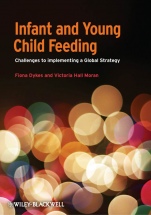
Infant and Young Child Feeding
ISBN 9781405187213
Autor: Fiona Dykes, Victoria Hall–Moran
Wydawca: Wiley
Dostępność: 3-6 tygodni
Cena: 369,60 zł
Przed złożeniem zamówienia prosimy o kontakt mailowy celem potwierdzenia ceny.
ISBN13: |
9781405187213 |
ISBN10: |
1405187212 |
Autor: |
Fiona Dykes, Victoria Hall–Moran |
Oprawa: |
Paperback |
Rok Wydania: |
2009-08-14 |
Ilość stron: |
232 |
Wymiary: |
247x169 |
Tematy: |
MB |
Research has shown that optimum maternal and child nutrition can reduce the incidence of chronic conditions ranging from obesity, food allergy and asthma, to cardiovascular disease and cancers.
This exciting book, edited by Fiona Dykes and Victoria Hall Moran and with a foreword from Gretel Pelto, explores in an integrated context the varied factors associated with infant and child nutrition, including global feeding strategies, cultural factors, issues influencing breastfeeding, and economic and life cycle influences. Carefully drawn together and edited, recognising the many complexities and challenges that face practitioners working in the field, this landmark publication offers practical suggestions in this vitally important subject.
Infant and Young Child Feeding:Offers crucial insights into implementation of a Global Strategy for Infant and Young Child FeedingIlluminates the complex challenges for nutritionists, dieticians and other health and social care professionals in implementing international guidelines within local cultural settingsIncludes contributions from leading international experts in the field
All libraries in universities, medical schools and research establishments where nutrition and dietetics, midwifery, medicine, nursing, health studies and social sciences are studied and taught should have copies of this crucially important book on their shelves.
Spis treści:
Contributor biographies.
Foreword (Gretel H. Pelto).
1. From Grand Design to Change on the Ground: Going to Scale with a Global Feeding Strategy (James Akre).
1.1 Introduction.
1.2 How it all began.
1.3 Grasping the global challenge.
1.4 Summary recommendations.
1.5 Conclusion.
References.
2. A Biocultural Basis for Protecting, Promoting and Supporting Breastfeeding (Andy Bilson and Fiona Dykes).
2.1 Introduction.
2.2 WHO/UNICEF Baby–Friendly Hospital Initiativ
e.
2.3 A biocultural approach to institutional change.
2.4 Conclusion.
References.
3. Feeding Preterm Infants in Sweden: Challenges to Implementing the Global Strategy in a Pro–Breastfeeding Culture (Renée Flacking).
3.1 Introduction.
3.2 Breastfeeding preterm babies in Sweden.
3.3 Breastfeeding as relationship building in the early phase.
3.4 Breastfeeding at the ‘training camp’.
3.5 Breastfeeding at home – trying to experience a balance in needs.
3.6 Paradigm shift.
3.7 Conclusion.
References.
4. From ‘to Learn’ to ‘To Know’: Women’s Embodied Knowledge of Breastfeeding in Japan (Naoko Hashimoto and Christine McCourt).
4.1 Introduction.
4.2 The study.
4.3 Social and historical background.
4.4 Breastfeeding as bodily experience: findings from Japanese women’s narratives.
4.5 Discussion and implications.
4.6 Conclusion.
References.
5. Breastfeeding and Poverty: Negotiating Cultural Change and Symbolic Capital of Motherhood in Québec, Canada (Danielle Groleau and Charo Rodríguez).
5.1 Introduction.
5.2 Social experience of breastfeeding.
5.3 Contextualising our study.
5.4 Conclusion.
Acknowledgements.
References.
6. Achieving Optimal Infant and Young Child Feeding Practices: Case Studies from Tanzania and Rwanda (Lucy Thairu).
6.1 Introduction.
6.2 Infant feeding practices among mothers of unknown HIV status in Tanzania.
6.3 Infant feeding practices among HIV+ mothers in Rwanda.
6.4 Conclusion: bridging the gap between policy and actual practice to promote optimal infant feeding practices.
References.
7. Bodies in the Making: Reflections on Women’s Consumption Practices in Pregnancy (Helen Stapleton and Julia Keenan).
7.1 Introduction.
7.2 Background.
7.3 Study aims, design and methodology.
7.4 Consumption in pregnancy: socioec
onomic grouping and autonomy.
7.5 Consumption in pregnancy: prohibitions and exclusions.
7.6 Consumption in pregnancy: cravings, calories and weight management.
7.7 Autonomy and sociocultural constraints on choice and consumption.
7.8 Conclusion.
References.
8. Homeless Mothers and Their Children: Two Generations at Nutritional Risk (Anne Marie Coufopoulos and Allan Frederick Hackett).
8.1 Introduction.
8.2 Defining homelessness.
8.3 Homelessness in the UK and homeless mothers.
8.4 The use of temporary accommodation in the UK.
8.5 Homelessness and the health of mothers.
8.6 Nutrition and homeless mothers.
8.7 Homelessness and child feeding.
8.8 The Global Strategy for Infant and Child Feeding and homeless mothers in the UK – bridging the gap between policy and practice.
8.9 Conclusion.
References.
9. Lifecycle Influences and Opportunities for Change (Anthony F. Williams).
9.1 Introduction.
9.2 Disease risk, genotype and phenotype.
9.3 Low birth weight.
9.4 How strong is the link between birth size and chronic disease?
9.5 Maternal nutritional influences on nutritional phenotype of the newborn.
9.6 Putative mechanism of phenotypic induction.
9.7 Nutritional status of the child: impact of early growth.
9.8 Conclusion.
References.
10. Use of Economics to Analyse Policies to Promote Breastfeeding (Kevin D. Frick).
10.1 Introduction.
10.2 Economic considerations.
10.3 Economic terminology.
10.4 Economic framework for assessing infant and young child nutrition and feeding strategies.
10.5 Economic analysis of global breastfeeding strategy.
10.6 Conclusion .
References.
11. Complex Challenges to Implementing the Global Strategy for Infant and Young Child Feeding (Victoria Hall Moran and Fiona Dykes).
References.
Index.
Nota biograficzna:
Fiona Dykes is Professor of Maternal and Infant
Health and Director of the Maternal and Infant Nutrition and Nurture Unit (MAINN) at the University of Central Lancashire, UK. and Victoria Hall Moran is a Senior Lecturer in MAINN and Editor–in–Chief of Maternal and Child Nutrition.
Okładka tylna:
Research has shown that optimum maternal and child nutrition can reduce the incidence of chronic conditions ranging from obesity, food allergy and asthma, to cardiovascular disease and cancers.
This exciting book, edited by Fiona Dykes and Victoria Hall Moran and with a foreword from Gretel Pelto, explores in an integrated context the varied factors associated with infant and child nutrition, including global feeding strategies, cultural factors, issues influencing breastfeeding, and economic and life cycle influences. Carefully drawn together and edited, recognising the many complexities and challenges that face practitioners working in the field, this landmark publication offers practical suggestions in this vitally important subject.
Infant and Young Child Feeding:Offers crucial insights into implementation of a Global Strategy for Infant and Young Child FeedingIlluminates the complex challenges for nutritionists, dieticians and other health and social care professionals in implementing international guidelines within local cultural settingsIncludes contributions from leading international experts in the field
All libraries in universities, medical schools and research establishments where nutrition and dietetics, midwifery, medicine, nursing, health studies and social sciences are studied and taught should have copies of this crucially important book on their shelves.
Koszyk
Książek w koszyku: 0 szt.
Wartość zakupów: 0,00 zł
Informacje


Kontakt
Gambit
Centrum Oprogramowania
i Szkoleń Sp. z o.o.
Al. Pokoju 29b/22-24
31-564 Kraków
Siedziba Księgarni
ul. Kordylewskiego 1
31-542 Kraków
+48 12 410 5991
+48 12 410 5987
+48 12 410 5989
Subskrypcje
Administratorem danych osobowych jest firma Gambit COiS Sp. z o.o. Na podany adres będzie wysyłany wyłącznie biuletyn informacyjny.
Autoryzacja płatności

Informacje na temat autoryzacji płatności poprzez PayU.

© Copyright 2012: GAMBIT COiS Sp. z o.o. Wszelkie prawa zastrzeżone.
Projekt i wykonanie: Alchemia Studio Reklamy