


Wydawcy
Katalog tematyczny
- Archeologia (109)
- Ekonomia, finanse, business (13704)
- Filozofia (1445)
- Historia (3040)
- Języki i językoznawstwo (2356)
- Lifestyle, hobby i rozrywka (475)
- Medycyna (9704)
- Nauki humanistyczne (4)
- Nauki o Ziemi i środowisku (2638)
- Nauki ścisłe (20412)
- Nauki społeczne (8486)
- Nauki techniczne (13450)
- Prawo (1696)
- Publikacje informacyjne i interdyscyplinarne (1288)
- Religia i wierzenia (917)
- Technika komputerowa (4067)
- Zdrowie, relacje międzyludzkie i rozwój osobisty (657)





Informacje szczegółowe o książce
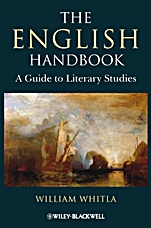
The English Handbook: A Guide to Literary Studies
ISBN 9781405183765
Autor: William Whitla
Wydawca: Wiley
Dostępność: 3-6 tygodni
Cena: 457,80 zł
Przed złożeniem zamówienia prosimy o kontakt mailowy celem potwierdzenia ceny.
ISBN13: |
9781405183765 |
ISBN10: |
1405183764 |
Autor: |
William Whitla |
Oprawa: |
Hardback |
Rok Wydania: |
2009-09-04 |
Ilość stron: |
360 |
Wymiary: |
236x161 |
Tematy: |
CS |
The English Handbook: A Guide to Literary Studies is a comprehensive new textbook providing essential practical and analytical reading and writing skills for literature students at all levels. The Handbook features coverage of all key areas, from sonnets to irony to close textual analysis. Unprecedented in bringing within one volume a combination of traditional and contemporary methods for literary analysis of fiction, drama and poetry, this is a uniquely practical reference tool. Detailed yet succinct, the book contains guidance on library and web research techniques, new technologies, and provides help in shaping essays and other assignments for different class requirements. The companion website provides further clarity and insight with helpful chapter summaries and resources for continuing study. With a perfect balance of academic rigor and essential practical information, The English Handbook is an accessible and wide–ranging manual, indispensable for all students of literature.
Preface. List of Abbreviations. PART I: Introduction. 1. What is English and What is Literature? "English" and "Literature": The Subject in Question. The Uses of Literature. Great Books and "Trash": The Canon Wars. Literary History, Periods, and Movements: Four Approaches to the Past. Critical Interpretation and Analysis. Further Reading. Web Pages of Interest. PART II: Foundational Skills. 2. Reading English: From Opening a Book to Critical Analysis. Foundational Reading Strategies: Overview and Detail. Five Intensive Methods of Reading Literature. Further Reading. Web Pages of Interest. 3. Library Research and Scholarly Method. How to Find what You Need: Old and New Methods. Research Methods and Library Classification Systems. Printed Library Resources. Research on the Web. Evaluating What You Find. Plagiarism. Documenting Your Sources. Further Reading. Web Pages of Interest. 4. Writing in English Studies. Different Kinds of Assignments: Their Objectives and Audience. Kinds of Essays. Reading the Assignment. Establishing a Logical Position. Organizing Your Argument: Computer Drafts and Thesis Statement. Building Paragraphs and Arguments. Integrating Quotations. Revising for Content, Argument, and Style. Further Reading. Web Pages of Interest. PART III The Major Genres. 5. Drama. Plays, Drama, Theater, Performance: The Varieties. of Institutional Formation. Drama, Text, and Speech. The Theater and the Play: The Shape of the Stage and the History of Drama. Dramatic Action and Structure in Relation to Genre. Character Types and the Unities. Reading Plays. Further Reading. Web Pages of Interest. 6. Prose Fiction. Definitions: Novel, Fiction, Narrative, Metafiction. History and Origins. Reading Prose Fiction. Character, Setting, and Action in Prose Fiction. Bakhtin: Monophonic and Polyphonic Novels. Narratology: From Story to Narrative Discourse. Further Reading. Web Pages of Interest. 7. Poetry. The Elements of Poetry. Reading Poems: A Prelude to Critical Analysis. Critical Analysis. Prosody: An Introduction to Versification. Scansion. Line Length, Pauses, and Continuity. Sound. Rhyme. Stanzas and Diction. Ambiguity and Irony. Four Verse Forms. Further Reading. Web Pages of Interest. PART IV: Theory. 8 Language and Literary Studies. Linguistics: The Systematic Study of Language. Rhetoric and Persuasion. Literary Stylistics. Further Reading. Web Pages of Interest. 9. Recent Critical Practice. The Analysis of Genre: What Kind of Thing is That? Formalisms. Reading the Signs: Semiotics for Students of Literature. From One Meaning to Many: Constructing and Deconstructing the Text. Further Reading. Web Pages of Interest. 10. The Politics of Reading: Gender, Class, and Ethnicity. Gender Matters. Being Class Conscious. Ethnic Difference: Reading in a Postcolonial Context. Conclusion. Further Reading. Web Pages of Interest. References. Index.
William Whitla is Professor Emeritus and Senior Scholar in English and Humanities at York University in Toronto . He has published The Central Truth (on Robert Browning, 1963), Essays and Reviews (on Victorian literature and religion, with Victor Shea, 2000), and Foundations: Critical Thinking, Reading , and Writing (also with Victor Shea, 2001 and 2005).
“It would certainly be helpful to students to have multiple copies available in their academic libraries.” ( Reference Reviews , 2012)
Koszyk
Książek w koszyku: 0 szt.
Wartość zakupów: 0,00 zł
Informacje


Kontakt
Gambit
Centrum Oprogramowania
i Szkoleń Sp. z o.o.
Al. Pokoju 29b/22-24
31-564 Kraków
Siedziba Księgarni
ul. Kordylewskiego 1
31-542 Kraków
+48 12 410 5991
+48 12 410 5987
+48 12 410 5989
Subskrypcje
Administratorem danych osobowych jest firma Gambit COiS Sp. z o.o. Na podany adres będzie wysyłany wyłącznie biuletyn informacyjny.
Autoryzacja płatności

Informacje na temat autoryzacji płatności poprzez PayU.

© Copyright 2012: GAMBIT COiS Sp. z o.o. Wszelkie prawa zastrzeżone.
Projekt i wykonanie: Alchemia Studio Reklamy