


Wydawcy
Katalog tematyczny
- Archeologia (109)
- Ekonomia, finanse, business (13704)
- Filozofia (1445)
- Historia (3040)
- Języki i językoznawstwo (2356)
- Lifestyle, hobby i rozrywka (475)
- Medycyna (9704)
- Nauki humanistyczne (4)
- Nauki o Ziemi i środowisku (2638)
- Nauki ścisłe (20412)
- Astronomia (294)
- Biologia (5119)
- Biochemia (575)
- Biologia człowieka (14)
- Biologia komórkowa (377)
- Biologia molekularna (398)
- Biologia rozwoju (130)
- Biologia, ogólnie (1277)
- Botanika (280)
- Hydrobiologia (92)
- Mikrobiologia (363)
- Mykologia (22)
- Zoologia (303)
- Chemia (6540)
- Fizyka (3309)
- Matematyka (4574)
- Nauki ścisłe, ogólnie (503)
- Nauki społeczne (8486)
- Nauki techniczne (13450)
- Prawo (1696)
- Publikacje informacyjne i interdyscyplinarne (1288)
- Religia i wierzenia (917)
- Technika komputerowa (4067)
- Zdrowie, relacje międzyludzkie i rozwój osobisty (657)





Informacje szczegółowe o książce
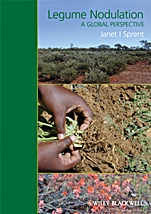
Legume Nodulation: A Global Perspective
ISBN 9781405181754
Autor: Janet I. Sprent
Wydawca: Wiley
Dostępność: 3-6 tygodni
Cena: 1 001,70 zł
Przed złożeniem zamówienia prosimy o kontakt mailowy celem potwierdzenia ceny.
ISBN13: |
9781405181754 |
ISBN10: |
1405181753 |
Autor: |
Janet I. Sprent |
Oprawa: |
Hardback |
Rok Wydania: |
2009-07-10 |
Ilość stron: |
200 |
Wymiary: |
250x179 |
Tematy: |
PS |
This important book provides a comprehensive review of our current knowledge of the world′s leguminous plants and their symbiotic bacteria. Written by Professor Janet Sprent, a world authority in the area, Legume Nodulation contains comprehensive details of the following:
An up to date review of legume taxonomy and a full list of the world′s genera
Details of how legumes are distributed throughout the world
A review of the evolution of legume nodulation
Comprehensive details of all microorganisms known to be symbiotic with legumes
Ecological and environmental aspects of legume–bacteria symbiosis
Legume Nodulation is an essential purchase for plant scientists, agronomists, ecologists and microbiologists. Libraries in all universities and research establishments where biological and agricultural sciences are studied and taught should have copies of this landmark publication.
Spis treści:
1. Nodulation in a Taxonomic Context
1.1 Caesalpinioideae
1.2 Mimosoideae
1.2.1 Acacieae
1.2.2 Ingeae
1.2.3 Mimoseae
1.3 Papilionoideae
1.3.1 Non–nodulation in the Papilionoideae
1.3.2 Nodulating papilionoids with primitive nodule structure
1.3.3 Tribes with the 50kb inversion
1.3.4 The Dalbergioid clade
1.3.5 The Mirbelioid clade
1.3.6 The Millettioid clade
1.3.7 The Robinioid clade
1.3.8 The Inverted Repeat Lacking Clade (IRLC)
2. Global Distribution of Legumes
2.1 Deserts
2.2 Savannas
2.2.1 African savannas
2.2.2 Neotropical savannas
2.2.3 Australian savannas
2.3 Seasonally dry tropical forests (succulent biome)
2.3.1 Caatinga
2.3.2 Other areas
2.4 Rainforests
2.4.1 Atlantic forest
2.4.2 Temperate rainforests
2.4.3 Tropiucal rainforrests
2.5 Temperate regions
2.5.1 Mediterraqnean ecosystems
2.5.2 Temperate, boreal and high altitude legumes
2.6 Invasive legumes
<
b>3. Evolution of Nodulation
3.1 When did nodulation first occur?
3.2 Where did nodulation first occur? Where are nodulated legumes going?
3.2.1 Madagascar as a special case
3.2.2 Recent evolution
3.3 How was the information for nodulation acquired?
3.3.1 Ancient genes that have been recruited for symbiotic purposes
3.3.2 Gene duplication
3.4 Why was nodulation necessary?
3.5 Model legumes
4. Bacteria Nodulating Legumes
4.1 α–Proteobacteria
4.4.1 Rhizobium
4.1.2 Sinorhizobium and Ensifer
4.1.3 Other members of Rhizobiaceae
4.1.4 Bradyrhizobium
4.1.5 Azorhizobium and Devosia
4.1.6 Methylobacterium
4.1.7 Ochrobactrum
4.1.8 Mesorhizobium
4.1.9 Phyllobacterium
4.2 β–Proteobacteria
4.3 Other bacterial nodule occupants
4.4 Specificity
4.5 Competition
4.6 Stability and genetic exchange
5. Development and Functioning of Nodules
5.1 Root hair infection
5.2 The role of hormones
5.3 Autoregulation
5.4 Formation of symbiosomes
Bacteroid size and shape
The role of polyβhydroxybutyrate (PHB)
5.5 Nodules lacking root hair infection
5.5.1 Dalbergioid legumes
5.5.2 Genisteae and Crotalarieae
5.5.3 The special case of Sesbania
5.6 Other variations on nodule structure
5.7 Functioning nodules. The critical role of oxygen
5.8 Nitrogen fixation and export of products
5.8.1 The hydrogen enigma
5.9 Nodule effectiveness
5.10 The bacteria within the nodules– control by the bacteria, plant or both?
5.11 Constraints on nitrogen fixation in agriculture and the environment
5.11.1 Waterlogging drought and salinity
5.11.2 Temperature
5.11.3 Edaphic factors
5.12. Legumes, pests and pathogens
6. Some Legumes for the Future?
6.1 Human food
6.1.1 Vigna spp
6.1.2 Other phaseoloid legumes
6.2 Forage legumes
6.3 Pharmaceutical uses
6.4 Other uses
Nota biograficzna:
Janet Sprent, OBE, Emeritus Professor of Plant Biology, University of Dundee, Scotland, UK
Okładka tylna:
This important book provides a comprehensive review of our current knowledge of the world′s leguminous plants and their symbiotic bacteria. Written by Professor Janet Sprent, a world authority in the area, Legume Nodulation contains comprehensive details of the following:
An up to date review of legume taxonomy and a full list of the world′s genera
Details of how legumes are distributed throughout the world
A review of the evolution of legume nodulation
Comprehensive details of all microorganisms known to be symbiotic with legumes
Ecological and environmental aspects of legume–bacteria symbiosis
Legume Nodulation is an essential purchase for plant scientists, agronomists, ecologists and microbiologists. Libraries in all universities and research establishments where biological and agricultural sciences are studied and taught should have copies of this landmark publication.
Koszyk
Książek w koszyku: 0 szt.
Wartość zakupów: 0,00 zł
Informacje


Kontakt
Gambit
Centrum Oprogramowania
i Szkoleń Sp. z o.o.
Al. Pokoju 29b/22-24
31-564 Kraków
Siedziba Księgarni
ul. Kordylewskiego 1
31-542 Kraków
+48 12 410 5991
+48 12 410 5987
+48 12 410 5989
Subskrypcje
Administratorem danych osobowych jest firma Gambit COiS Sp. z o.o. Na podany adres będzie wysyłany wyłącznie biuletyn informacyjny.
Autoryzacja płatności

Informacje na temat autoryzacji płatności poprzez PayU.

© Copyright 2012: GAMBIT COiS Sp. z o.o. Wszelkie prawa zastrzeżone.
Projekt i wykonanie: Alchemia Studio Reklamy