


Wydawcy
Katalog tematyczny
- Archeologia (109)
- Ekonomia, finanse, business (13704)
- Filozofia (1445)
- Historia (3040)
- Języki i językoznawstwo (2356)
- Lifestyle, hobby i rozrywka (475)
- Medycyna (9704)
- Nauki humanistyczne (4)
- Nauki o Ziemi i środowisku (2638)
- Nauki ścisłe (20412)
- Astronomia (294)
- Biologia (5119)
- Biochemia (575)
- Biologia człowieka (14)
- Biologia komórkowa (377)
- Biologia molekularna (398)
- Biologia rozwoju (130)
- Biologia, ogólnie (1277)
- Botanika (280)
- Hydrobiologia (92)
- Mikrobiologia (363)
- Mykologia (22)
- Zoologia (303)
- Chemia (6540)
- Fizyka (3309)
- Matematyka (4574)
- Nauki ścisłe, ogólnie (503)
- Nauki społeczne (8486)
- Nauki techniczne (13450)
- Prawo (1696)
- Publikacje informacyjne i interdyscyplinarne (1288)
- Religia i wierzenia (917)
- Technika komputerowa (4067)
- Zdrowie, relacje międzyludzkie i rozwój osobisty (657)





Informacje szczegółowe o książce
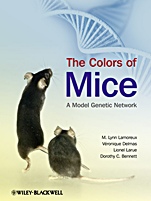
The Colors of Mice: A Model Genetic Network
ISBN 9781405179546
Autor: M. Lynn Lamoreux, Véronique Delmas, Lionel Larue, Dorothy Bennett
Wydawca: Wiley
Dostępność: 3-6 tygodni
Cena: 751,80 zł
Przed złożeniem zamówienia prosimy o kontakt mailowy celem potwierdzenia ceny.
ISBN13: |
9781405179546 |
ISBN10: |
1405179546 |
Autor: |
M. Lynn Lamoreux, Véronique Delmas, Lionel Larue, Dorothy Bennett |
Oprawa: |
Hardback |
Rok Wydania: |
2010-04-23 |
Ilość stron: |
312 |
Wymiary: |
251x194 |
Tematy: |
PS |
Serving the needs of pigment cell biologists, cellular physiologists, developmental geneticists, researchers interested in melanoma and more, this new book brings to market a blend of new technologies and new insights in the fields of both pigmentation and mouse geneticists. It will include some comparative information on other organisms as well. The book is hailed for being written by 3 of the premier scientists in the field. These authors aime to present the molecular /cellular work in the context of phenotype and the interacting functions of genes that direct the development and function of one biological system. Interactions over details that can be found on the web are stressed. Overall the pigmentary systems provides a model for the study of all systems because it is a particularly well developed model.
Spis treści:
Preface.
Acknowledgments.
Statement regarding the use of pictures.
Statement regarding nomenclature.
Part I: Introduction to the Pigmentary System.
1. Introduction to the Pigmentary System.
1.1. Introduction.
1.2. Colors of vertebrate animals.
1.3. Other pigment cells.
1.4. The epidermal melanin unit.
1.5. Mammalian hair.
1.6. Melanosome biogenesis and translocation.
1.7. Melanin.
1.8. Hair growth.
1.9. Hair growth cycles.
1.10. Embryonic development of the pigment cell lineage.
1.11. Pigment cells in culture.
1.12. Conclusion.
Appendix: color loci of the mouse.
Part II: The Pigmentary Loci.
2. Introduction to Mutant Pigmentary Genes.
2.1. Defects of normal melanocyte development: white spotting and graying with age.
2.2. Defects in normal melanosome development: albinism.
2.3. Transport of melanosomes to other cells: the ‘dilute’ phenotype.
2.4. Pigment–type switching: from eumelanogenesis to pheomelanogenesis.
3. White Spotting and Progressive Graying.
3.1. Definitions and general background .3.2. Pigment cell development: developmental biology.
3.3. Cellular signaling pathways for melanocytes.
3.4. Pigment phenotypes and the classical white–spotting genes.
3.5. The head, heart, ears, and eyes.
4. ’Albinism’ and the Failure of Normal Melanosome Development.
4.1. Background.
4.2. The melanosomal matrix.
4.3. The enzymes that catalyze melanogenesis.
4.4. Membrane proteins that regulate the internal milieu of the melanosome.
4.5. Protein processing and routing to the maturing melanosome.
4.6. Melanosome transport.
5. Pigment–Type Switching.
5.1. Introduction.
5.2. Yellow phenotypes.
5.3. Melanin pigment .
5.4. Melanogenesis and the eumelanin/pheomelanin switch mechanism.
5.5. Signaling the switch mechanism at the cellular level.
5.6. Yellow genes.
Part III: Technology and Resources.
6. Novel Mouse Pigmentary Mutants Generated by Genetic Manipulation.
6.1. Introduction.
6.2. Mouse transgenesis: generation of genetically engineered mice.
6.3. Coat–color transgenic mice.
6.4. The coat–color mutants generated by gene targeting.
6.5. Influence of the genetic background.
6.6. Conclusions.
7. Other Species and Other Resources.
7.1. Introduction.
7.2. Resources.
7.3. Other species.
References.
Index.
Nota biograficzna:
Associated with our Pigment Cell Journal, the authors are of the highest stature in their fields. Lynn Lamoreux is a mouse geneticist well known for her work in pigment system. Dorothy Bennett is an expert on growth and biology of melanocytes while Dr. Larue is an expert on melanoma. together they are some of the most respected researchers in pigment cell biology
Okładka tylna:
Serving the needs of pigment cell biologists, cellular physiologists, developmental geneticists, researchers interested in melanoma and more, this new book brings to
market a blend of new technologies and new insights in the fields of both pigmentation and mouse geneticists. It will include some comparative information on other organisms as well. The book is hailed for being written by 3 of the premier scientists in the field. These authors aime to present the molecular /cellular work in the context of phenotype and the interacting functions of genes that direct the development and function of one biological system. Interactions over details that can be found on the web are stressed. Overall the pigmentary systems provides a model for the study of all systems because it is a particularly well developed model.
Koszyk
Książek w koszyku: 0 szt.
Wartość zakupów: 0,00 zł
Informacje


Kontakt
Gambit
Centrum Oprogramowania
i Szkoleń Sp. z o.o.
Al. Pokoju 29b/22-24
31-564 Kraków
Siedziba Księgarni
ul. Kordylewskiego 1
31-542 Kraków
+48 12 410 5991
+48 12 410 5987
+48 12 410 5989
Subskrypcje
Administratorem danych osobowych jest firma Gambit COiS Sp. z o.o. Na podany adres będzie wysyłany wyłącznie biuletyn informacyjny.
Autoryzacja płatności

Informacje na temat autoryzacji płatności poprzez PayU.

© Copyright 2012: GAMBIT COiS Sp. z o.o. Wszelkie prawa zastrzeżone.
Projekt i wykonanie: Alchemia Studio Reklamy