


Wydawcy
Katalog tematyczny
- Archeologia (109)
- Ekonomia, finanse, business (13704)
- Filozofia (1445)
- Historia (3040)
- Języki i językoznawstwo (2356)
- Lifestyle, hobby i rozrywka (475)
- Medycyna (9704)
- Nauki humanistyczne (4)
- Nauki o Ziemi i środowisku (2638)
- Nauki ścisłe (20412)
- Nauki społeczne (8486)
- Edukacja (229)
- Kryminologia, opieka spełeczna (284)
- Obronność (10)
- Polityka (1389)
- Psychologia (777)
- Socjologia (410)
- Społeczeństwo i kultura (187)
- Nauki techniczne (13450)
- Prawo (1696)
- Publikacje informacyjne i interdyscyplinarne (1288)
- Religia i wierzenia (917)
- Technika komputerowa (4067)
- Zdrowie, relacje międzyludzkie i rozwój osobisty (657)





Informacje szczegółowe o książce
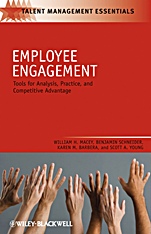
Employee Engagement: Tools for Analysis, Practice, and Competitive Advantage
ISBN 9781405179027
Autor: William H. Macey, Benjamin Schneider, Karen M. Barbera, Scott A. Young
Wydawca: Wiley
Dostępność: 3-6 tygodni
Cena: 184,80 zł
Przed złożeniem zamówienia prosimy o kontakt mailowy celem potwierdzenia ceny.
ISBN13: |
9781405179027 |
ISBN10: |
1405179023 |
Autor: |
William H. Macey, Benjamin Schneider, Karen M. Barbera, Scott A. Young |
Oprawa: |
Paperback |
Rok Wydania: |
2009-05-08 |
Ilość stron: |
224 |
Wymiary: |
216x140 |
Tematy: |
JC |
“Employee engagement” has been a buzz word in the human resources community for several years, but there remains an urgent need for scientifically–grounded advice for HR consultants and practitioners as to how to measure and increase it. This book fills this gap by defining precisely what “employee engagement” means and identifying its primary drivers. Providing practical advice, tools, and case examples, this book translates best practices, ideas, and concepts into concrete and practical steps that will change the level of engagement in any organization.
Spis treści:
Series Editor’s Preface
Preface
Acknowledgments
1. Engaging Engagement
How Engagement Makes a Difference and What Engagement Is
The Business Case for Employee Engagement
Engagement as Psychic Energy: On the Inside
Engagement as Behavioral Energy: How Engagement Looks to Others
How an Engaged Workforce Creates Positive Financial Consequences for Organizations
On High Performance Work Environments: Four Principles for Creating an Engaged Workforce
The Capacity to Engage
The Motivation to Engage
The Freedom to Engage
The Focus of Strategic Engagement
Engagement and Discretionary Effort
Interaction of Cause and Effect
The Remainder of the Book
2. The “Feel and Look” of Employee Engagement
The Feel of Engagement
Urgency
Focus
Intensity
Enthusiasm
Cross–Cultural Issues in Describing the Feelings of Engagement
Summary: The Feel of Engagement
The Look of Engagement: Employee Behavior
Persistence
Proactivity
Role Expansion
Adaptability
Summary: The Look of Engagement
Strategically Aligned Engagement Behavior
On Commitment, Alignment, and Internalization
What About Employee Satisfaction?
Where Does This Take Us?
3. The Key to an Engaged Workforce: An Engagement Culture
What is Organizational Culture?
C
reating a Culture for Engagement: How People are Valued in Organizations
The Central Role of a Culture of Trust in Employee Engagement
Trust in Senior Leadership, Trust in Management, and Trust in the System
The Role of Fairness in a Culture of Engagement
Culture Emergence
Learning the Culture
Do the People or the Environment Make the Culture?
The Role of the Work Itself in a Culture of Engagement
The Role of Monetary Incentives in a Culture of Engagement
Does Organizational Success Impact Employee Engagement?
The Role of Culture in Creating Strategic Employee Engagement
How Culture Supports Alignment
Summary
4. Phase 1 of Creating and Executing an Engagement Campaign: Diagnostics and the Engagement Survey
Pre–Survey Diagnostic Activities
Step 1: Conduct the Background Check and Acquire the “Language”
Step 2: Engage Leadership to Define Strategic Engagement and the Supporting Culture
Step 3: Craft the Engagement Messaging
The Engagement Survey
Writing Questions that Focus on the Feelings of Engagement
Writing Questions that Focus on Behavioral Engagement
Writing Generic Behavioral Engagement Survey Questions
Writing Questions that Focus on Creating the Employee Capacity to Engage
Writing Questions that Focus on Whether People Have a Reason to Engage
Writing Questions that Focus on Whether People Feel “Free” to Engage
Summary
5. Phase 2 of Creating and Executing an Engagement Campaign: Action Planning and Intervention
Survey Results Interpretation
Benchmarks
Survey Results Feedback
Feedback at the Executive Level
Feedback at the Managerial Level
Communicating Survey Results Company–Wide
Summary
Preparing the Organization for Taking Action
Commitment for Action
Resources and Tools That Facilitate Action Planning and Change
Variants on the Action Planning Model
How Much Measurable Change is Possible?
Act
ual Changes That Build and Maintain Engagement
Interventions that Build Confidence and Resiliency
Interventions that Enhance Social Support Networks
Interventions that Renew or Restore Employee Energy
Interventions that Enhance the Motivation to Engage
Interventions that Enhance the Freedom to Engage
Interventions Focused on Process Fairness
Interventions Focused on Outcome Fairness
Interventions Focused on Interactional Fairness
Leadership Behavior and Engagement
Summary
6. Burnout and Disengagement: The Dark Side of Engagement
Disengagement: Early Unmet Expectations at Work
The Nature and Trajectory of Burnout
The Components of Burnout
The Trajectory of Burnout
Is Burnout Inevitable?
Effective Coping With Burnout
Social Support
Autonomy and Job Control
Burnout, Workaholism, and Engagement: Resolution of the Paradox
Job Creep and the Erosion of Trust
Additional Stress Factors and Disengagement
Remedies and Interventions
The Need for Recovery
Other Interventions
Resistance to Change and Engagement: Another Dark Side of Engagement
How Should Engagement Initiatives be Communicated?
Conclusion
7. Talking Points: Introducing or Rethinking Engagement in Your Organization
Notes
Subject Index
Author and Name Index
Nota biograficzna:
William H. Macey is CEO of Valtera and has thirty years of experience consulting with organizations to design and implement survey research programs.
Benjamin Schneider is Senior Research Fellow at Valtera and Professor Emeritus of the University of Maryland.
Karen M. Barbera is a Managing Principal at Valtera Corporation, responsible for overseeing the practice group focused on employee engagement surveys and organizational diagnostics.
Scott A. Young is a Managing Consultant at Valtera Corporation, where he consults with the firm’s organizational survey clients on content de
velopment and measurement, reporting and interpretation of results, research, and action planning.
Series Editor:
Steven G. Rogelberg, Ph.D., is Professor and Director of Organizational Science, at the University of North Carolina Charlotte. He is a prolific and nationally recognized scholar. Besides his academic work, he founded and/or led three successful talent management consulting organizations/units.
Okładka tylna:
“Employee engagement” has been a buzz word in the human resources community for several years, but there remains an urgent need for scientifically–grounded advice for HR consultants and practitioners as to how to measure and increase it. This book fills this gap by defining precisely what “employee engagement” means and identifying its primary drivers. Providing practical advice, tools, and case examples, this book translates best practices, ideas, and concepts into concrete and practical steps that will change the level of engagement in any organization.
Koszyk
Książek w koszyku: 0 szt.
Wartość zakupów: 0,00 zł
Informacje


Kontakt
Gambit
Centrum Oprogramowania
i Szkoleń Sp. z o.o.
Al. Pokoju 29b/22-24
31-564 Kraków
Siedziba Księgarni
ul. Kordylewskiego 1
31-542 Kraków
+48 12 410 5991
+48 12 410 5987
+48 12 410 5989
Subskrypcje
Administratorem danych osobowych jest firma Gambit COiS Sp. z o.o. Na podany adres będzie wysyłany wyłącznie biuletyn informacyjny.
Autoryzacja płatności

Informacje na temat autoryzacji płatności poprzez PayU.

© Copyright 2012: GAMBIT COiS Sp. z o.o. Wszelkie prawa zastrzeżone.
Projekt i wykonanie: Alchemia Studio Reklamy