


Wydawcy
Katalog tematyczny
- Archeologia (109)
- Ekonomia, finanse, business (13704)
- Filozofia (1445)
- Historia (3040)
- Języki i językoznawstwo (2356)
- Lifestyle, hobby i rozrywka (475)
- Medycyna (9704)
- Nauki humanistyczne (4)
- Nauki o Ziemi i środowisku (2638)
- Nauki ścisłe (20412)
- Astronomia (294)
- Biologia (5119)
- Biochemia (575)
- Biologia człowieka (14)
- Biologia komórkowa (377)
- Biologia molekularna (398)
- Biologia rozwoju (130)
- Biologia, ogólnie (1277)
- Botanika (280)
- Hydrobiologia (92)
- Mikrobiologia (363)
- Mykologia (22)
- Zoologia (303)
- Chemia (6540)
- Fizyka (3309)
- Matematyka (4574)
- Nauki ścisłe, ogólnie (503)
- Nauki społeczne (8486)
- Nauki techniczne (13450)
- Prawo (1696)
- Publikacje informacyjne i interdyscyplinarne (1288)
- Religia i wierzenia (917)
- Technika komputerowa (4067)
- Zdrowie, relacje międzyludzkie i rozwój osobisty (657)





Informacje szczegółowe o książce
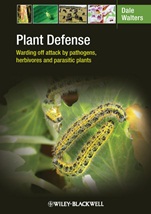
Plant Defense: Warding off attack by pathogens, herbivores and parasitic plants
ISBN 9781405175890
Autor: Dale Walters
Wydawca: Wiley
Dostępność: 3-6 tygodni
Cena: 353,85 zł
Przed złożeniem zamówienia prosimy o kontakt mailowy celem potwierdzenia ceny.
ISBN13: |
9781405175890 |
ISBN10: |
1405175893 |
Autor: |
Dale Walters |
Oprawa: |
Paperback |
Rok Wydania: |
2010-10-01 |
Ilość stron: |
248 |
Wymiary: |
248x170 |
Tematy: |
PS |
Plants are sources of nourishment for thousands of different species of fungi, bacteria, invertebrates, vertebrates and even other plants. In order to thrive, plants possess a remarkable diversity of mechanisms to fend off attacks: recent research has demonstrated many complex and sophisticated defense mechanisms including internal signalling networks co–ordinating defense responses within the plant , and even the ability to warn neighbouring plants. The ability of plants to defend themselves is important for plants in their natural environment and of course for plants under cultivation. Indeed, man has made use of an increasing knowledge of plant defenses over the years to breed crop plants able to resist pest or pathogen attack.
Plant Defense provides an overview of all major aspects of plant defense, including defense against pathogens, parasites, and invertebrate and vertebrate herbivores. The book looks at defense mechanisms incuding structural and chemical defenses, and constitutive and inducible defenses. Coverage includes details of how plants ′sense′ attack and how this is communicated within the plant and also to neighbouring plants, how plants coordinate defense responses to simultaneous multiple attacks, and the energy and resources expended by a plant in maintaining and implementing its defense systems. A final section of the book covers the breeding and modification of plants to enhance their defense systems.
This important book, wriiten by Professor Dale Walters, well known and respected internationally, is essential reading for students studying plant pathology, agricultural and plant sciences and ecology. Researchers in these subjects and all those involved in crop protection, including workers in the agrochemical industry, will find much of commercial and research interest within this exciting title. Libraries in all universities and research establishements where thes subjects are studied and taught will need copie
s of this book on their shelves.
Spis treści:
Preface.
1. Introduction – why do plants need defences?.
Plants as food sources for pathogens, parasites, invertebrate and vertebrate herbivores and parasitic plants; impact of infection and herbivory on plant fitness in natural environments and plant growth and yield in agricultural/horticultural situations; economic and ecological impact of infection and herbivory..
2. What defences do plants use?.
Defence mechanisms used by plants against pathogens, invertebrate and vertebrate herbivores and parasitic plants; structural and chemical defences; constitutive and inducible defences..
3. Sounding the alarm: signalling and communication in plant defence.
How do plants ‘sense’ attack by pathogens and pests i.e. initial encounters on the plant surface; signalling processes locally (within the attacked tissue) and systemically (in other parts of the plant); plant to plant communication during attack – signals used to alert neighbouring plants..
4. Plant defence in the real world: multiple attackers and beneficial interactions.
Co–ordinating plant defence responses to simultaneous, multiple attack e.g. by pathogens and pests; cross–talk in plant defence; trade–offs associated with plant defence I – e.g. effects of triggering pathogen defence on defence against insects; trade–offs associated with plant defence II– impact on beneficial interactions e.g. mycorrhizas, nitrogen fixing symbioses..
5. The cost of plant defence.
What does defence cost the plant in terms of energy and resources; allocation costs; theories of plant defence; evolution of plant defences – constitutive vs induced; effects of environment and crop ecology on the expression of plant defences..
6. Exploiting plant defence.
Use of varieties of plants bred for pathogen and/or pest resista
nce; transgenic plants modified with respect to plant defence; induced resistance for protecting crops against pests and diseases..
.
In the various chapters, ‘boxed readings’ will be used to highlight and discuss new developments and controversial issues in plant defence. Suggested further reading at the end of each chapter will allow students to delve more deeply into the material covered in the chapter and the issues discussed in ‘boxed readings’..
Index
Nota biograficzna:
Dale Walters is based at Crop & Soil Systems Research Group, Scottish Agricultural College, Edinburgh, U. K
Okładka tylna:
Plants are sources of nourishment for thousands of different species of fungi, bacteria, invertebrates, vertebrates and even other plants. In order to thrive, plants possess a remarkable diversity of mechanisms to fend off attacks: recent research has demonstrated many complex and sophisticated defense mechanisms including internal signalling networks co–ordinating defense responses within the plant , and even the ability to warn neighbouring plants. The ability of plants to defend themselves is important for plants in their natural environment and of course for plants under cultivation. Indeed, man has made use of an increasing knowledge of plant defenses over the years to breed crop plants able to resist pest or pathogen attack.
Plant Defense provides an overview of all major aspects of plant defense, including defense against pathogens, parasites, and invertebrate and vertebrate herbivores. The book looks at defense mechanisms incuding structural and chemical defenses, and constitutive and inducible defenses. Coverage includes details of how plants ′sense′ attack and how this is communicated within the plant and also to neighbouring plants, how plants coordinate defense responses to simultaneous multiple attacks, and the energy and resources expended by a
plant in maintaining and implementing its defense systems. A final section of the book covers the breeding and modification of plants to enhance their defense systems.
This important book, wriiten by Professor Dale Walters, well known and respected internationally, is essential reading for students studying plant pathology, agricultural and plant sciences and ecology. Researchers in these subjects and all those involved in crop protection, including workers in the agrochemical industry, will find much of commercial and research interest within this exciting title. Libraries in all universities and research establishements where thes subjects are studied and taught will need copies of this book on their shelves.
Koszyk
Książek w koszyku: 0 szt.
Wartość zakupów: 0,00 zł
Informacje


Kontakt
Gambit
Centrum Oprogramowania
i Szkoleń Sp. z o.o.
Al. Pokoju 29b/22-24
31-564 Kraków
Siedziba Księgarni
ul. Kordylewskiego 1
31-542 Kraków
+48 12 410 5991
+48 12 410 5987
+48 12 410 5989
Subskrypcje
Administratorem danych osobowych jest firma Gambit COiS Sp. z o.o. Na podany adres będzie wysyłany wyłącznie biuletyn informacyjny.
Autoryzacja płatności

Informacje na temat autoryzacji płatności poprzez PayU.

© Copyright 2012: GAMBIT COiS Sp. z o.o. Wszelkie prawa zastrzeżone.
Projekt i wykonanie: Alchemia Studio Reklamy