


Wydawcy
Katalog tematyczny
- Archeologia (109)
- Ekonomia, finanse, business (13704)
- Filozofia (1445)
- Historia (3040)
- Języki i językoznawstwo (2356)
- Lifestyle, hobby i rozrywka (475)
- Medycyna (9704)
- Nauki humanistyczne (4)
- Nauki o Ziemi i środowisku (2638)
- Nauki ścisłe (20412)
- Astronomia (294)
- Biologia (5119)
- Chemia (6540)
- Chemia analityczna (361)
- Chemia fizyczna (346)
- Chemia nieorganiczna (137)
- Chemia organiczna (535)
- Krystalografia (27)
- Minerologia (46)
- Fizyka (3309)
- Matematyka (4574)
- Nauki ścisłe, ogólnie (503)
- Nauki społeczne (8486)
- Nauki techniczne (13450)
- Prawo (1696)
- Publikacje informacyjne i interdyscyplinarne (1288)
- Religia i wierzenia (917)
- Technika komputerowa (4067)
- Zdrowie, relacje międzyludzkie i rozwój osobisty (657)





Informacje szczegółowe o książce
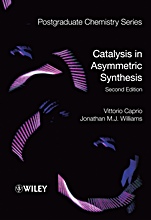
Catalysis in Asymmetric Synthesis
ISBN 9781405175197
Autor: Vittorio Caprio, Jonathan M. J. Williams
Wydawca: Wiley
Dostępność: 3-6 tygodni
Cena: 330,75 zł
Przed złożeniem zamówienia prosimy o kontakt mailowy celem potwierdzenia ceny.
ISBN13: |
9781405175197 |
ISBN10: |
1405175192 |
Autor: |
Vittorio Caprio, Jonathan M. J. Williams |
Oprawa: |
Paperback |
Rok Wydania: |
2009-01-02 |
Numer Wydania: |
2nd Edition |
Ilość stron: |
408 |
Wymiary: |
227x154 |
Tematy: |
PN |
Controlling the stereochemical outcome of reactions in the synthesis of complex natural products or bioactive materials represents a considerable intellectual and practical challenge for chemists. The stereochemical features of these products are usually essential to their bioactivity, so asymmetric synthesis has become a dominant feature of modern organic chemistry. Asymmetric catalysis is an important aspect of asymmetric synthesis, and one that has seen significant progress in the development of widely applicable methodology. This book is written from the point of view of the synthetic organic chemist, illustrating the transformations that can be achieved via this methodology, rather than the organometallic chemistry that lies behind. The emphasis is on non–enzymatic methods of asymmetric catalysis, although key references to enzyme–catalysed reactions have been incorporated where appropriate.
The book is extensively referenced and therefore provides a convenient point of entry to the primary literature for both experienced synthetic organic chemists and advanced students alike.
Spis treści:
Preface to the Second Edition.
Preface to the First Edition.
1 Introduction.
1.1 Reactions Amenable to Asymmetric Catalysis.
1.2 Assignment of (R) and (S) Stereochemical Descriptors.
Futher Reading.
References.
2 Reduction of Alkenes.
2.1 Asymmetric Hydrogenation with Rhodium Complexes.
2.2 Asymmetric Hydrogenation with Ruthenium Catalysts.
2.3 Alkene Hydrogenation with Titanium and Zirconium Catalysts.
2.4 Alkene Hydrogenation with Iridium Catalysts.
2.5 Alkene Hydrogenation with Organocatalysts.
2.6 Alkene Hydrosilylation.
2.7 Alkene Hydroboration.
2.8 Hydroamination.
2.9 Hydroformylation.
2.10 Hydroacylation of Alkenes.
2.11 Hydrocyanation of Alkenes.
References.
3 Reduction of Ketones and Imines.
3.1 Hydrogenation of Ketones.
3.2 Hydrogenation and T
ransfer Hydrogenation of Imines and Related Compounds.
3.3 Transfer Hydrogenation of Ketones.
3.4 Heterogeneous Hydrogenation.
3.5 Reduction of Ketones Using Enantioselective Borohydride Reagents.
3.6 Hydrosilylation of Ketones.
3.7 Hydrosilylation of Imines and Nitrones.
References.
4 Epoxidation.
4.1 Epoxidation of Allylic Alcohols.
4.2 Epoxidation with Metal(salen) Complexes.
4.3 Epoxidation Using Metal–Porphyrin–Based Catalysts.
4.4 OtherMetal–Catalysed Epoxidations of Unfunctionalised Olefins.
4.5 Epoxidation of Electron–Deficient Alkenes.
4.6 Epoxidation with Iminium Salts.
4.7 Epoxidation with Ketone Catalysts.
4.8 Epoxidation of Aldehydes.
4.9 Aziridination of Alkenes.
4.10 Aziridination of Imines.
References.
5 Further Oxidation Reactions.
5.1 Dihydroxylation.
5.2 Aminohydroxylation.
5.3 α–Heterofunctionalisation of Aldehydes and Ketones.
5.4 Oxidation of C–H.
5.5 Baeyer–Villiger Oxidation.
5.6 Oxidation of Sulfides.
References.
6 Nucleophilic Addition to Carbonyl Compounds.
6.1 Addition of Organozincs to Carbonyl Compounds.
6.2 Addition of Cyanide to Aldehydes and Ketones.
6.3 Allylation of Aldehydes.
6.4 Hydrophosphonylation of Aldehydes.
6.5 Nucleophilic Additions to Imines.
References.
7 The Aldol and Related Reactions.
7.1 The Aldol Reaction.
7.2 Isocyanide and Related Aldol Reactions.
7.3 The Nitroaldol Reaction.
7.4 Addition of Enolates to Imines.
7.5 Darzens Condensation.
7.6 Morita–Baylis–Hillman Reaction.
7.7 Carbonyl–Ene Reactions.
References.
8 Cycloadditions.
8.1 Diels–Alder Reactions.
8.2 Inverse Electron Demand Diels–Alder Reactions.
8.3 Hetero–Diels–Alder Reactions.
8.4 1,3–Dipolar Cycloaddition Reactions.
8.5 [2+2] Cycloadditions.
8.6 Pauson–Khand–Type Rea
ctions.
References.
9 Catalytic Reactions Involving Carbenes and Ylides.
9.1 Cyclopropanation.
9.2 Insertion Reactions.
9.3 Asymmetric Ylide Reactions.
References.
10 Catalytic Carbon–Carbon Bond–Forming Reactions.
10.1 Cross–Coupling Reactions.
10.2 Metal–Catalysed Allylic Substitution.
10.3 Heck Reactions.
10.4 Alkylmetalation of Alkenes.
References.
11 Conjugate Addition Reactions.
11.1 Conjugate Addition of Enolates.
11.2 Conjugate Addition of Sulfur Nucleophiles.
11.3 Conjugate Addition of Nonstabilised Nucleophiles.
11.4 Conjugate Addition with Nitrogen–Based Nucleophiles and Electrophiles.
References.
12 Further Catalytic Reactions.
12.1 Isomerisations and Rearrangements.
12.2 Deprotonation Reactions.
12.3 Protonation Reactions.
12.4 Alkylation and Allylation of Enolates.
12.5 Formation of Alkenes.
12.6 Oxyselenylation–Elimination Reactions.
12.7 The Benzoin Condensation.
12.8 Ester Formation and Hydrolysis.
12.9 Ring–Opening of Epoxides.
References.
Index.
Nota biograficzna:
Dr Vittorio Caprio is Lecturer in Organic and Medicinal Chemistry in the Department of Chemistry, University of Auckland, Auckland, New Zealand
Okładka tylna:
Controlling the stereochemical outcome of reactions in the synthesis of complex natural products or bioactive materials represents a considerable intellectual and practical challenge for chemists. The stereochemical features of these products are usually essential to their bioactivity, so asymmetric synthesis has become a dominant feature of modern organic chemistry. Asymmetric catalysis is an important aspect of asymmetric synthesis, and one that has seen significant progress in the development of widely applicable methodology. This book is written from the point of view of the synthetic organic chemist, illustrating the transf
ormations that can be achieved via this methodology, rather than the organometallic chemistry that lies behind. The emphasis is on non–enzymatic methods of asymmetric catalysis, although key references to enzyme–catalysed reactions have been incorporated where appropriate.
The book is extensively referenced and therefore provides a convenient point of entry to the primary literature for both experienced synthetic organic chemists and advanced students alike.
Koszyk
Książek w koszyku: 0 szt.
Wartość zakupów: 0,00 zł
Informacje


Kontakt
Gambit
Centrum Oprogramowania
i Szkoleń Sp. z o.o.
Al. Pokoju 29b/22-24
31-564 Kraków
Siedziba Księgarni
ul. Kordylewskiego 1
31-542 Kraków
+48 12 410 5991
+48 12 410 5987
+48 12 410 5989
Subskrypcje
Administratorem danych osobowych jest firma Gambit COiS Sp. z o.o. Na podany adres będzie wysyłany wyłącznie biuletyn informacyjny.
Autoryzacja płatności

Informacje na temat autoryzacji płatności poprzez PayU.

© Copyright 2012: GAMBIT COiS Sp. z o.o. Wszelkie prawa zastrzeżone.
Projekt i wykonanie: Alchemia Studio Reklamy