


Wydawcy
Katalog tematyczny
- Archeologia (109)
- Ekonomia, finanse, business (13704)
- Filozofia (1445)
- Historia (3040)
- Języki i językoznawstwo (2356)
- Lifestyle, hobby i rozrywka (475)
- Medycyna (9704)
- Chirurgia (272)
- Inne gałęzie medycyny (1871)
- Medycyna kliniczna (4187)
- Medycyna niekonwencjonalna (14)
- Medycyna przedkliniczna (269)
- Medycyna, ogólnie (1740)
- Historia medycyny (3)
- Lekarze, sprawy zawodowe (8)
- Medycyna, aspekty prawne (10)
- Służba zdrowia (36)
- Wyposażenie medyczne (157)
- Zdrowie publiczne (460)
- Medyczne służby pomocnicze (745)
- Studia medyczne (16)
- Weterynaria (548)
- Nauki humanistyczne (4)
- Nauki o Ziemi i środowisku (2638)
- Nauki ścisłe (20412)
- Nauki społeczne (8486)
- Nauki techniczne (13450)
- Prawo (1696)
- Publikacje informacyjne i interdyscyplinarne (1288)
- Religia i wierzenia (917)
- Technika komputerowa (4067)
- Zdrowie, relacje międzyludzkie i rozwój osobisty (657)






Informacje szczegółowe o książce
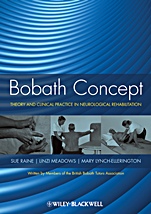
Bobath Concept: Theory and Clinical Practice in Neurological Rehabilitation
ISBN 9781405170413
Autor: Sue Raine, Linzi Meadows, Mary Lynch–Ellerington
Wydawca: Wiley
Dostępność: 3-6 tygodni
Cena: 360,15 zł
Przed złożeniem zamówienia prosimy o kontakt mailowy celem potwierdzenia ceny.
ISBN13: |
9781405170413 |
ISBN10: |
1405170417 |
Autor: |
Sue Raine, Linzi Meadows, Mary Lynch–Ellerington |
Oprawa: |
Paperback |
Rok Wydania: |
2009-06-26 |
Ilość stron: |
232 |
Wymiary: |
244x170 |
Tematy: |
MB |
Authored by members of the British Bobath Tutors Association, Bobath Concept: Theory and Clinical Practice in Neurological Rehabilitationis a practical illustrated guide that offers a detailed exploration of the theoretical underpinning and clinical interventions of the Bobath Concept.
The evolution of the Bobath concept is brilliantly captured in this volume. The recognition that the best inhibition may come from engaging the patient in normal activities is an example of the way one of the notions central to the original Bobath Concept has developed. In short, the Bobath Concept lies at the heart of an approach to neurorehabilitation that is ready to take advantage of the rapidly advancing understanding, coming from neuroscience, of brain function in, in particular, of the effects of and responses to damage, and the factors that may drive recovery. It is no coincidence that neuroplasticity figures so prominently in the pages that follow.’
Emeritus Professor Raymond Tallis BM BCh BA FRCP FMedSci LittD DLitt FRSA
This book guides the reader through general principles to more specific application of neurophysiological principles and movement re–education in the recovery of important areas, including moving between sitting and standing, locomotion and recovery of upper limb function.
Bobath Concept: Theory and Clinical Practice in Neurological Rehabilitationwill be invaluable to undergraduate and qualified physiotherapists /occupational therapists and all professionals working in neurological rehabilitation.Covers the theoretical underpinning of the Bobath Concept.Presents a holistic, 24–hour approach to functional recovery.Focuses on efficient movement and motor learning, to maximise function.Forges links between theory and clinical practice.Illustrated throughout.
Spis treści:
Foreword
Prefacei
Contributors
Acknowledgements
1. The Bobath Concept:
Developments and Current Theoretical Underpinning (Sue Raine)
Introduction
The founders and development of the Bobath Concept
Current theory underpinning the Bobath Concept
Systems approach to motor control
Clinical application of the theory underpinning the Bobath Concept
Summary
References
2. An Understanding of Functional Movement as a Basis for Clinical Reasoning (Linzi Meadows and Jenny Williams)
Introduction
Normal movement versus efficient movement
Compensatory strategies
Motor control and motor learning
Requirements of efficient movement
Summary
References
3. Assessment and Clinical Reasoning in the Bobath Concept (Paul Johnson)
Introduction
Models of clinical reasoning and the Bobath Concept
Key characteristics of assessment using the Bobath Concept
Basis for clinical reasoning
Illustrating clinical reasoning using the Bobath Concept
Summary
References
4. Practice Evaluation (Helen Lindfi eld and Debbie Strang)
Introduction
Evaluation in the context of the International Classifi cation of Function,
Disability and Health
Factors influencing measurement selection
Measurement properties
Measures
Summary
References
5. Moving Between Sitting and Standing (Lynne Fletcher, Catherine Cornall and Sue Armstrong)
Introduction
Clinical considerations from the literature
Phases of sit to stand
Movements from standing to sitting
Effects of ageing
Sit to walk
Clinical aspects
Movement in functional contexts
Clinical example
References
6. The Control of Locomotion (Ann Holland and Mary Lynch–Ellerington)
Introduction
Key aspects of bipedalism
The gait cycle
Use of body weight support treadmill training in the Bobath Concept
Assistive devices
Outcome measures
Summary
References
7. Recovery of Upper Limb Function (Janice Champion, Chris Barber and Mary Lynch–Ell
erington)
Introduction
The importance of postural control in upper limb function
The shoulder complex
Functional reach
The hand
Early treatment and management of the hand
Assessment of the hand
Contactual hand–orientating response
Selective strength training of the intrinsic muscles of the hand
Summary
References
8. Exploring Partnerships in the Rehabilitation Setting: The 24–Hour Approach of the Bobath Concept (Clare Fraser)
Partnerships in the rehabilitation environment
The early days
Overcoming sensory deprivation and stimulating body schema
Scheduling the day – opportunities for practice
Return to work
Summary
References
Index
Nota biograficzna:
Sue Raine is Clinical Lead Physiotherapist at Walkergate Park for Neurorehabilitation and Neuropsychiatry, in Newcastle–upon–Tyne, and an experienced Bobath Tutor.
Linzi Meadows is Clinical Director of the Manchester Neurotherapy Centre and Neurological Teaching Centre, as well as an Advanced Bobath Tutor.
Mary Lynch–Ellerington F.C.S.P is Fellow of the Chartered Society of Physiotherapy and a Senior Bobath Instructor.
Okładka tylna:
Authored by members of the British Bobath Tutors Association, Bobath Concept: Theory and Clinical Practice in Neurological Rehabilitationis a practical illustrated guide that offers a detailed exploration of the theoretical underpinning and clinical interventions of the Bobath Concept.
The evolution of the Bobath concept is brilliantly captured in this volume. The recognition that the best inhibition may come from engaging the patient in normal activities is an example of the way one of the notions central to the original Bobath Concept has developed. In short, the Bobath Concept lies at the heart of an approach to neurorehabilitation that is ready to take advantage of the rapidly advancing understanding, coming f
rom neuroscience, of brain function in, in particular, of the effects of and responses to damage, and the factors that may drive recovery. It is no coincidence that neuroplasticity figures so prominently in the pages that follow.’
Emeritus Professor Raymond Tallis BM BCh BA FRCP FMedSci LittD DLitt FRSA
This book guides the reader through general principles to more specific application of neurophysiological principles and movement re–education in the recovery of important areas, including moving between sitting and standing, locomotion and recovery of upper limb function.
Bobath Concept: Theory and Clinical Practice in Neurological Rehabilitationwill be invaluable to undergraduate and qualified physiotherapists /occupational therapists and all professionals working in neurological rehabilitation.Covers the theoretical underpinning of the Bobath Concept.Presents a holistic, 24–hour approach to functional recovery.Focuses on efficient movement and motor learning, to maximise function.Forges links between theory and clinical practice.Illustrated throughout.
Koszyk
Książek w koszyku: 0 szt.
Wartość zakupów: 0,00 zł
Informacje


Kontakt
Gambit
Centrum Oprogramowania
i Szkoleń Sp. z o.o.
Al. Pokoju 29b/22-24
31-564 Kraków
Siedziba Księgarni
ul. Kordylewskiego 1
31-542 Kraków
+48 12 410 5991
+48 12 410 5987
+48 12 410 5989
Subskrypcje
Administratorem danych osobowych jest firma Gambit COiS Sp. z o.o. Na podany adres będzie wysyłany wyłącznie biuletyn informacyjny.
Autoryzacja płatności

Informacje na temat autoryzacji płatności poprzez PayU.

© Copyright 2012: GAMBIT COiS Sp. z o.o. Wszelkie prawa zastrzeżone.
Projekt i wykonanie: Alchemia Studio Reklamy